
Author: AsimAli

what is slot online mechanics guide for beginners?what is slot online mechanics guide for beginners?

0 Comment

If you are new to online gaming, understanding how slot machines work can feel confusing at first. Many beginners jump in without knowing the basics, which can lead to frustration and losses.

This guide is designed to help you clearly understand the mechanics of online slots in a simple and easy way. Whether you are exploring platforms like teslatoto or just curious about how these games function, this guide will walk you through everything step by step teslatoto.

Online slots are not just about spinning reels and hoping for luck. There is a system behind every spin. When you understand the mechanics, you can play smarter and enjoy the experience more. Platforms such as teslatoto offer a variety of slot games, and knowing how they work will help you choose the right ones.


What Are Online Slots?

Online slots are digital versions of traditional slot machines found in casinos. Instead of pulling a lever, you simply click a button to spin the reels. The goal is to match symbols across paylines to win rewards.

In modern platforms like teslatoto, slot games come with advanced graphics, themes, and bonus features. These games are designed to be entertaining while also offering chances to win money.


How Slot Machines Work

At the core of every slot machine is something called a Random Number Generator (RNG). This system ensures that every spin is completely random.

When you play on teslatoto, the RNG is constantly generating numbers even when you are not spinning. The moment you press the spin button, the system selects a number that determines the outcome.

This means:

  • Every spin is independent
  • There is no pattern or cycle
  • Past results do not affect future spins

Understanding this is important because many beginners believe they can predict outcomes, which is not true.


Understanding Reels and Paylines

Reels are the vertical columns that spin when you play. Most online slots have 3 to 5 reels, but some modern games have more.

Paylines are the patterns across the reels where matching symbols create a win. In teslatoto games, paylines can be straight, diagonal, or even zigzag.

For example:

  • A simple slot may have 5 paylines
  • Advanced slots can have 50 or more paylines

The more paylines you activate, the higher your chances of winning, but also the higher your bet.


Symbols in Slot Games

Each slot game has different symbols. These symbols determine your winnings.

Common types include:

Regular Symbols

These are basic symbols that give payouts when matched.

Wild Symbols

Wilds can replace other symbols to help create winning combinations. Many teslatoto games include wild symbols to increase excitement.

Scatter Symbols

Scatters usually trigger bonus features or free spins. You do not need them to be on a specific payline.

Bonus Symbols

These activate special features like mini-games or jackpots.

Understanding these symbols helps you recognize winning opportunities.


What is RTP (Return to Player)?

RTP stands for Return to Player. It is a percentage that shows how much money a slot game returns to players over time.

For example:

  • A slot with 96% RTP returns $96 for every $100 played (on average)

Many games on teslatoto have RTP rates between 92% and 98%.

It is important to remember:

  • RTP works over long periods
  • It does not guarantee short-term wins

What is Volatility?

Volatility refers to how often and how much a slot pays out.

Low Volatility

  • Frequent but small wins
  • Good for beginners

Medium Volatility

  • Balanced wins and risks

High Volatility

  • Rare but big wins
  • Higher risk

On teslatoto, you can find games of all volatility levels. Beginners should start with low or medium volatility games.


Bonus Features in Slots

Modern slot games come with exciting bonus features.

Free Spins

You get extra spins without using your balance. Many teslatoto slots offer this feature.

Multipliers

These increase your winnings by a certain amount.

Bonus Rounds

Mini-games within the slot that offer extra rewards.

Progressive Jackpots

These jackpots increase over time until someone wins them.

Bonus features make gameplay more engaging and increase winning potential.


How to Place Bets

Before spinning, you need to set your bet. This usually involves:

  • Choosing coin value
  • Selecting number of paylines
  • Setting total bet amount

On teslatoto, the interface makes it easy to adjust your bets. Beginners should start with small bets until they understand the game.


Tips for Beginners

Here are some useful tips to help you get started:

Start with Free Games

Many platforms like teslatoto offer demo versions. Practice before playing with real money.

Set a Budget

Decide how much you can afford to lose and stick to it.

Choose High RTP Games

Higher RTP means better long-term returns.

Understand the Rules

Every slot is different. Read the game instructions.

Don’t Chase Losses

If you lose, do not try to win it back immediately.


Common Myths About Slots

There are many myths about slot machines.

Myth 1: Slots Have Patterns

Reality: Results are random due to RNG.

Myth 2: Machines Get “Hot” or “Cold”

Reality: Every spin is independent.

Myth 3: Timing Matters

Reality: Timing does not affect outcomes.

Even on teslatoto, these myths do not apply because all games use fair systems.


Managing Your Bankroll

Bankroll management is very important.

Divide Your Budget

Split your money into smaller sessions.

Set Win and Loss Limits

Stop playing when you reach your limit.

Avoid Emotional Decisions

Stay calm and play responsibly.

Players on teslatoto who manage their bankroll wisely tend to enjoy longer sessions.


Choosing the Right Slot Game

Not all slot games are the same. When selecting a game on teslatoto, consider:

  • RTP percentage
  • Volatility level
  • Bonus features
  • Theme and design

Choose a game that matches your style and budget.


Mobile Slot Gaming

Today, many players prefer mobile gaming.

Platforms like teslatoto are optimized for smartphones. This allows you to play anytime, anywhere.

Benefits include:

  • Easy access
  • Smooth gameplay
  • Flexible betting options

Safety and Fair Play

When playing online, safety is important.

Choose trusted platforms like teslatoto that use secure systems and fair RNG technology.

Look for:

  • Licensed operators
  • Secure payment methods
  • Transparent policies

Emotional Control While Playing

Slot games are fun, but emotions can affect your decisions.

Stay Calm

Do not get too excited after wins or upset after losses.

Take Breaks

Regular breaks help you stay focused.

Play for Entertainment

Remember, slots are a form of entertainment.

Even on teslatoto, the goal should be enjoyment, not just winning.


Advantages of Online Slots

Online slots offer many benefits:

  • Easy to play
  • No special skills required
  • Wide variety of games
  • Attractive bonuses

Platforms like teslatoto provide endless options for players.


Disadvantages to Consider

While fun, slots also have downsides:

  • Risk of losing money
  • Addictive nature
  • No guaranteed wins

Being aware of these helps you play responsibly on teslatoto.


Beginner Mistakes to Avoid

Many beginners make common mistakes.

Betting Too Much

Start small and increase gradually.

Ignoring Game Rules

Always read instructions.

Playing Without Strategy

Even simple planning helps.

Expecting Guaranteed Wins

Slots are based on luck.

Avoiding these mistakes improves your experience on teslatoto.


How to Enjoy Slots Responsibly

Responsible gaming is key.

  • Set time limits
  • Play for fun
  • Avoid borrowing money
  • Know when to stop

Platforms like teslatoto often provide tools to help control your gaming habits.


Future of Online Slots

The future of slot gaming looks exciting.

With new technologies, games are becoming more interactive and immersive. Platforms like teslatoto continue to introduce innovative features, making gameplay more engaging.


Conclusion

Understanding slot online mechanics is essential for beginners. It helps you make better decisions, manage your money wisely, and enjoy the game responsibly. From learning about RNG and RTP to exploring paylines and bonus features, every detail matters.

Platforms like teslatoto provide a wide range of slot games, making it easy for beginners to start their journey. However, always remember that slots are games of chance. There is no guaranteed way to win.

Play smart, stay within your limits, and focus on having fun. With the right knowledge and approach, your slot gaming experience can be both enjoyable and rewarding.
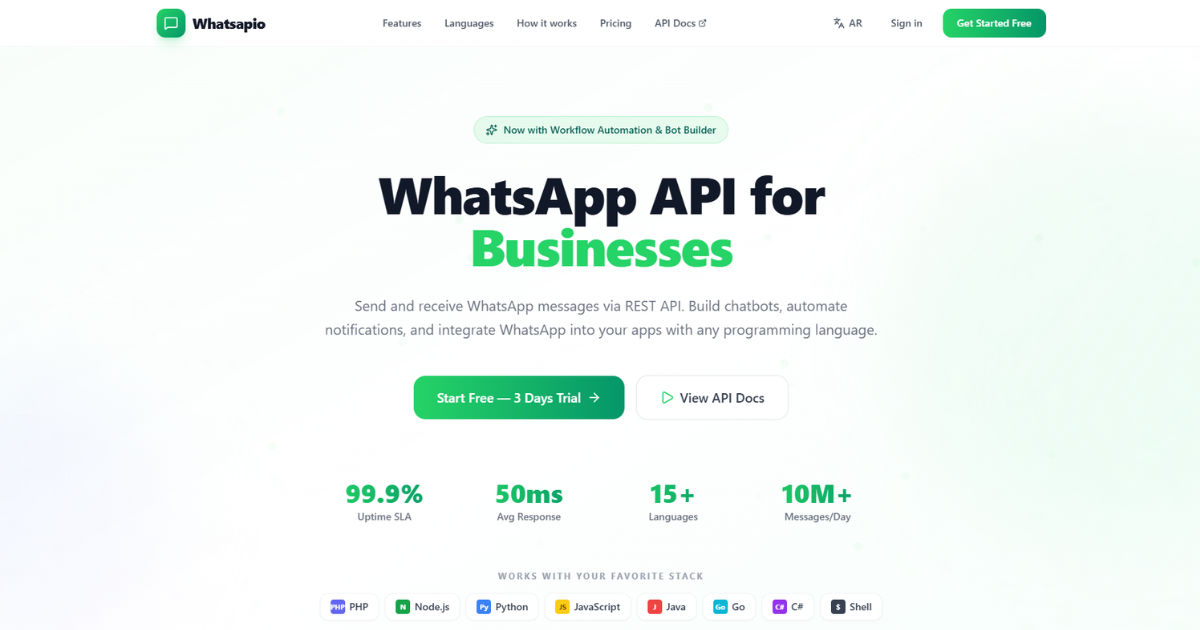
how whatsapp api communication system works?how whatsapp api communication system works?

0 Comment

In today’s digital world, businesses need fast and reliable communication systems. One such system that helps millions connect every day is WhatsApp.

But how does the WhatsApp API communication system work? In this comprehensive guide, we will explain in detail how the WhatsApp API works, why businesses choose a whatsapp api provider, and how this API communication system can improve customer engagement.


This blog post is easy to read for a 12th grade audience and will help you understand the complex system behind WhatsApp’s API.

Using a whatsapp api provider allows companies to send messages, alerts, and notifications to customers at scale. Unlike regular WhatsApp used on phones, the WhatsApp API is designed for businesses. A whatsapp api provider helps companies integrate WhatsApp into their systems without having to build everything from scratch.

Whether it is customer support, order confirmations, or delivery updates, a whatsapp api provider plays a key role in making sure messages are delivered quickly and securely.

This guide will break down the WhatsApp API communication process, explain the technical details in simple language, discuss key features, show real-world use cases, and provide a clear conclusion. By the end, you will understand why so many businesses choose a whatsapp api provider to improve their communication and interaction with customers.


What is the WhatsApp API?

The WhatsApp API is a tool that allows businesses to communicate with customers using WhatsApp automatically and in large volumes. Instead of sending messages manually on a phone, a business uses software that connects to the WhatsApp API. A whatsapp api provider helps make this possible by offering a ready-made connection that companies can plug into their systems.

The API stands for Application Programming Interface. It acts like a bridge between a company’s computer system and WhatsApp’s messaging service. A whatsapp api provider supplies this bridge, so businesses do not need to build it themselves.

The WhatsApp API helps send:

  • Order confirmations
  • Shipping updates
  • Support responses
  • Chatbot replies
  • Appointment reminders

In each case, a whatsapp api provider makes sure that the message sent from the business’s system reaches the customer’s WhatsApp app.


Why Do Businesses Need a WhatsApp API Provider?

Most businesses do not have the technical resources to build a connection to WhatsApp on their own. WhatsApp does not allow direct connection for bulk messaging without using its official API. That’s where a whatsapp api provider comes in.

A whatsapp api provider helps businesses:

  • Integrate WhatsApp with existing software
  • Automate message sending
  • Track message delivery status
  • Manage incoming and outgoing messages
  • Ensure secure and reliable message communication

Without a whatsapp api provider, a business would struggle to set up this system. The provider takes care of technical requirements, security compliance, and connection to WhatsApp’s servers. This makes it easier for businesses to focus on their customers, instead of technology.


How the WhatsApp API Communication System Works

To understand how WhatsApp API communication works, let’s break it into simple steps. The process involves several parts, including a business system, a whatsapp api provider, WhatsApp servers, and the customer’s WhatsApp app.

1. Business System Sends a Request

A business wants to send a message to a user. For example, a delivery company wants to send a shipping update.

The business’s system creates the message and sends it to the whatsapp api provider. The message includes details like the phone number, message content, and type of message.

2. The WhatsApp API Provider Processes the Request

The whatsapp api provider takes the message request and prepares it for WhatsApp. The provider checks:

  • Whether the message meets WhatsApp guidelines
  • Whether the phone number is valid
  • Whether the business has permission to send messages

Once everything is verified, the whatsapp api provider sends the request to WhatsApp servers.

3. WhatsApp Servers Deliver the Message

WhatsApp receives the request from the whatsapp api provider. The message is then delivered to the user’s WhatsApp app. WhatsApp ensures the message is encrypted, protected, and delivered quickly.

4. Delivery and Read Receipts

Once the message reaches the user’s phone, WhatsApp updates the delivery status. This status is sent back through the whatsapp api provider to the business system. The business can then see whether the message was delivered, read, or failed.

5. Handling Replies

If the user replies, the message goes back through WhatsApp servers to the whatsapp api provider. The provider passes the reply to the business system. This allows companies to manage two-way communication.

In every step, the whatsapp api provider plays an important role. The provider manages the connection and makes sure messages flow smoothly between the business and the user.


Key Features of the WhatsApp API

The WhatsApp API has many features that help businesses communicate effectively. Here are some key features:

Two-Way Messaging

With the WhatsApp API, businesses can send and receive messages. A whatsapp api provider makes sure both incoming and outgoing messages are handled properly.

Message Templates

Some messages, like alerts or notifications, use templates approved by WhatsApp. A whatsapp api provider helps manage these templates.

Security and Encryption

All messages sent via WhatsApp are encrypted. A whatsapp api provider ensures this encryption is maintained throughout the communication.

Delivery Reports

A whatsapp api provider can track whether messages are delivered or read. This helps businesses measure the effectiveness of their communication.

Automation and Chatbots

Businesses can automate responses using chatbots. A whatsapp api provider supports these automated systems, helping manage conversations without human intervention.


WhatsApp API vs. Regular WhatsApp

Many people confuse WhatsApp API with the standard WhatsApp app on phones. But there are differences:

Feature WhatsApp App WhatsApp API
Used by Individual users Businesses
Messages Manual Automated and large scale
Integration No Yes (via a whatsapp api provider)
Automation Limited Advanced
Reports No Yes

A whatsapp api provider enables features that the regular WhatsApp app does not offer. This makes the API ideal for business communication.


How to Get Started with a WhatsApp API Provider

If a business wants to use the WhatsApp API, it needs to work with a whatsapp api provider. Here are the general steps:

  1. Choose a Provider

    Research and choose a trusted whatsapp api provider.
  2. Set Up Business Account

    Create a WhatsApp Business account.
  3. Verify Business

    Submit required documents for verification.
  4. Integrate with Software

    Connect the provider’s API with the company’s system.
  5. Create Message Templates

    Create templates and get approval from WhatsApp.
  6. Start Sending Messages

    Use the whatsapp api provider tools to send messages.

A good whatsapp api provider will guide businesses through each step.


Real-World Use Cases of WhatsApp API

Let’s look at how real companies use the WhatsApp API with the help of a whatsapp api provider.

E-Commerce Order Updates

Online stores send order confirmations and delivery updates through WhatsApp. A whatsapp api provider makes sure these messages are sent on time and meet WhatsApp policies.

Customer Support

Many companies use WhatsApp as a support channel. Customers can ask questions and get replies. A whatsapp api provider helps manage large volumes of support messages.

Appointment Reminders

Healthcare providers and service companies send reminders through WhatsApp. A whatsapp api provider ensures no appointment message is missed.

Marketing Campaigns

Businesses can send promotional messages with approval. A whatsapp api provider helps manage templates and sending.


Benefits of Using a WhatsApp API Provider

Using a whatsapp api provider gives many advantages:

  • Speed: Messages are delivered quickly.
  • Scale: Send thousands of messages at once.
  • Automation: Set up automatic messages and bots.
  • Integration: Connect with other systems like CRM.
  • Security: Maintain WhatsApp encryption standards.
  • Tracking: See delivery and read reports.

All these benefits help improve business communication and customer satisfaction.


Common Challenges and Solutions

Even with a whatsapp api provider, businesses can face challenges.

High Volume Messaging

Sending too many messages can lead to restrictions. A whatsapp api provider helps manage volume and compliance.

Template Approval Delays

Sometimes message templates take time to get approved. A whatsapp api provider helps format templates correctly and speeds up approval.

Managing Replies

Handling customer replies can be complex. A whatsapp api provider supports tools to manage and respond to replies efficiently.


Security and Privacy

Security is one of WhatsApp’s strongest features. All messages are end-to-end encrypted. A whatsapp api provider ensures that this encryption continues to protect messages between the business and the customer. Providers also follow strict data protection standards so that customer information remains safe.


Conclusion

The WhatsApp API communication system is a powerful tool for businesses that want fast, reliable, and secure messaging. With the help of a whatsapp api provider, companies can automate messages, integrate with their systems, and improve customer communication. A whatsapp api provider is essential because it provides the tools, support, and connection businesses need to use the WhatsApp API effectively.

Throughout this guide, we explained how the WhatsApp API works, the role of a whatsapp api provider, key features, real-world use cases, and benefits. We also discussed challenges and security aspects. As businesses continue to grow, the need for efficient communication systems will increase. The WhatsApp API, supported by a trusted whatsapp api provider, offers a clear path for companies to connect with their audience in meaningful ways.

how fairness is checked in slot game?how fairness is checked in slot game?

0 Comment

Slot gacor is often the first term people come across when they start exploring online slot games. Many players associate slot gacor with frequent wins, smoother gameplay, and a sense that the game is “fair.”

But behind that feeling, there is a deeper system at work. Fairness in slot games is not based on luck alone. It is carefully designed, tested, and monitored using advanced technology and strict regulations.

In this guide, I’ll walk you through how fairness is actually checked in slot gacor games. I’ll keep things simple, practical, and easy to understand so even a 12th-grade student can follow along without confusion.

Understanding fairness is important because it helps you play with confidence. When you know how systems work, you stop relying on myths and start making smarter decisions.

Let’s break it down step by step.


What Fairness Means in Slot Games

When we talk about fairness in slot games, we are not talking about whether you win or lose. Instead, fairness means that every spin is random, independent, and not manipulated.

A fair slot game ensures that no player has an advantage over another. It also ensures that the game developer or casino cannot control individual outcomes. Whether you are chasing a slot gacor experience or just playing casually, fairness guarantees that results are not fixed.

Fairness also means transparency. The rules, payout rates, and probabilities are clearly defined. This allows players to understand what they are getting into before they start playing.


The Role of Random Number Generator (RNG)

At the heart of every fair slot game is something called a Random Number Generator, or RNG.

The RNG is a computer program that generates random numbers every millisecond. These numbers decide the outcome of each spin. The moment you press the spin button, the RNG selects a number that corresponds to a specific combination of symbols.

This is why slot gacor is not something you can predict. Even if a game feels like it is “hot,” the RNG ensures that each spin is completely independent.

The RNG does not have memory. It does not know what happened in previous spins. It does not adjust outcomes based on wins or losses. This is one of the strongest proofs of fairness in slot games.


Independent Testing Agencies

To ensure that RNG systems are truly random, slot games are tested by independent agencies. These organizations are not connected to the casino or the game developer.

They run thousands, sometimes millions, of simulations to check if the outcomes are statistically random. If a game passes these tests, it gets certified as fair.

This is important because it removes bias. When you play a slot gacor game that has been certified, you can trust that it has gone through strict testing.

These agencies also check whether the payout system works as advertised. If a game claims a certain return percentage, it must match real gameplay data.


Return to Player (RTP) Explained

Another key factor in fairness is something called Return to Player, or RTP.

RTP is a percentage that shows how much money a slot game returns to players over time. For example, if a game has an RTP of 96%, it means that over the long run, players get back 96 out of every 100 units wagered.

This does not mean you will personally get 96% back. It is calculated over millions of spins.

A slot gacor game is often believed to have a high RTP. While this can sometimes be true, RTP alone does not guarantee frequent wins. It simply reflects long-term behavior.

Still, RTP is a strong indicator of fairness. A properly tested game will always display its RTP clearly.


Volatility and Its Impact

Fairness is also influenced by something called volatility.

Volatility describes how often and how much a slot pays. Some games give small wins frequently, while others give big wins rarely.

High volatility slots can feel unfair because you might lose many times before hitting a big win. Low volatility slots may feel like slot gacor because they give regular payouts.

But both types are fair. They just follow different patterns.

Understanding volatility helps you set realistic expectations. It also helps you choose a game that matches your playing style.


Licensing and Regulation

Fair slot games are always licensed by official authorities.

These regulatory bodies ensure that game developers follow strict rules. They review everything from RNG systems to payout structures.

A licensed game must meet certain standards before it is released to the public. This includes fairness checks, security testing, and regular audits.

When you play a slot gacor game on a licensed platform, you are protected by these regulations.

Unlicensed games, on the other hand, may not be fair at all. That is why it is always important to choose trusted platforms.


Regular Audits and Monitoring

Fairness is not checked just once. It is monitored continuously.

Licensed casinos and developers must undergo regular audits. These audits ensure that the game continues to perform as expected.

If any irregularity is found, the game can be suspended or removed.

This ongoing monitoring is what keeps the system reliable. It ensures that a slot gacor experience remains consistent over time.


Game Algorithms and Transparency

Modern slot games are built using complex algorithms. These algorithms define how the game behaves.

They determine symbol frequency, bonus triggers, and payout distribution.

While these systems are complex, they are documented and tested. Developers must provide detailed reports to regulators.

This transparency is another layer of fairness. It ensures that nothing is hidden from the authorities.

For players, this means you can trust that the game is not secretly manipulated.


Common Myths About Slot Fairness

There are many myths about slot games that confuse players.

One common myth is that machines go “hot” or “cold.” In reality, every spin is random. A slot gacor moment is not predictable.

Another myth is that casinos can control outcomes. Licensed casinos cannot do this because of strict regulations.

Some players also believe that playing at certain times increases chances of winning. This is not true. The RNG works the same way all the time.

Understanding these myths helps you see fairness more clearly.


How Players Can Check Fairness

As a player, you can also take simple steps to check if a slot game is fair.

First, look for licensing information. This is usually displayed on the website.

Second, check if the game provider is well-known. Established developers follow strict standards.

Third, review the RTP. Transparent games always share this information.

Finally, read reviews and feedback from other players. If a game consistently feels like slot gacor but is backed by proper certification, it is likely fair.


The Psychology of Fairness

Sometimes fairness is not just about systems. It is also about perception.

When players experience a series of losses, they may feel the game is unfair. But this is often just variance at work.

Slot gacor is a term that reflects player perception more than actual mechanics.

Understanding this psychological aspect helps you stay grounded. It reminds you that fairness is based on math, not emotions.


Technology Advancements in Fairness

Technology continues to improve fairness in slot games.

Blockchain-based slots, for example, offer provably fair systems. These allow players to verify outcomes independently.

Artificial intelligence is also used to detect anomalies and ensure smooth operation.

These advancements make it even harder for unfair practices to exist.

As a result, modern slot gacor games are more transparent and reliable than ever before.


Why Fairness Matters

Fairness is the foundation of trust in slot games.

Without fairness, players would lose confidence and stop playing.

For developers and casinos, maintaining fairness is essential for long-term success.

For players, fairness ensures that every spin is genuine. Whether you win or lose, you know the outcome is not manipulated.

This is what makes the concept of slot gacor meaningful. It is not about guaranteed wins, but about a fair chance.


Conclusion

Fairness in slot games is not a mystery. It is a well-structured system built on technology, regulation, and transparency.

From RNG systems to independent testing, every layer is designed to ensure that outcomes are random and unbiased. Licensing bodies and regular audits add another level of security, making sure that games continue to operate fairly over time.

The idea of slot gacor often comes from player experience, but true fairness lies in the mechanics behind the game. When you understand how these systems work, you stop relying on myths and start trusting the process.

At the end of the day, slot games are meant to be entertaining. Fairness ensures that this entertainment is honest and reliable.

So the next time you play, remember that every spin is independent, every result is random, and every outcome is part of a carefully tested system. That is the real meaning of fairness in slot games, and that is what makes the experience enjoyable for everyone.

how social media growth management drives engagement?how social media growth management drives engagement?

0 Comment

Social Media Management plays a central role in how brands connect with audiences, build trust, and encourage meaningful interactions online. In today’s digital world, platforms like Instagram, TikTok, Facebook, and X (Twitter) are not just places to share content—they are powerful ecosystems where engagement determines visibility and success.

Effective Social Media Management helps businesses organize content, analyze performance, and interact with users in a structured way that naturally drives engagement.

When done correctly, it transforms passive followers into active participants who like, comment, share, and advocate for a brand.

This comprehensive guide explores how Social Media Management drives engagement, the strategies behind it, and the tools and techniques that help businesses grow their online presence. Written in a clear and simple way, this guide is ideal for a 12th-grade level reader who wants to understand how social media works behind the scenes and why engagement is the key to success.


Understanding Social Media Engagement

Engagement refers to how users interact with content on social media platforms. In Social Media Management, engagement is measured through likes, comments, shares, saves, clicks, and direct messages. These actions indicate that users are not just viewing content but actively responding to it.

High engagement signals to algorithms that content is valuable. As a result, platforms are more likely to show that content to a wider audience. This is why Social Media Management focuses heavily on creating content that encourages interaction rather than just broadcasting messages.

Engagement is not only about numbers—it reflects relationships. When users engage consistently, it shows that a brand has successfully captured attention and built interest.


The Role of Social Media Management in Driving Engagement

Social Media Management is the backbone of any successful social media strategy. It involves planning, creating, scheduling, analyzing, and optimizing content across platforms. Each of these steps contributes to improved engagement.

Without proper Social Media Management, content may lack consistency, relevance, or timing—all of which affect how users respond. A well-managed social media presence ensures that posts reach the right audience at the right time with the right message.

Consistency in tone, visuals, and messaging builds familiarity. Familiarity builds trust. Trust leads to engagement. This chain is what makes Social Media Management essential for growth.


Content Strategy and Its Impact on Engagement

A strong content strategy is a core component of Social Media Management. Content must be relevant, valuable, and engaging to capture attention.

Types of Content That Drive Engagement

Different types of content perform differently depending on the audience. Social Media Management often includes:

  • Educational posts that provide useful information
  • Entertaining content such as memes or videos
  • Inspirational quotes or stories
  • Interactive posts like polls and questions
  • Behind-the-scenes content that humanizes a brand

Each of these formats encourages users to interact in different ways. A balanced content mix increases the chances of engagement.

Importance of Consistency

Consistency in posting is a key principle of Social Media Management. Posting regularly keeps the audience engaged and prevents the brand from being forgotten. It also signals reliability, which strengthens audience trust.


Audience Understanding and Targeting

Understanding the audience is essential for effective Social Media Management. Engagement improves when content matches the interests, needs, and behaviors of the target audience.

Audience Research

Social Media Management involves researching demographics such as age, location, interests, and online behavior. This information helps tailor content that resonates with users.

Personalization

Personalized content performs better because it feels more relevant. Social Media Management uses data to create content that speaks directly to the audience’s preferences. Personalized messaging increases the likelihood of likes, shares, and comments.


The Power of Visual Content

Visual content is one of the most effective drivers of engagement in Social Media Management. Images, videos, infographics, and reels attract attention faster than text alone.

Why Visuals Work

Humans process visuals more quickly than text. Social Media Management leverages this by incorporating eye-catching designs and videos that communicate messages instantly.

Video Content

Short-form videos have become especially popular. Platforms prioritize video content because it keeps users engaged longer. Social Media Management strategies often focus on creating short, engaging videos that deliver value quickly.


Timing and Posting Frequency

When content is posted can be just as important as what is posted. Social Media Management includes analyzing the best times to post based on audience activity.

Optimal Timing

Posting when the audience is most active increases visibility. Social Media Management tools often provide insights into peak engagement times.

Posting Frequency

Posting too frequently can overwhelm users, while posting too rarely can reduce visibility. Social Media Management finds the right balance to maintain consistent engagement without causing fatigue.


Hashtags and Discoverability

Hashtags improve discoverability by categorizing content. Social Media Management uses hashtags strategically to reach a broader audience beyond existing followers.

Choosing the Right Hashtags

Relevant and trending hashtags help content appear in searches and explore pages. Social Media Management involves researching hashtags that align with the content and audience.

Avoiding Overuse

Using too many irrelevant hashtags can reduce credibility. Effective Social Media Management focuses on quality over quantity when selecting hashtags.


Engagement Through Community Interaction

Engagement is not just about posting content—it also involves interacting with the audience. Social Media Management emphasizes two-way communication.

Responding to Comments

Replying to comments shows that a brand values its audience. Social Media Management encourages timely and meaningful responses to build relationships.

Direct Messages

Direct messages provide a more personal way to connect. Social Media Management often includes managing inboxes to maintain communication with followers.


The Role of Analytics in Social Media Management

Analytics are essential for understanding what works and what doesn’t. Social Media Management relies on data to improve engagement strategies.

Key Metrics

Important metrics include:

  • Engagement rate
  • Reach and impressions
  • Click-through rate
  • Follower growth

These metrics help evaluate the effectiveness of content and campaigns.

Data-Driven Decisions

By analyzing performance data, Social Media Management can adjust strategies to improve results. Data ensures that decisions are based on evidence rather than assumptions.


Algorithm Understanding and Optimization

Social media platforms use algorithms to determine what content users see. Social Media Management involves understanding these algorithms to maximize reach and engagement.

How Algorithms Work

Algorithms prioritize content based on relevance, engagement, and user behavior. Content with higher engagement is more likely to be promoted.

Optimizing for Algorithms

Social Media Management focuses on creating content that encourages interaction, such as asking questions, using calls-to-action, and posting at optimal times.


Paid Promotions and Engagement Boost

While organic reach is important, paid promotions can enhance visibility. Social Media Management often includes running ads to boost engagement.

Targeted Advertising

Paid campaigns allow precise targeting based on demographics, interests, and behavior. This ensures content reaches the most relevant audience.

Retargeting

Retargeting helps re-engage users who have already interacted with a brand. Social Media Management uses this technique to increase conversions and engagement.


Tools Used in Social Media Management

Various tools simplify Social Media Management and improve efficiency.

Scheduling Tools

Scheduling tools allow posts to be planned in advance. This ensures consistency and saves time.

Analytics Tools

Analytics tools provide insights into performance metrics. Social Media Management relies on these tools to track progress and optimize strategies.

Content Creation Tools

Design and video editing tools help create visually appealing content. Social Media Management uses these tools to maintain quality and consistency.


Building Brand Voice and Identity

A strong brand voice helps create a recognizable identity. Social Media Management ensures that all content aligns with this voice.

Tone and Style

Whether formal, casual, or humorous, consistency in tone helps build familiarity. Social Media Management maintains this consistency across all platforms.

Visual Identity

Colors, fonts, and design elements contribute to brand recognition. Social Media Management ensures that visuals align with brand guidelines.


Trends and Adaptability

Social media trends change quickly. Social Media Management requires adaptability to stay relevant.

Following Trends

Trends such as viral challenges, memes, and new features can boost engagement. Social Media Management incorporates trends in a way that aligns with the brand.

Experimentation

Testing new content formats and strategies is important. Social Media Management involves experimenting to discover what resonates best with the audience.


Challenges in Social Media Management

Despite its benefits, Social Media Management comes with challenges.

Content Saturation

With so much content available, standing out can be difficult. Social Media Management must focus on originality and creativity.

Algorithm Changes

Frequent changes in algorithms can affect reach. Social Media Management requires continuous learning and adaptation.

Time and Resource Constraints

Managing multiple platforms can be time-consuming. Social Media Management tools help streamline tasks and improve efficiency.


Future of Social Media Engagement

The future of engagement will continue to evolve with technology. Social Media Management will play an even greater role in shaping digital interactions.

Artificial Intelligence

AI will enhance content personalization and automation. Social Media Management will increasingly rely on AI-driven insights.

Interactive Content

Features like polls, quizzes, augmented reality filters, and live streaming will continue to grow. Social Media Management will focus on creating more interactive experiences.


Conclusion

Social Media Management is a critical component of driving engagement in today’s digital landscape. It brings together content creation, audience understanding, analytics, timing, and interaction to create meaningful connections between brands and users. By applying structured strategies, Social Media Management ensures that content reaches the right audience and encourages active participation.

Engagement is not achieved by chance—it is the result of consistent effort, data-driven decisions, and a clear understanding of audience behavior. Through effective Social Media Management, brands can build trust, increase visibility, and foster long-term relationships with their audience.

As platforms continue to evolve, the importance of Social Media Management will only grow. Those who invest time and resources into mastering it will be better positioned to succeed in an increasingly competitive digital environment.


why gastrointestinal gut barrier protects digestion?why gastrointestinal gut barrier protects digestion?

0 Comment

The Gastrointestinal system is one of the most important parts of the human body. It does much more than just digest food. It protects the body from harmful substances, supports immunity, and maintains overall health. At the center of all these functions is the Gastrointestinal gut barrier. This barrier plays a key role in ensuring that digestion happens safely and efficiently.

The Gastrointestinal gut barrier acts like a security system. It allows nutrients to enter the body while keeping harmful bacteria, toxins, and pathogens out. Without a properly functioning Gastrointestinal barrier, digestion would not only be inefficient but also dangerous.

This comprehensive guide explains how the Gastrointestinal gut barrier works, why it is essential for digestion, and how it protects the body.


What Is the Gastrointestinal Gut Barrier?

The Gastrointestinal gut barrier is a protective layer that lines the digestive tract. It separates the inside of the digestive system from the rest of the body. This barrier is made up of several components that work together.

These include:

  • A layer of mucus
  • Epithelial cells
  • Tight junctions between cells
  • Immune cells
  • Beneficial bacteria

The Gastrointestinal barrier is not just a physical wall. It is an active and intelligent system that responds to changes in the body and environment.


Structure of the Gastrointestinal Barrier

The Mucus Layer

The first line of defense in the Gastrointestinal tract is the mucus layer. This sticky substance traps harmful microbes and prevents them from reaching the cells.

The Gastrointestinal mucus also contains antimicrobial substances. These help kill or neutralize dangerous bacteria before they can cause harm.

Epithelial Cells

Below the mucus layer are epithelial cells. These cells form a continuous lining along the Gastrointestinal tract. They are tightly packed together to prevent unwanted substances from passing through.

These cells also absorb nutrients, making them essential for digestion.

Tight Junctions

Tight junctions are connections between epithelial cells. They act like seals that control what passes between the cells.

A healthy Gastrointestinal barrier has strong tight junctions. When these junctions weaken, harmful substances can leak into the body. This condition is often called “leaky gut.”

Immune Cells

The Gastrointestinal system contains a large number of immune cells. These cells detect and respond to harmful invaders.

They help the Gastrointestinal barrier identify what is safe and what is dangerous.

Gut Microbiota

The Gastrointestinal tract is home to trillions of bacteria. These beneficial microbes support digestion and protect against harmful organisms.

A balanced microbiota strengthens the Gastrointestinal barrier and improves overall health.


Why the Gastrointestinal Barrier Is Essential for Digestion

Selective Absorption of Nutrients

One of the main roles of the Gastrointestinal barrier is to allow nutrients to pass into the bloodstream.

During digestion, food is broken down into smaller molecules. The Gastrointestinal barrier ensures that only useful nutrients are absorbed.

Without this selective function, harmful substances could enter the body along with nutrients.

Protection Against Harmful Substances

The Gastrointestinal tract is constantly exposed to bacteria, viruses, and toxins. The barrier prevents these harmful agents from entering the body.

This protection is crucial for safe digestion. If the Gastrointestinal barrier fails, infections and inflammation can occur.

Maintaining Internal Balance

The Gastrointestinal barrier helps maintain homeostasis, or internal balance.

It regulates the movement of water, electrolytes, and nutrients. This ensures that digestion happens smoothly and efficiently.


How the Gastrointestinal Barrier Supports the Immune System

First Line of Defense

The Gastrointestinal barrier acts as the body’s first line of defense. It prevents harmful substances from entering the bloodstream.

This reduces the burden on the immune system and helps keep the body healthy.

Interaction with Immune Cells

Immune cells in the Gastrointestinal tract constantly monitor incoming substances. They decide whether to trigger an immune response.

This system allows the body to tolerate harmless substances while reacting to dangerous ones.

Role of Gut Bacteria

Beneficial bacteria in the Gastrointestinal tract play a key role in immunity.

They compete with harmful microbes, produce protective substances, and support the immune system.


What Happens When the Gastrointestinal Barrier Is Damaged?

Increased Permeability

When the Gastrointestinal barrier becomes weak, it allows harmful substances to pass through. This is known as increased permeability.

This can lead to inflammation and various health problems.

Digestive Issues

A damaged Gastrointestinal barrier can cause:

  • Bloating
  • Diarrhea
  • Constipation
  • Food sensitivities

These issues occur because the digestive system is no longer functioning properly.

Chronic Inflammation

When harmful substances enter the body, they trigger an immune response. This can lead to chronic inflammation.

Chronic inflammation is linked to many diseases, including autoimmune conditions.


Factors That Affect the Gastrointestinal Barrier

Diet

Diet plays a major role in the health of the Gastrointestinal barrier.

A balanced diet rich in fiber, vitamins, and minerals supports the barrier. Processed foods and excessive sugar can weaken it.

Stress

Stress negatively affects the Gastrointestinal system.

It can disrupt the balance of gut bacteria and weaken the barrier, leading to digestive problems.

Infections

Infections can damage the Gastrointestinal lining and disrupt its function.

Proper hygiene and a strong immune system help protect against infections.

Medications

Certain medications, especially antibiotics, can harm the Gastrointestinal microbiota.

This can weaken the barrier and affect digestion.


How to Strengthen the Gastrointestinal Barrier

Eat a Healthy Diet

A diet rich in fruits, vegetables, and whole grains supports the Gastrointestinal barrier.

Fiber feeds beneficial bacteria and promotes a healthy gut environment.

Stay Hydrated

Water is essential for proper Gastrointestinal function.

It helps maintain the mucus layer and supports digestion.

Manage Stress

Reducing stress is important for maintaining a healthy Gastrointestinal system.

Activities like exercise, meditation, and relaxation can help.

Get Enough Sleep

Sleep is essential for overall health, including the Gastrointestinal barrier.

A well-rested body can repair and maintain its systems more effectively.

Use Probiotics

Probiotics are beneficial bacteria that support the Gastrointestinal microbiota.

They help strengthen the barrier and improve digestion.


The Connection Between the Gastrointestinal Barrier and Overall Health

Brain-Gut Connection

The Gastrointestinal system is closely linked to the brain. This connection is known as the gut-brain axis.

A healthy Gastrointestinal barrier supports mental health and reduces stress.

Impact on Energy Levels

Efficient digestion allows the body to absorb nutrients properly.

A strong Gastrointestinal barrier ensures that the body gets the energy it needs.

Role in Disease Prevention

A healthy Gastrointestinal barrier reduces the risk of infections and chronic diseases.

It plays a key role in maintaining overall health.


Common Myths About the Gastrointestinal Barrier

Myth 1: Digestion Is Only About Food Breakdown

Many people think digestion is only about breaking down food.

In reality, the Gastrointestinal system also protects the body and supports immunity.

Myth 2: All Bacteria Are Harmful

Not all bacteria are bad. The Gastrointestinal tract contains beneficial bacteria that are essential for health.

These microbes help maintain the barrier and improve digestion.

Myth 3: Digestive Problems Are Always Minor

Digestive issues should not be ignored.

They may indicate problems with the Gastrointestinal barrier and require attention.


Scientific Advances in Understanding the Gastrointestinal Barrier

Modern Research

Scientists are studying the Gastrointestinal barrier in great detail.

They are discovering how it interacts with the immune system and affects overall health.

New Treatments

Research is leading to new treatments for digestive disorders.

These treatments focus on strengthening the Gastrointestinal barrier and restoring balance.


Practical Tips for Maintaining a Healthy Gastrointestinal Barrier

  • Eat balanced meals regularly
  • Avoid excessive processed foods
  • Stay physically active
  • Limit unnecessary medication use
  • Include fermented foods in your diet

These habits support a strong and healthy Gastrointestinal system.


Conclusion

The Gastrointestinal gut barrier is essential for protecting digestion and maintaining overall health. It acts as a selective filter, allowing nutrients to enter the body while blocking harmful substances. This function is critical for safe and efficient digestion.

A healthy Gastrointestinal barrier supports the immune system, prevents infections, and maintains internal balance. When the barrier is damaged, it can lead to digestive issues, inflammation, and other health problems.

By understanding how the Gastrointestinal barrier works, we can take steps to protect it. A healthy diet, proper hydration, stress management, and good lifestyle habits all contribute to a strong Gastrointestinal system.

In the end, the Gastrointestinal barrier is not just a part of digestion—it is a key protector of the body. Taking care of it is essential for long-term health and well-being.