In today’s digital world, sms activation has become an important process for verifying online accounts.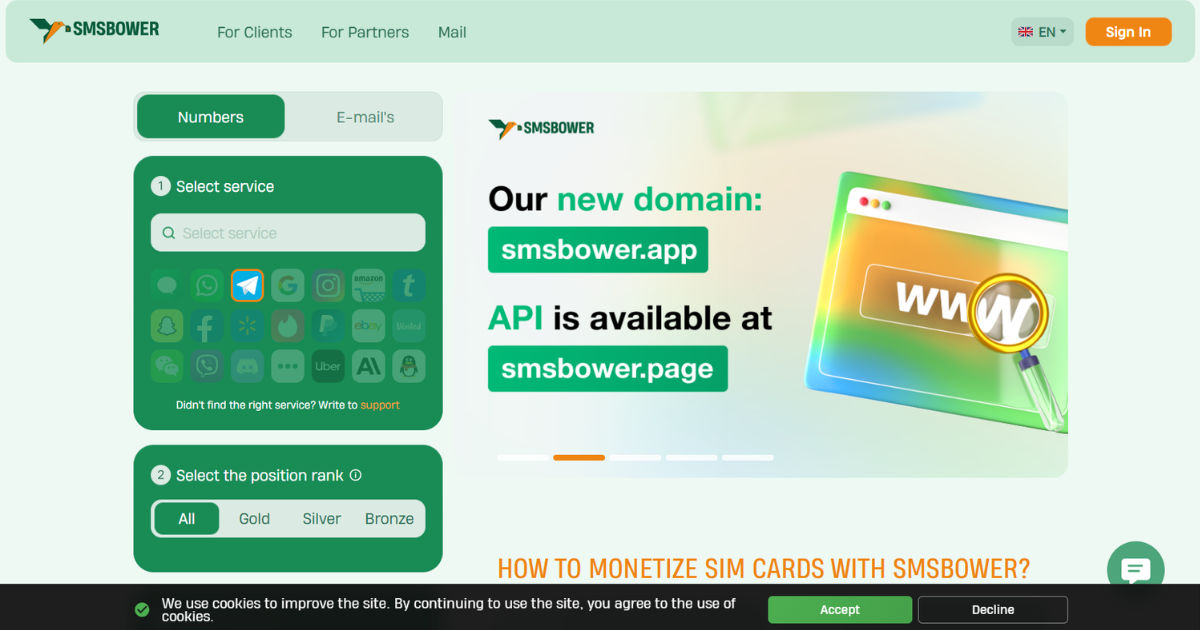
Whether you are signing up for social media, messaging apps, or online services, sms activation is often required to confirm your identity. Many users also use sms activation with virtual numbers to protect privacy and manage multiple accounts safely.
The concept of sms activation using virtual numbers may sound technical at first, but it is actually simple once explained clearly.
A virtual number acts like a normal phone number but exists online instead of being tied to a physical SIM card. This allows users to receive verification codes through sms activation without using their personal number.
In this guide, we will explore everything about sms activation, how virtual numbers work, why people use them, their benefits, risks, and real-world applications. By the end, you will fully understand how sms activation systems operate in modern communication platforms.
What is SMS Activation?
sms activation is the process of verifying a user’s identity using a one-time code sent via SMS. When you enter your phone number on a website or app, the system sends a code. You must enter that code to complete registration.
This process ensures that:
- The user is real
- The phone number is valid
- The account is protected from bots
In modern systems, sms activation is a standard security step. It is used by almost every major platform, including social media networks, banking apps, and e-commerce websites.
When virtual numbers are used, sms activation still works the same way, but the SMS is received online instead of on a physical phone.
What is a Virtual Number?
A virtual number is a telephone number that is not tied to a physical SIM card or device. Instead, it operates through the internet using cloud-based systems.
Virtual numbers are widely used for sms activation because they can receive messages from anywhere in the world. This makes the sms activation process flexible and accessible.
Key features of virtual numbers include:
- No physical SIM required
- Works through apps or web dashboards
- Can be used internationally
- Supports multiple sms activation requests
- Easy to create and discard
Because of these features, virtual numbers are commonly used in modern sms activation systems.
How SMS Activation with Virtual Numbers Works
The process of sms activation using a virtual number involves several steps. Although it looks simple from the user side, multiple systems work together behind the scenes.
Step 1: Selecting a Virtual Number
First, the user selects a virtual number from a service provider. This number will be used for sms activation on a specific platform.
Step 2: Entering the Number on a Platform
The user enters the virtual number when signing up for a service. The platform then starts the sms activation process.
Step 3: Receiving the Verification Code
The platform sends an SMS code to the virtual number. The virtual system receives this message online.
This is a key part of sms activation, as the code is required to verify the account.
Step 4: Accessing the SMS Online
The user logs into the virtual number dashboard or app and views the received message. This message contains the sms activation code.
Step 5: Completing Verification
The user enters the code into the platform. Once verified, the sms activation process is complete, and the account becomes active.
Types of Virtual Numbers Used for SMS Activation
Different types of virtual numbers support sms activation, depending on usage and provider.
1. Temporary Virtual Numbers
These numbers are used for short-term sms activation. Once the verification is complete, they are often discarded.
2. Permanent Virtual Numbers
Permanent numbers can be used repeatedly for ongoing sms activation across multiple platforms.
3. Shared Virtual Numbers
Multiple users may use the same number for sms activation, though this can reduce privacy.
4. Private Virtual Numbers
These are dedicated numbers used by a single user for secure sms activation processes.
Each type has advantages depending on how the sms activation is needed.
Why People Use Virtual Numbers for SMS Activation
There are several reasons why virtual numbers are popular for sms activation.
Privacy Protection
Many users do not want to share their personal number. Using virtual numbers for sms activation helps protect privacy.
Multiple Account Creation
Some platforms allow only one account per number. Virtual numbers make sms activation easier for multiple accounts.
International Access
Virtual numbers enable global sms activation, even if the user is in a different country.
Temporary Use
Users often need short-term sms activation for testing apps or services.
Business Use
Companies use virtual numbers for large-scale sms activation systems in customer onboarding.
Advantages of SMS Activation with Virtual Numbers
Using virtual numbers for sms activation offers many benefits.
Easy Setup
The sms activation process becomes simple and fast with virtual numbers.
Cost-Effective
Many virtual number services are cheap or free, reducing sms activation costs.
Global Accessibility
Users can complete sms activation from anywhere in the world.
Better Control
Users can manage multiple sms activation processes from a single dashboard.
Reduced Spam
Virtual numbers help avoid spam on personal numbers during sms activation.
Limitations and Risks of SMS Activation via Virtual Numbers
Although useful, sms activation with virtual numbers also has limitations.
1. Blocked Numbers
Some platforms detect and block virtual numbers during sms activation.
2. Security Concerns
Shared numbers may expose sms activation codes to other users.
3. Limited Reliability
Not all virtual services guarantee successful sms activation delivery.
4. Account Recovery Issues
If a virtual number expires, recovering accounts after sms activation may become difficult.
5. Compliance Restrictions
Some services restrict the use of virtual numbers for sms activation.
Common Use Cases of SMS Activation
The use of sms activation extends across many industries and platforms.
Social Media Platforms
Apps like messaging and social networks rely heavily on sms activation for account creation.
Online Banking
Banks use secure sms activation to verify transactions and logins.
E-Commerce Websites
Shopping platforms use sms activation to verify buyers and prevent fraud.
Mobile Applications
Many apps require sms activation before allowing full access.
Developer Testing
Developers use virtual numbers for sms activation during app testing.
Security Aspects of SMS Activation
Security is one of the main reasons for using sms activation systems.
Two-Factor Authentication
Many platforms use sms activation as part of two-factor authentication.
Fraud Prevention
sms activation helps prevent fake accounts and automated bots.
Identity Verification
The process ensures that each account is linked to a real user through sms activation.
Limitations in Security
However, virtual numbers can sometimes reduce the security strength of sms activation if not managed properly.
How to Choose a Reliable Virtual Number Service
Selecting the right service is important for successful sms activation.
Check Reliability
Choose a provider known for consistent sms activation delivery.
Look for Privacy Features
Ensure the service protects your sms activation data securely.
Global Coverage
Pick a provider that supports international sms activation.
Pricing Plans
Compare costs for long-term sms activation usage.
Customer Support
Good support ensures quick help during sms activation issues.
Troubleshooting SMS Activation Problems
Sometimes sms activation may fail. Here are common solutions.
Delayed Messages
Wait a few minutes if the sms activation code is delayed.
Incorrect Number Format
Ensure the virtual number is entered correctly during sms activation.
Service Block
Try another virtual number if sms activation is blocked.
Network Issues
Check internet connection when accessing sms activation messages.
Expired Numbers
Use active numbers to avoid failed sms activation attempts.
Future of SMS Activation Systems
The future of sms activation is evolving rapidly.
Shift to App-Based Authentication
Many systems may replace traditional sms activation with app-based verification.
AI Security Systems
Artificial intelligence will improve sms activation fraud detection.
Blockchain Identity Systems
Decentralized identity may reduce reliance on traditional sms activation.
Improved Virtual Number Systems
Virtual number services will become more secure for sms activation.
Despite changes, sms activation will continue to play a major role in digital security.
Best Practices for Using SMS Activation
To use sms activation effectively, follow these tips:
- Use trusted virtual number providers
- Avoid shared numbers for sensitive sms activation
- Keep backup access methods
- Do not reuse expired numbers for sms activation
- Always verify platform policies
These practices ensure smooth and safe sms activation experiences.
Conclusion
sms activation is a critical part of modern online security and identity verification. It ensures that users are real and accounts are protected from unauthorized access. When combined with virtual numbers, sms activation becomes even more flexible, allowing users to manage privacy, multiple accounts, and international access easily.
However, while sms activation with virtual numbers is convenient, it also comes with limitations such as reliability issues and potential security risks. Choosing the right service and following best practices can significantly improve the experience.
As technology continues to evolve, sms activation will remain a foundational system, even as newer authentication methods emerge. Virtual numbers will continue to support sms activation, especially for users who value flexibility and privacy.
Understanding how sms activation works helps users make smarter decisions in digital communication and online security.
 However, behind this popularity, togel also carries significant risks that are often ignored by beginners. Understanding these risks is important for anyone who encounters togel online, especially young users who may not fully understand how such systems work.