
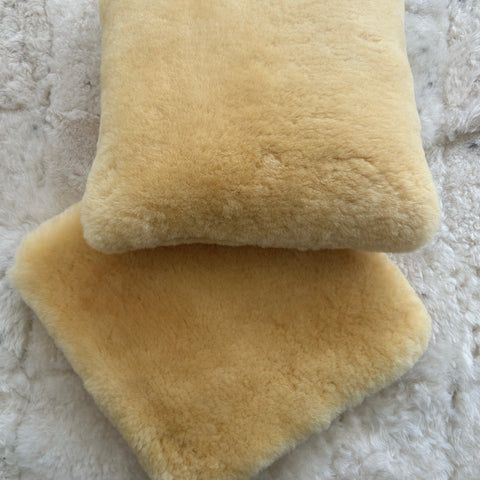
The image of a sheepskin rug before a crackling fire evokes warmth, comfort, and rustic charm. It is a symbol of pastoral simplicity, a direct link to a seemingly harmless agricultural world. Yet, beneath this soft exterior lies a global industry entangled with significant dangers that extend far beyond the farm gate. The creation of a sheep skins for sale product, from shearing to tanning, is a process fraught with ethical, environmental, and even public health risks that are often obscured by its cozy marketing. In 2024, with global demand for wool and leather products remaining robust, the hidden costs of this commodity are becoming increasingly difficult to ignore.
The Unseen Hazards of Modern Tanning
The transformation of a raw animal hide into a supple, preserved sheepskin is where the greatest dangers are concentrated. While traditional methods used natural substances, the scale of modern production relies heavily on a cocktail of toxic chemicals. The primary goal is to prevent decomposition, a race against time that employs aggressive agents. The most notorious of these is chromium sulfate, used in over 80% of global leather tanning. When properly processed, it stabilizes the collagen fibers. However, improper handling can convert it into hexavalent chromium, a known carcinogen that is toxic to humans and devastating to ecosystems. Tannery effluent, often released untreated into waterways in major production hubs, contaminates water supplies, destroys aquatic life, and poses severe health risks to local communities, including dermatological problems and increased cancer rates.
- Chemical Cocktails: Beyond chromium, tanneries use formaldehyde, arsenic, and cyanide-based compounds, creating a toxic sludge.
- Worker Vulnerability: Employees in tanneries, often in developing nations with lax regulations, face direct exposure to these chemicals, leading to chronic illnesses.
- Environmental Fallout: A single tannery can pollute millions of gallons of water daily, creating dead zones in rivers and affecting agriculture downstream.
Case Study 1: The Water Crisis in a Major Production Hub
In the industrial districts of a major Asian leather-producing country, a 2024 environmental audit revealed alarming statistics. Water samples from rivers adjacent to tannery clusters showed chromium levels 50 times above the safe limit recommended by the World Health Organization. The local population, reliant on this water for bathing and irrigation, reported a 40% higher incidence of skin lesions and respiratory ailments compared to national averages. This case is not an anomaly but a stark illustration of the industry’s standard practice of externalizing its true costs onto the environment and the most vulnerable populations.
Case Study 2: The Antibiotic-Resistant Sheepskin
A less obvious but equally sinister danger originates on the farm. To meet the high demand for unblemished skins, intensive farming practices are common. Sheep are often kept in crowded conditions, necessitating the prophylactic use of antibiotics to prevent disease. A recent study by a European food safety authority found traces of antibiotics, including those critical for human medicine, in a significant percentage of tested sheepskins. The danger arises when these residues persist through the tanning process. While the risk of direct transmission is low, the broader contribution to the global crisis of antimicrobial resistance (AMR) is profound. The industry inadvertently becomes a vector, fostering resistant bacteria that can render life-saving drugs ineffective.
Case Study 3: The Carbon Hoofprint of a Luxury Rug
The environmental impact begins long before the tanning vats. The life cycle assessment of a single sheepskin rug tells a story of a substantial carbon footprint. Sheep are ruminants, producing methane, a greenhouse gas over 25 times more potent than carbon dioxide. A 2023 report estimated that the global livestock sector, including sheep farming for wool and skin, is responsible for approximately 14.5% of all anthropogenic greenhouse gas emissions. When combined with the energy-intensive processes of transport, tanning, and finishing, the humble sheepskin rug accumulates a significant “carbon hoofprint,” challenging its perception as a natural and eco-friendly product.
A Tangled Web of Ethics and Consumer Choice
The dangers of sheepskin creation present a complex ethical dilemma for the conscious consumer. The industry is a vital source of income for millions of farmers and workers worldwide. A blanket condemnation is not a solution. However, ignorance is no longer viable. The path forward demands radical transparency and a shift towards responsible practices. This includes supporting tanneries that adhere to strict environmental standards, such as those certified by the Leather Working Group, and seeking out products from farms that prioritize animal welfare and regenerative