
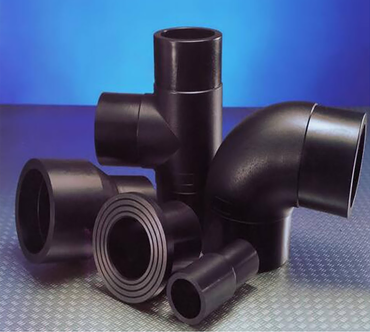
High-Density Polyethylene (HDPE) piping systems have become indispensable in numerous industries due to their durability, cost-effectiveness, and versatility. Made from a robust thermoplastic polymer, HDPE pipes are highly resistant to chemicals, corrosion, and abrasion, making them ideal for a wide range of applications. From agriculture to mining, HDPE piping systems are transforming industries, enhancing productivity, and reducing operational costs.
Agricultural Applications: Water Management and Irrigation
One of the most significant applications of HDPE pipes is in agriculture, particularly for irrigation and water management. Traditional irrigation methods often involve open channels or metal pipes, which are prone to corrosion and require frequent maintenance. HDPE pipes, however, provide a long-lasting solution. They are used in drip irrigation, sprinkler systems, and water distribution networks, ensuring that water reaches crops efficiently while minimizing wastage.
The flexibility of HDPE pipes allows them to be easily installed across vast agricultural fields, even in uneven or rough terrains. Their resistance to UV radiation and weathering also ensures they remain functional in outdoor environments for long periods, which is a key factor for agricultural operations that require reliable, continuous water supply. Furthermore, HDPE pipes are lightweight, making them easy to transport and handle, even in remote farming areas.
Construction and Infrastructure: Wastewater and Stormwater Management
In the construction and infrastructure sectors, HDPE pipes play a critical role in wastewater management and stormwater drainage systems. Due to their strength and resistance to chemicals, HDPE Fittings are used to transport sewage, wastewater, and stormwater without the risk of degradation. They can withstand high pressure, making them ideal for both residential and commercial developments, as well as municipal systems.
HDPE piping systems are also preferred for their leak-free performance. The fusion welding process used in joining HDPE pipes ensures that there are no joints or seams where leaks could occur, thereby minimizing the risk of contamination and environmental damage. The smooth inner surface of HDPE pipes also reduces the chances of blockages and ensures efficient fluid flow.
Mining: Transporting Slurries and Hazardous Materials
The mining industry has greatly benefited from the adoption of HDPE piping systems, particularly in the transport of slurries, chemicals, and other hazardous materials. Mining operations require highly durable and resistant piping systems to handle the abrasive nature of materials such as rocks, sand, and ore. HDPE pipes offer exceptional abrasion resistance, preventing wear and tear that would otherwise occur with traditional piping materials.
In addition to handling abrasives, HDPE pipes are resistant to a wide range of chemicals, including acids and solvents commonly used in mining processes. They are also less likely to corrode when exposed to harsh mining environments, reducing the frequency of replacements and maintenance. This ability to withstand extreme conditions while maintaining integrity and performance makes HDPE piping an ideal choice for transporting mining slurry and other materials over long distances.
Oil and Gas: Safe Transportation of Fluids
HDPE piping systems are also widely used in the oil and gas industry, where they are employed for transporting various types of fluids, including water, natural gas, and crude oil. The pipes’ flexibility and resistance to high-pressure conditions make them suitable for both onshore and offshore applications. HDPE pipes provide a secure and efficient method of transportation, reducing the risk of leaks and spills that can lead to costly environmental damage and legal issues.
Conclusion
From agriculture to mining, HDPE piping systems have demonstrated remarkable versatility and reliability in various sectors. Their resistance to corrosion, chemicals, and abrasion, combined with their flexibility and ease of installation, makes them the preferred choice in many industrial applications. As industries continue to evolve, the demand for HDPE pipes is expected to grow, providing sustainable and cost-effective solutions to meet the changing needs of agriculture, infrastructure, and heavy industries.