Category: Automotive

High-performance Minelaying Trucks And Tractors For Heavily-duty Trading OperationsHigh-performance Minelaying Trucks And Tractors For Heavily-duty Trading Operations

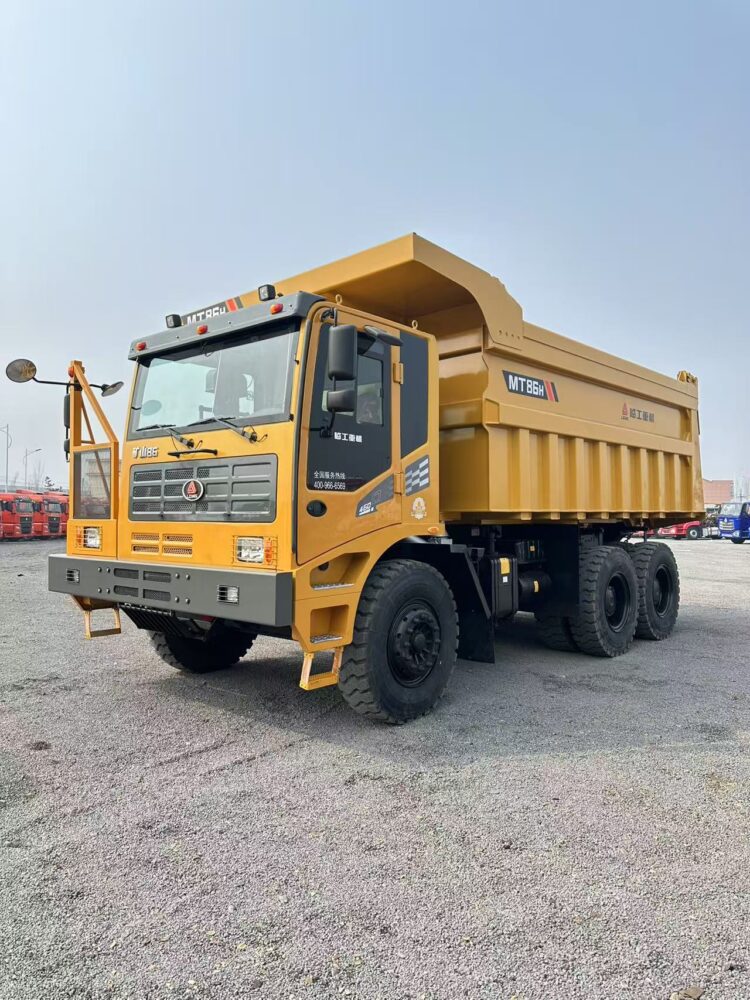
High-performance mining trucks and tractors for heavily-duty operations have become obligatory tools in the Bodoni mining manufacture, where the surmount of extraction and transit requires machines open of treatment extreme conditions. These vehicles are engineered to run in some of the harshest environments, long-suffering high stress, heavy scads, and long operational hours, all while maintaining performance and dependableness. The minelaying industry demands equipment that can not only carry vast amounts of stuff but also withstand the challenging terrains and climates often ground in mining sites heavy-duty mining dump trucks wholesale. As such, mining trucks and tractors must be armed with hi-tech technologies and robust components to control they meet the high standards set by manufacture professionals.

One of the key factors that contribute to the high performance of minelaying trucks and tractors is their ability to carry solid payloads. Mining trucks are often used for transporting extracted minerals, ores, and run off stuff over long distances. To help this, these trucks are equipped with big carrying capacities, ranging from 40 tons to over 400 tons used mining dump trucks for export to asia. The design of the truck s bed or dump body plays a considerable role in ensuring that these payloads are handled safely and expeditiously. Materials are loaded and dud quickly, minimizing downtime and maximising productiveness. The trucks are often premeditated with big tires and reinforced suspensions to resist the added angle and the rough out, uneven surfaces establish in minelaying sites.

Performance in extreme terrain is another crucial thoughtfulness. Many minelaying trading operations take aim in mountainous regions or remote control locations with poorly maintained roads. As such, mining trucks and tractors must be open of navigating through infuse inclines, muddy up terrain, and rocky surfaces. The sophisticated suspension systems of modern font minelaying trucks are premeditated to supply better stability and comfort even in the most thought-provoking landscapes. These systems help distribute the angle of the load , reduction wear and tear on the tires and , while also providing a smoother ride for operators. Enhanced adhesive friction verify systems see that these machines can move in effect in wet or loose soil conditions, preventing them from getting stuck in uncontrollable terrain.

Durability and potency are predominate for mining trucks and tractors, as these vehicles must withstand constant use in abrasive environments. Mining trucks are constructed with high-strength steel frames and strong bodies to fend damage from touch on, vibrations, and wear caused by the unpleasant operating conditions. The components of these machines, including the , transmission, and fluid mechanics, are premeditated for heavily-duty performance, with special aid to their underground to heat and dust. For exemplify, the engines of high-performance mining trucks are typically turbocharged, capable of producing several 1000 H.P., ensuring that the vehicles can handle both infuse gradients and heavily rafts without losing superpowe. Similarly, the fuel tanks are studied for extended operational periods without requiring patronise fueling, which is crucial in remote minelaying locations.

In plus to effectiveness, fuel is an epochal factor in for Bodoni font minelaying vehicles. Mining operations often run 24 7, with trucks and tractors workings for sprawly periods without rest. As such, fuel using up can become a substantial work cost. High-performance minelaying trucks are now being studied with fuel-efficient engines that reduce the total of fuel used up per hour of surgical operation. This is especially momentous for vauntingly-scale minelaying trading operations, where trucks can be running for days or even weeks at a time. Technologies such as loanblend powertrains, vitality recovery systems, and smooth enhancements are being enforced to meliorate fuel efficiency and lower operational costs.

Safety is another vital thoughtfulness in the design of mining trucks and tractors. Given the size and superpowe of these machines, the potency for accidents is always present. Advanced safety features are now incorporated into the plan of minelaying vehicles to protect both the operators and the itself. For example, modern minelaying trucks are armed with a variety of sensors and cameras that provide operators with real-time data on their milieu. This allows for greater visibleness, reducing the likeliness of collisions with other vehicles, , or obstacles in the orbit. Additionally, machine rifle braking systems are often installed to keep accidents in situations where the driver may be distrait or unable to respond in time. For the operators’ refuge, cabins are typically strengthened with roll-over tribute and weaponed with air , make noise reduction systems, and ergonomic seats to reduce jade during long shifts.

The Parousia of mechanisation and telematics has also significantly compact minelaying trucks and tractors. Automation in the form of autonomous haul systems has been introduced to optimize operations and reduce the risk of man wrongdoing. These systems allow minelaying trucks to operate autonomously, navigating the mine site and transporting materials without target manipulator interference. Telematics, which involves the use of GPS and onboard nosology, has revolutionized the way these vehicles are managed and retained. Operators and flit managers can remotely ride herd on the condition of the vehicles used heavy-duty mining dump trucks for sale, track fuel consumption, and receive notifications for scheduled sustenance, all of which contribute to cleared uptime and work efficiency.

Environmental concerns have also led to innovations in the plan of mining trucks and tractors. Emissions regulations are becoming more and more stringent, and mining companies are under forc to downplay their environmental footmark. As a result, many manufacturers are now development mining vehicles with cleaner, greener technologies. Electric and hybrid mining trucks, for example, are being introduced as alternatives to traditional diesel-powered machines. These vehicles not only produce few emissions but also reduce the resound pollution that is often associated with heavy mining trading operations. Battery-powered minelaying trucks, though still in the early on stages of borrowing, show great promise in reducing both work costs and situation bear on.

In conclusion, high-performance mining trucks and tractors are necessary for Bodoni mining trading operations, offer a blend of world power, durability, efficiency, and refuge. As the demands of the minelaying manufacture carry on to develop, manufacturers are responding with original solutions that allow minelaying vehicles to perform better, more expeditiously, and in a safer manner. The use of advanced materials, fuel-efficient technologies, mechanisation, and environmentally-friendly solutions is push the boundaries of what these machines can achieve. For mining companies, these innovations stand for not only improvements in work but also a step toward more sustainable and cost-effective minelaying practices. As the mining manufacture grows and develops, the role of these high-performance vehicles will continue to be pivotal in support the complex and exacting nature of heavily-duty operations.

The True Cost of Excavating a Site Reaching Tujuh Meter DeepThe True Cost of Excavating a Site Reaching Tujuh Meter Deep

0 Comment

Excavating a site to a depth of tujuh meter involves more than simply removing soil. Costs are influenced by engineering requirements, soil conditions, labor, equipment, safety measures, and environmental regulations. Understanding these factors is crucial for contractors, developers, and engineers when planning deep excavation projects. This article provides a detailed analysis of the financial and logistical aspects of deep site excavation.

Site Assessment and Geotechnical Studies

Before excavation begins, a comprehensive site assessment is necessary. Geotechnical studies evaluate soil type, compaction, groundwater levels, and stability.

Soil Type: Clay, sand, silt, and mixed soils each have different excavation challenges and equipment needs. Hard rock or dense clay can significantly increase excavation time and cost.

Groundwater Levels: Sites with high water tables may require dewatering systems to prevent flooding during excavation. Pumps, trenches, and drainage planning add to overall expenses.

Soil Stability: Analysis of slope stability and potential collapse risks informs shoring or retaining systems, which are crucial for worker safety and regulatory compliance.

Investing in early assessment prevents unexpected costs and delays during construction.

Equipment and Machinery Costs

Excavation to tujuh meter requires specialized machinery depending on soil conditions and project size.

Excavators and Backhoes: Standard equipment for medium-depth excavation. Costs vary based on size, fuel consumption, and rental versus purchase.

Bulldozers and Loaders: Used for bulk soil movement and site leveling. Larger machines increase efficiency but incur higher operational costs.

Cranes and Hoists: Needed for lifting materials or equipment from deep pits, particularly in urban or constrained sites.

Dewatering Pumps: In water-prone soils, pumps ensure dry working conditions. Rental, operation, and maintenance of pumps contribute to total expenditure.

Machinery selection impacts both the timeline and budget of excavation projects.

Labor Costs and Expertise

Deep excavation requires skilled labor for safety, efficiency, and regulatory compliance.

Operators and Technicians: Trained personnel operate heavy machinery, manage dewatering, and ensure excavation precision.

Engineers and Surveyors: Conduct measurements, monitor soil conditions, and design shoring systems.

Safety Personnel: Ensure compliance with occupational health standards, monitor air quality, and supervise confined space entry if applicable.

Labor costs increase with project complexity, specialized skill requirements, and extended timelines.

Shoring and Retaining Systems

Excavating tujuh meter exposes soil to potential collapse. Shoring and retaining structures prevent accidents and protect nearby infrastructure.

Sheet Piling: Steel or wooden sheets installed along the excavation perimeter provide lateral support.

Braced Excavation: Cross braces or struts reinforce trench walls, particularly in soft soils.

Sloped or Benched Excavation: In some cases, excavation walls are angled to reduce collapse risk.

These systems add significant material, labor, and installation costs but are necessary for legal and tujuh meter compliance.

Environmental and Regulatory Compliance

Excavation projects must adhere to environmental laws and construction regulations.

Erosion and Sediment Control: Measures like silt fences, sediment traps, and stabilization mats prevent soil runoff.

Noise and Dust Mitigation: Equipment with low emissions, dust suppression systems, and scheduling adjustments reduce environmental impact.

Permit Acquisition: Government permits for deep excavation, dewatering, or working near infrastructure often include application fees and compliance costs.

Non-compliance can result in fines or project delays, making early budgeting for environmental controls essential.

Material Disposal and Backfilling

Excavation generates large volumes of soil and rock that require handling.

Soil Removal: Transporting excavated material to designated disposal sites incurs trucking, tipping, and labor costs.

Recycling or Reuse: Some soil may be reused for landscaping or backfill, potentially reducing disposal expenses.

Backfilling: After construction, backfilling involves material, labor, and compaction to restore stability and support future structures.

Material management strategies impact the overall cost efficiency of deep excavation projects.

Safety and Risk Management

Safety is paramount in deep excavation, especially for trenches reaching tujuh meter.

Confined Space Measures: Oxygen monitoring, ventilation, and rescue protocols prevent accidents in deep or enclosed excavations.

Fall Protection: Barriers, harnesses, and signage protect workers near pit edges.

Monitoring and Contingency Plans: Continuous soil monitoring, pressure sensors, and emergency protocols reduce risk of collapse or flooding.

Insurance premiums, safety equipment, and training are included in the overall project cost.

Project Timeline and Delays

Deep excavation projects are susceptible to delays caused by weather, soil conditions, equipment availability, or regulatory inspections. Extended timelines increase labor, equipment rental, and overhead costs. Proper scheduling, contingency planning, and risk assessment help control unforeseen expenditures.

Case Studies and Cost Estimates

Real-world excavation projects demonstrate the range of costs for tujuh meter deep sites. Urban construction may see higher costs due to limited access, utility relocation, and stricter safety regulations. In contrast, rural or undeveloped sites may have lower material and labor costs but could require more dewatering or soil stabilization.

Average estimates for deep excavation projects include:

  • Geotechnical studies: 5-10% of total budget

  • Equipment and machinery: 30-40% of total budget

  • Labor: 25-35% of total budget

  • Shoring and safety systems: 10-20% of total budget

  • Environmental compliance and disposal: 5-10% of total budget

Costs vary widely depending on site conditions, project complexity, and local regulations.

Strategic Planning for Cost Efficiency

Reducing costs without compromising safety requires careful planning:

Early Soil Testing: Prevents unexpected excavation challenges.

Optimized Equipment Use: Matching machinery to site requirements reduces idle time and fuel consumption.

Reusing Excavated Material: Cuts down disposal costs and provides usable backfill.

Phased Excavation: Staggering excavation and construction phases reduces labor peaks and equipment overload.

Effective planning ensures that projects remain within budget while maintaining safety and structural integrity.

บทถัดไป ของ รถยนต์ นวัตกรรม: วิธีที่ ใช้แบตเตอรี่ และ ขับเคลื่อนอัตโนมัติ รถ คือ ปรับเปลี่ยน การเดินทางบทถัดไป ของ รถยนต์ นวัตกรรม: วิธีที่ ใช้แบตเตอรี่ และ ขับเคลื่อนอัตโนมัติ รถ คือ ปรับเปลี่ยน การเดินทาง

อุตสาหกรรมยานยนต์ของประเทศไทย มีบทบาทสำคัญต่อเศรษฐกิจของประเทศ ที่มีบทบาทสำคัญในการขับเคลื่อนการเติบโตของประเทศมายาวนานกว่า 60 ปี ไทยถูกเรียกว่า “ดีทรอยต์แห่งเอเชีย” เนื่องจากเป็นฐานการผลิตยานยนต์รายใหญ่ที่สุดในภูมิภาคเอเชียตะวันออกเฉียงใต้ มีทั้งโรงงานประกอบรถยนต์และรถจักร filmheatgard.com รวมถึงการผลิตชิ้นส่วนยานยนต์แบรนด์ดัง ทั้งจากญี่ปุ่น ยุโรป และสหรัฐอเมริกา และสร้างโอกาสงานให้แรงงานไทยหลายหมื่นคน และยังเป็นแรงผลักดันสำคัญในการพัฒนาเทคโนโลยีและทักษะของแรงงานในประเทศ

ถึงกระนั้น อุตสาหกรรมยานยนต์ของไทยกำลังอยู่ในช่วงหัวเลี้ยวหัวต่อครั้งสำคัญ เพราะกระแสพลังงานสะอาดและความตระหนักด้านสิ่งแวดล้อมมีผลต่ออุตสาหกรรมอย่างชัดเจน รถยนต์ไฟฟ้า (Electric Vehicle – EV) กำลังกลายเป็นทางเลือกใหม่ เนื่องจากเป็นเทรนด์สำคัญเพื่อลดผลกระทบต่อสิ่งแวดล้อม รัฐบาลไทยได้ตั้งนโยบาย “30@30” ซึ่งมุ่งหวังให้ไทยเป็นศูนย์กลางการผลิตรถไฟฟ้า ซึ่งภายในปี 2030 ต้องการให้รถไฟฟ้า占 30% ของการผลิตทั้งหมด ถือเป็นโจทย์ใหญ่สำหรับผู้ผลิตไทยในการปรับตัว

นอกจากนี้ ผู้บริโภคชาวไทยก็เริ่มให้ความสนใจยานยนต์ไฟฟ้ามากขึ้นอย่างเห็นได้ชัด ด้วยราคาน้ำมันที่มีความผันผวนสูงและการตระหนักถึงสิ่งแวดล้อมที่เพิ่มขึ้น ส่งผลให้ตลาดรถพลังงานทางเลือกเติบโตอย่างรวดเร็ว ทั้งรถยนต์ไฟฟ้าแบบแบตเตอรี่ (BEV) และแบบไฮบริด (HEV) อีกทั้งการสนับสนุนจากรัฐ เช่น การลดภาษี การให้สิทธิประโยชน์ทางการเงิน และการสร้างสถานีชาร์จไฟ ทำให้ตลาดขยายตัวอย่างรวดเร็ว

อีกด้านหนึ่ง นวัตกรรมยานยนต์ไม่ได้จำกัดแค่พลังงานไฟฟ้า แต่ยังรวมถึงระบบการขับขี่อัตโนมัติ (Autonomous Driving) การเชื่อมต่ออินเทอร์เน็ตในรถ (Connected Car) และระบบความปลอดภัยอัจฉริยะที่ใช้ปัญญาประดิษฐ์เข้ามาช่วยในการตัดสินใจ เทคโนโลยีเหล่านี้จะเปลี่ยนประสบการณ์การขับขี่อย่างสิ้นเชิง รถยนต์ไม่ได้เป็นแค่ยานพาหนะ แต่กลายเป็นส่วนหนึ่งของเทคโนโลยีดิจิทัล

สำหรับไทย การปรับตัวสู่รถยนต์ยุคใหม่อย่างยั่งยืน ไม่ใช่แค่การลงทุนจากต่างชาติ แต่ยังต้องอาศัยการพัฒนาทักษะของแรงงานไทย การสนับสนุนจากสถาบันการศึกษาในการวิจัยและนวัตกรรม ตลอดจนการร่วมมือระหว่างภาครัฐและเอกชนในการสร้างระบบนิเวศที่เหมาะสม ถ้าไทยปรับตัวได้อย่างรวดเร็ว อุตสาหกรรมยานยนต์ไทยจะยังเป็นผู้นำในภูมิภาคและพร้อมสำหรับอนาคต

Złomowanie Pojazdów Katowice – Ekspresowa , Bezpieczna I Przyjazna środowisku Kasacja AutZłomowanie Pojazdów Katowice – Ekspresowa , Bezpieczna I Przyjazna środowisku Kasacja Aut

0 Comment


W dynamicznie rozwijającym sięW tętniącym życiemW prężnie działającym} mieście, jakim są Katowice, kierowcy często stają przed problemem, co zrobić z samochodem, który nie nadaje się do jazdy Złomowanie pojazdów Śląsk. Skup aut złomowanie Katowice to praktyczna opcja dla tych, którzy chcą pozbyć się starego auta w sposób sprawny, zgodny z prawem i przyjazny środowisku. Bez różnicy, czy posiadasz wysłużoną ciężarówkę, złomowanie pojazdów Śląsk oferuje kompleksową usługę. W tym artykule omówimy, dlaczego auto złom Śląsk jest tak atrakcyjne wśród mieszkańców regionu, jakie zalety niesie kasacja pojazdu Katowice, oraz jak lokalne firmy ułatwiają proces kierowcom.

Katowice, jako serce Górnego Śląska, to miasto, gdzie ulice tętnią życiem. W takiej rzeczywistości stare, niesprawne pojazdy stają się problemem, zajmując miejsce na parkingach i generując potencjalne kary za brak rejestracji. Złomowanie pojazdów Mikołów to usługa, która łączy wygodę z odpowiedzialnością. Wyobraź sobie: Twój pojazd po wypadku nie nadaje się do naprawy. Zamiast szukać kupca, wystarczy zgłosić auto do firmy specjalizującej się w złomowaniu pojazdów Katowice. Pracownicy przyjadą pod wskazany adres – czy w pobliskim Mikołowie – i zajmą się wszystkim. Skup samochodów złomowanie Katowice oferuje bezpłatny transport, nawet jeśli auto jest w stanie wraku.

Usługa kasacji jest zaprojektowana dla wygody. Po zgłoszeniu telefonicznym, firma wysyła przedstawiciela, który ocenia stan pojazdu. Niezależnie od tego, czy to auto osobowe, dostawcze czy ciężarowe, kasacja pojazdu Katowice przyjmuje każdy typ pojazdu. Wycena uwzględnia rok produkcji i użyteczne części, a ceny zazwyczaj wahają się między 200 a 600 złotych za standardowe auto osobowe, z bonusem za cenne elementy, jak silnik, skrzynia biegów. Po akceptacji oferty auto jest zabierane, a Ty otrzymujesz pieniądze od razu oraz dokument kasacji. Ten dokument jest niezbędny, by wyrejestrować auto, co chroni przed kłopotami z urzędem. W Katowicach, gdzie straż miejska działa aktywnie, auto złom Katowice to bezpieczeństwo formalne.

Ekologia to kluczowy aspekt usług takich jak złomowanie samochodu Katowice. Unia Europejska wymaga, by większość auta zostało przetworzone, aby zminimalizować odpady. Profesjonalne stacje demontażu w na Śląsku spełniają te normy, chroniąc środowisko. Skup samochodów złomowanie Katowice to proces, w którym niebezpieczne materiały są bezpiecznie usuwane. Metale trafiają do hut, a użyteczne części, jak silniki, fotele, są sprzedawane na rynku wtórnym. Z tego powodu recykling jednego samochodu oszczędza energię nawet o 1-2 tony. W regionie, gdzie smog jest problemem, złomowanie pojazdów Katowice wspiera lokalne inicjatywy, takie jak działania na rzecz czystszego powietrza.

Co sprawia, że warto postawić na skupu aut złomowanie Katowice zamiast sprzedaży prywatnej? Po pierwsze, szybkość – firmy w Katowicach działają przez całą dobę, a od zgłoszenia do zakończenia procesu mija zazwyczaj mniej niż 24 godziny. Kolejna zaleta to komfort – laweta przyjeżdża za darmo. Po trzecie, legalność – certyfikowane stacje, jak te przy ul. Gen. Jankego, dostarczają oficjalne papiery. W odróżnieniu od nielegalnych szrotów, auto złom Śląsk zapewnia, że auto nie trafi na nielegalny obrót. Niektóre firmy oferują też gwarancję na części, jeśli pojazd ma wartościowe elementy.

Procedura kasacji zaczyna się od zgłoszenia online. Wystarczy zadzwonić pod numer, np. 888-820919, a przedstawiciel ustali szczegóły. Po przyjeździe lawety następuje kontrola formalności – papierów auta. Następnie samochód jest rozbierany, gdzie fachowcy przystępują do pracy. Sprawne elementy są odnawiane, a reszta pojazdu jest rozbierana: plastiki segregowane. To podejście zapewnia, że nic nie marnuje się. Stal może zostać przekuta, wspierając gospodarkę obiegu zamkniętego na Śląsku.

Katowice, z przeszłością górniczą, mają odpowiednie warunki do złomowania pojazdów Katowice. Lokalne firmy, jak Olmet, dysponują profesjonalnym sprzętem, gdzie proces jest efektywny. Mieszkańcy cenią szybkość – opinie w internecie chwalą błyskawiczną reakcję. Jeden z klientów napisał: „Zadzwoniłem przed południem, a w kilka godzin załatwione, z pieniędzmi na koncie.” To odróżnia skup aut złomowanie Katowice od nielegalnych punktów, które mogą narazić na kłopoty.

Troska o naturę kasacji pojazdów Śląsk jest szczególnie istotny w regionie, gdzie jakość powietrza wymaga poprawy. Programy takie jak lokalne inicjatywy ekologiczne promują zielone rozwiązania. Kasacja pojazdu Katowice współpracuje z zakładami w Zabrzu, tworząc ekologiczne procesy. Każdy pojazd przetworzony w ten sposób to krok w stronę czystszego powietrza. Firmy takie jak Kamasc w Mysłowicach edukują klientów, pokazując, jak auto złom Katowice wpływa na zdrowsze lasy.

Wybierając firmę do złomowania pojazdów Mikołów, warto sprawdzić certyfikaty. Firma powinna być zarejestrowana Marszałka Województwa Śląskiego, co gwarantuje zgodność z prawem. Renomowane firmy oferują transparentne ceny, a auto złom Śląsk to spokój ducha, że Twoje auto nie trafi na nielegalny szrot.

Złomowanie samochodu Katowice to praktyczne podejście – to sposób na oszczędność czasu. Niezależnie od tego, gdzie mieszkasz, auto złom Katowice pozwala zamknąć rozdział. To synergia nowoczesności i ekologii regionu z zieloną przyszłością. Jeśli masz auto do kasacji, skontaktuj się z lokalną firmą i przekonaj się, jak prosto można to załatwić. W Katowicach, gdzie przyszłość spotyka tradycję, kasacja pojazdu Katowice to krok w stronę zrównoważonej przyszłości.

How Temperature Affects Plastic Bumpers During RemovalHow Temperature Affects Plastic Bumpers During Removal

At first glance removing a bumper may look like a simple job yet in reality it often becomes a real challenge. Car manufacturers rarely rely on just visible bolts and screws. They also use hidden clips and fasteners that lock the bumper tightly in place. If you are not familiar with their location you risk wasting time or even damaging the plastic. Our website solves this problem by offering a unique catalog of bumper removal instructions. It provides accurate guidance for more than one thousand two hundred car models and helps you complete the work without stress or mistakes.

The guides are designed to be clear and practical. Each one offers step by step descriptions with photographs and diagrams that highlight the exact location of every fastener. Both front and rear bumpers are covered so you always know what to expect before you begin. The catalog includes popular brands such as Toyota Honda Ford Chevrolet BMW Audi and Mercedes along with many others. Whether you drive a compact hatchback a family sedan or a luxury SUV you will find precise information tailored to your vehicle. These carefully prepared instructions allow you to remove bumpers quickly and safely while protecting paint and bodywork.

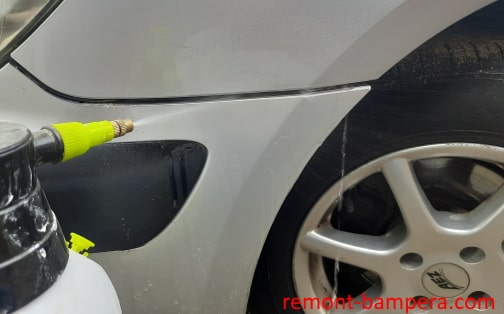
Alongside model specific manuals we also share universal rules that apply to most cars. These tips come from years of practical work and are designed to prevent common mistakes. Lubricating bolts before unscrewing makes them easier to remove. Wetting clips with plain water reduces friction and lowers the risk of breaking. Cleaning seams before pulling the bumper helps avoid plastic deformation. Protecting fender edges with painter’s tape prevents scratches. Even the choice of working conditions matters since cold plastic can crack while extreme heat can cause distortion. These simple steps save both time and money while giving you professional results.

The catalog also explains how to handle additional details that owners often overlook. Countersunk screws in wheel arches should be cleaned before removal to avoid stripping. If your vehicle is equipped with headlight washers it is wise to keep a small container ready when disconnecting hoses. Splash guards should always be secured if you plan to drive without the bumper for a while. Large bumpers are easier to handle with a partner which reduces the risk of damage during disassembly. By following these recommendations you work more confidently and protect your car from unnecessary harm.

Our https://remont-bampera.com/en/ is built for convenience. To get started you simply choose the brand of your car then select the model and year. Within seconds the system delivers the right guide complete with illustrations and explanations. The catalog is updated regularly to include new vehicles and to improve existing manuals. In addition to bumper removal you will also find advice on repairing fenders polishing restoring plastic and even painting. Everything is organized in a clean structure so you do not have to waste time searching. With this resource you have a full library of knowledge for maintaining your car body parts.

We invite you to visit the catalog today and see how easy bumper removal can be when you have the right guidance. Every article is based on real experience and tested methods. Instead of guessing or risking damage you can rely on clear instructions and practical tips. Whether you are a beginner or a professional you will benefit from the detailed information we provide. Join thousands of car owners who already use our resource to save time avoid mistakes and gain confidence in their repair work. With our help automotive maintenance becomes simpler and more affordable for everyone.