
Glass doors have become a staple in modern architecture, interior design, and even office layouts. They create a sense of openness, elegance, and sophistication while allowing natural light to flow through spaces.
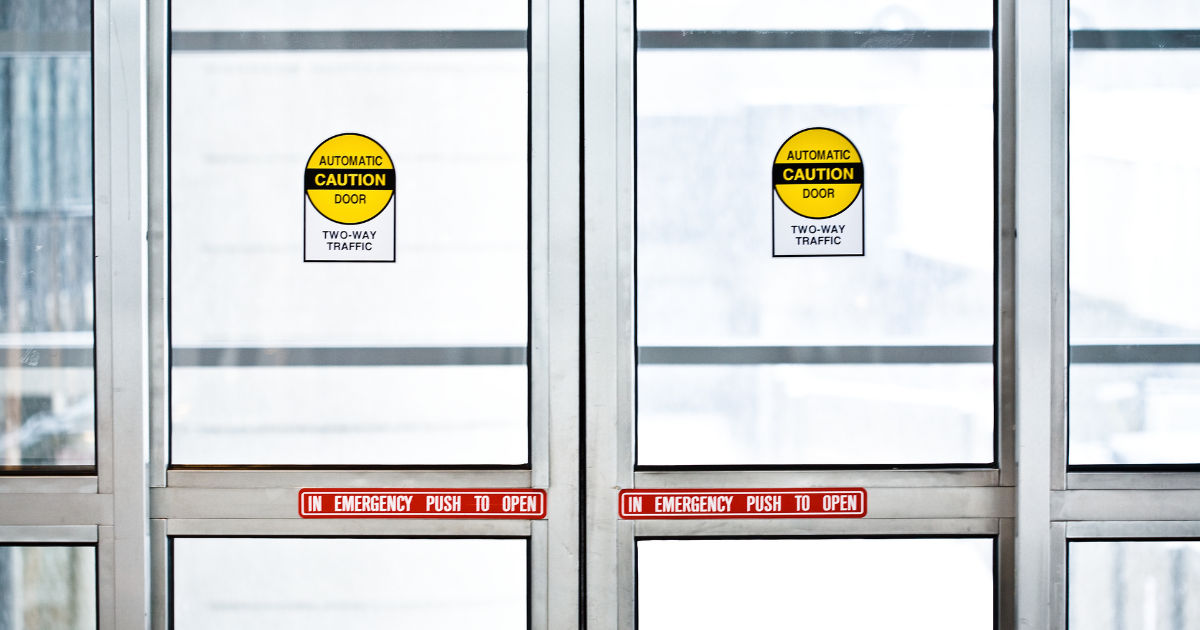
However, the smooth operation of glass doors largely depends on the type of glass door tracks used. Selecting the right track is crucial for functionality, durability, and overall aesthetics.
In this guide, we will explore the various types of glass door tracks, their features, installation processes, and considerations to help you make an informed decision with the quality solutions offered by akbari glass
Glass Door Tracks
Before diving into the types, it’s essential to understand what glass door tracks are and why they matter. Simply put, glass door tracks are the channels or pathways that guide the movement of sliding, folding, or swinging glass doors. They can be mounted on floors, ceilings, or walls, depending on the door design.
A well-chosen track ensures smooth sliding, prevents wear and tear, and contributes to the door’s stability. Tracks also play a vital role in safety, as poorly designed tracks can lead to accidents or door damage over time.
Types of Glass Door Tracks
There are several types of glass door tracks, each designed for specific applications. Choosing the right track depends on your door size, weight, and the frequency of use. Below, we explore the most common options.
1. Top-Mounted Glass Door Tracks
Top-mounted tracks are installed on the ceiling or upper frame of the door opening. The glass door hangs from rollers attached to this track, allowing it to glide smoothly.
Advantages:
-
Minimal floor obstruction
-
Ideal for large or heavy glass panels
-
Sleek and modern appearance
Considerations:
-
Requires a strong ceiling or overhead structure
-
Installation can be more complex than floor-mounted tracks
2. Bottom-Mounted Glass Door Tracks
Bottom-mounted tracks are attached to the floor and guide the glass door along a fixed path. This type is commonly used for residential sliding doors, shower doors, and partitions.
Advantages:
-
Easy to install
-
Provides additional stability for lightweight doors
-
Can be paired with top guides for enhanced smoothness
Considerations:
-
Track may accumulate dust and debris
-
Slightly more visible than top-mounted options
3. U-Channel Tracks
U-channel tracks are a specific type of bottom-mounted track. The glass panel fits snugly into the U-shaped channel, which provides stability and prevents wobbling.
Advantages:
-
Excellent for frameless glass doors
-
Low-maintenance and durable
-
Works well for smaller, lighter doors
Considerations:
-
Not suitable for very heavy or large doors
-
Limited to specific design aesthetics
4. Pocket Door Tracks
Pocket door tracks allow glass doors to slide into a wall cavity, creating a seamless and space-saving design. These tracks are hidden from view once the door is fully opened.
Advantages:
-
Saves space in tight areas
-
Provides a clean, minimalist look
-
Ideal for interior partitions or bathrooms
Considerations:
-
Requires wall modification for installation
-
More expensive and complex than standard tracks
5. Barn Door Tracks
Inspired by traditional barn doors, these tracks are mounted above the door opening and are often exposed, making them a design feature.
Advantages:
-
Stylish and decorative
-
Supports large and heavy glass doors
-
Easy to maintain
Considerations:
-
Requires strong mounting surfaces
-
May not suit all interior styles
6. Double-Track Systems
Double-track systems allow two glass doors to slide past each other, making them ideal for wide openings. These systems can be top-mounted, bottom-mounted, or a combination of both.
Advantages:
-
Accommodates wide door openings
-
Smooth overlapping sliding motion
-
Versatile for residential and commercial use
Considerations:
-
Slightly more expensive than single-track systems
-
Requires precise alignment for optimal performance
Materials Used in Glass Door Tracks
Glass door tracks come in different materials, each offering distinct benefits. The most common materials include:
1. Aluminum Tracks
Aluminum is lightweight, durable, and resistant to corrosion, making it an ideal choice for both indoor and outdoor applications.
Benefits:
-
Low maintenance
-
Easy to cut and install
-
Modern, sleek look
2. Stainless Steel Tracks
Stainless steel is stronger than aluminum and ideal for heavy-duty glass doors. It resists rust and adds a polished, premium appearance.
Benefits:
-
Excellent for heavy glass doors
-
Long-lasting durability
-
Attractive finish
3. PVC or Plastic Tracks
PVC tracks are commonly used for lightweight glass doors, such as shower enclosures. They are cost-effective and easy to install but not suitable for large, heavy panels.
Benefits:
-
Affordable
-
Easy to replace
-
Resistant to moisture
4. Brass or Bronze Tracks
Brass and bronze tracks are chosen for their aesthetic appeal, especially in classic or vintage interiors. These metals offer both durability and style but are more expensive than aluminum or PVC.
Benefits:
-
Elegant appearance
-
Long-lasting
-
Resistant to corrosion
Factors to Consider When Choosing Glass Door Tracks
Selecting the right glass door tracks involves more than just picking a type or material. Several factors should guide your decision:
1. Door Size and Weight
The heavier and larger the glass door, the sturdier the track should be. For heavy doors, stainless steel or reinforced aluminum tracks are recommended. Lightweight doors can use PVC or aluminum tracks.
2. Frequency of Use
High-traffic areas, like office partitions, require tracks that can handle frequent sliding without wear. Industrial-grade or heavy-duty tracks are best suited for these situations.
3. Installation Environment
Consider whether the track will be installed indoors or outdoors. Outdoor tracks should be corrosion-resistant, while indoor tracks can prioritize design aesthetics.
4. Aesthetic Appeal
Glass doors are often chosen for their visual impact, so the track’s appearance should complement the overall design. Exposed tracks can add style, while hidden tracks provide a clean look.
5. Maintenance Requirements
Tracks can accumulate dust and debris over time, affecting smooth sliding. Consider materials and designs that are easy to clean and maintain.
Installation Tips for Glass Door Tracks
Proper installation is crucial to ensure longevity and smooth operation of glass door tracks. Here are some tips:
-
Measure Precisely: Accurate measurements ensure the door fits perfectly within the track.
-
Check Leveling: Both top and bottom tracks should be level to prevent the door from sliding unevenly.
-
Use Proper Hardware: Use screws, brackets, and rollers recommended by the track manufacturer.
-
Lubricate When Needed: Some tracks benefit from occasional lubrication to reduce friction.
-
Secure Wall or Ceiling: Ensure that the mounting surface can support the door’s weight.
Common Problems and Solutions
Even high-quality tracks may face issues over time. Here are some common problems and how to fix them:
1. Sticking or Rough Sliding
-
Cause: Dirt, debris, or misalignment
-
Solution: Clean the track, check alignment, and lubricate rollers if necessary
2. Squeaking Noise
-
Cause: Dry rollers or metal-on-metal friction
-
Solution: Apply silicone-based lubricant or replace worn rollers
3. Door Misalignment
-
Cause: Loose screws or uneven installation
-
Solution: Tighten all hardware and ensure the track is level
4. Track Damage
-
Cause: Excessive force or heavy doors on lightweight tracks
-
Solution: Upgrade to a more durable track system
Popular Applications of Glass Door Tracks
Glass door tracks are versatile and used in various settings:
-
Residential: Shower doors, patio doors, and interior partitions
-
Commercial: Office dividers, conference rooms, and storefronts
-
Hospitality: Hotels, restaurants, and event spaces
-
Industrial: Warehouses and display areas
Benefits of Choosing the Right Glass Door Tracks
Selecting the appropriate track system offers multiple benefits:
-
Smooth and quiet operation
-
Enhanced door lifespan
-
Improved safety and stability
-
Aesthetic enhancement
-
Low maintenance and durability
Conclusion
Choosing the right glass door tracks is essential for both functionality and style. With options like top-mounted, bottom-mounted, U-channel, pocket, barn, and double-track systems, there is a suitable track for every application. The material—aluminum, stainless steel, PVC, or brass—further impacts performance and appearance.
Proper installation, regular maintenance, and careful consideration of factors such as door weight, usage frequency, and aesthetics will ensure that your glass doors operate smoothly for years. Whether for a home, office, or commercial space, investing in high-quality glass door tracks guarantees both reliability and elegance.
Understanding these options empowers you to make an informed choice, providing a balance of functionality, style, and safety for your glass doors.