
Installing a baby seat cooler correctly is essential for your child’s comfort and safety, especially in hot weather conditions where overheating can become a serious concern.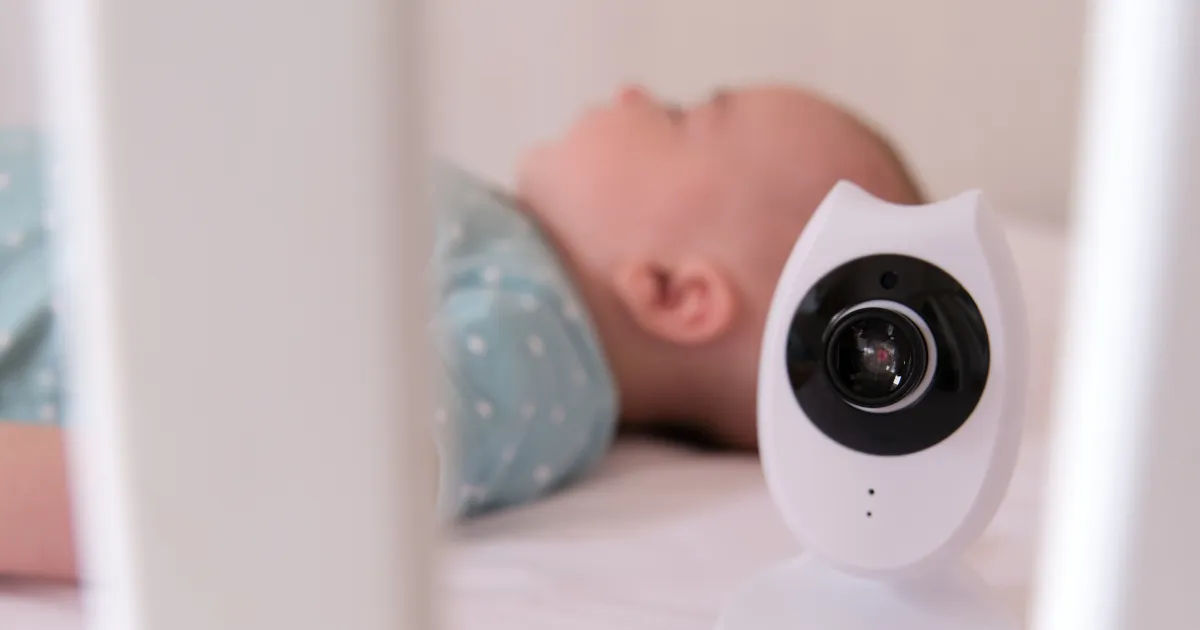
Many parents today are also using a Smart baby monitor to track temperature, movement, and overall comfort while their baby is seated, making modern childcare more reliable and data-driven.
A properly installed cooling system ensures that airflow is balanced, the seat remains stable, and the baby is not exposed to any mechanical or thermal risks.A Smart baby monitor can further support parents by providing real-time alerts if the baby seat area becomes too warm or if the baby shows signs of discomfort.
When combined with a properly installed baby seat cooler, it creates a safer and more controlled environment. In this guide, you will learn step-by-step how to install a baby seat cooler correctly, avoid common mistakes, and maintain it for long-term use.
We will also discuss how a Smart baby monitor complements safety systems in modern baby gear setups. By the end of this article, you will understand everything needed for correct installation and safe daily use.
Understanding a Baby Seat Cooler
A baby seat cooler is a device designed to regulate temperature around a baby seated in a car seat, stroller, or home seating system. It improves airflow, reduces heat buildup, and helps prevent sweating or discomfort during warm weather.
Parents often pair it with a Smart baby monitor to ensure continuous environmental tracking. While the cooler maintains physical comfort, the monitor tracks conditions like temperature and humidity.
A Smart baby monitor is especially helpful in enclosed environments like cars, where heat can rise quickly. When used together with a baby seat cooler, it creates a safer, more stable comfort system.
Why Proper Installation Matters
Incorrect installation of a baby seat cooler can lead to airflow imbalance, poor cooling performance, or even safety hazards. The position of airflow vents, wiring, and attachments must be secure.
A Smart baby monitor can help detect unusual temperature spikes caused by incorrect installation. If the cooler is not functioning properly, the monitor may alert parents to unsafe conditions.
Proper installation ensures:
- Even air distribution
- Secure attachment to the seat
- No interference with seat belts or harnesses
- Safe airflow that does not directly hit the baby’s face
A Smart baby monitor also helps ensure that the baby remains comfortable even during long travel durations.
Tools and Materials You Need
Before installing a baby seat cooler, gather all required tools and components:
- Baby seat cooler unit
- Power adapter or battery pack
- Mounting straps or clips
- Instruction manual
- Cleaning cloth
- Screwdriver (if required)
- Cable organizers
Parents using a Smart baby monitor should also ensure the monitor is already set up and connected, as it may help during installation testing.
A Smart baby monitor can help you test temperature changes once the cooler is installed, ensuring proper airflow distribution.
Step-by-Step Installation Guide
Step 1: Choose the Correct Seat Position
Start by identifying the correct baby seat location. Whether it’s a car seat or stroller, ensure it is stable and properly locked.
A Smart baby monitor can help you evaluate the surrounding temperature before installation begins, ensuring you start with accurate environmental data.
Make sure:
- The seat is upright and secure
- There is enough space for airflow attachments
- No obstruction is blocking ventilation
A Smart baby monitor can also alert you if the seat area becomes too warm during setup.
Step 2: Position the Baby Seat Cooler
Place the cooler unit behind or beneath the seat depending on its design. Most coolers are designed to sit at the back for airflow circulation.
Ensure that:
- Air vents are not blocked
- The unit is aligned properly
- The cooler is stable and does not tilt
A Smart baby monitor helps verify whether temperature distribution is even after positioning.
Step 3: Secure the Mounting System
Use straps or clips provided with the baby seat cooler. Attach them tightly but not excessively, as over-tightening may damage the seat fabric.
A Smart baby monitor can help ensure that no vibrations or movements affect the cooler’s placement during use.
Check for:
- Firm attachment
- No loose edges
- No interference with seat harness
A Smart baby monitor may also alert you if movement is detected during early testing.
Step 4: Connect the Power Source
Depending on the model, connect the cooler to:
- Car power outlet
- Portable battery pack
- Home electrical socket
Ensure cables are safely routed and not exposed where the baby can reach them.
A Smart baby monitor is useful here to ensure the baby is not exposed to heat from cables or devices.
Double-check:
- Secure cable placement
- No overheating plugs
- Stable power connection
A Smart baby monitor can help track any abnormal temperature increase caused by power issues.
Step 5: Test Airflow and Temperature
Turn on the baby seat cooler and observe airflow patterns. The air should circulate gently around the seat without directly blowing into the baby’s face.
A Smart baby monitor can be used to measure temperature changes in real-time during testing.
Look for:
- Balanced airflow
- Reduced seat temperature
- No noise or vibration issues
A Smart baby monitor ensures you have accurate feedback about the baby’s environment.
Step 6: Final Safety Check
Before placing the baby in the seat, perform a full safety check.
- Confirm seat stability
- Check cooler attachment
- Ensure wiring safety
- Verify airflow direction
A Smart baby monitor can act as a secondary safety layer by tracking environmental conditions continuously.
Common Installation Mistakes to Avoid
Even small mistakes can affect performance and safety. Here are common errors:
Blocking Air Vents
Do not place cushions or blankets over vents. This restricts airflow.
A Smart baby monitor may detect rising temperature if airflow is blocked.
Loose Straps
Loose mounting can cause vibrations or movement during travel.
A Smart baby monitor helps identify instability through motion tracking alerts.
Incorrect Power Usage
Using incompatible power sources can damage the unit.
A Smart baby monitor can help detect overheating conditions early.
Overcooling the Seat
Too much cooling can make the baby uncomfortable.
A Smart baby monitor ensures temperature remains within safe limits.
Safety Guidelines for Daily Use
Safety should always come first when using baby seat coolers.
- Never leave cables exposed
- Always check temperature before placing the baby
- Avoid direct airflow on the baby’s face
- Keep the system clean and dust-free
A Smart baby monitor provides continuous monitoring, helping parents react quickly to changes.
Many parents rely on a Smart baby monitor to ensure their baby remains safe during long journeys.
Maintenance Tips for Long-Term Performance
Proper maintenance extends the lifespan of your baby seat cooler.
Regular Cleaning
Dust and debris can block airflow. Clean vents weekly.
A Smart baby monitor can alert you if temperature changes suggest reduced performance.
Inspect Wiring
Check cables for wear and tear.
A Smart baby monitor may help detect abnormal heat caused by damaged wires.
Check Mounts
Ensure straps remain tight and secure over time.
A Smart baby monitor can detect unusual movement patterns.
Using Baby Seat Cooler for Travel
Travel conditions often change rapidly, making proper cooling essential.
A Smart baby monitor is extremely useful during travel because it provides real-time environmental updates.
Tips for travel:
- Pre-cool the seat before placing the baby
- Keep backup power ready
- Monitor temperature frequently
- Avoid direct sunlight exposure
A Smart baby monitor ensures parents stay informed even while driving.
Many families combine travel setups with a Smart baby monitor for added peace of mind.
Troubleshooting Common Issues
Weak Airflow
Check for blocked vents or low power.
A Smart baby monitor may show rising temperature if airflow is weak.
Excess Noise
Loose installation or fan issues may cause noise.
A Smart baby monitor helps identify discomfort signals indirectly through environment tracking.
Uneven Cooling
Reposition the unit for balanced airflow.
A Smart baby monitor helps verify temperature consistency.
Benefits of Correct Installation
Correct installation ensures:
- Maximum comfort
- Improved safety
- Better energy efficiency
- Reduced overheating risk
A Smart baby monitor enhances these benefits by providing real-time data and alerts.
Parents who properly install their systems and use a Smart baby monitor often experience greater peace of mind during daily use.
Final Safety Checklist
Before every use:
- Seat is secure
- Cooler is stable
- Airflow is balanced
- No exposed wires
- Temperature is safe
A Smart baby monitor acts as a final verification tool before placing the baby inside.
Conclusion
Installing a baby seat cooler correctly is not just about comfort—it is about safety, stability, and long-term reliability. When properly installed, the system ensures that your baby remains cool, comfortable, and protected in different environments.
Throughout this guide, we explored step-by-step installation methods, safety checks, maintenance routines, and troubleshooting tips. We also highlighted how a Smart baby monitor enhances safety by providing real-time environmental tracking and alerts, making it an essential companion for modern parenting.
By combining proper installation techniques with consistent monitoring through a Smart baby monitor, parents can create a secure and comfortable seating environment for their child in any situation.
A Smart baby monitor is not just an accessory—it is a support system that improves awareness and confidence in childcare decisions. With correct setup and regular maintenance, your baby seat cooler will perform efficiently and safely for years.