
In today’s digital world, businesses need fast and reliable communication systems. One such system that helps millions connect every day is WhatsApp.
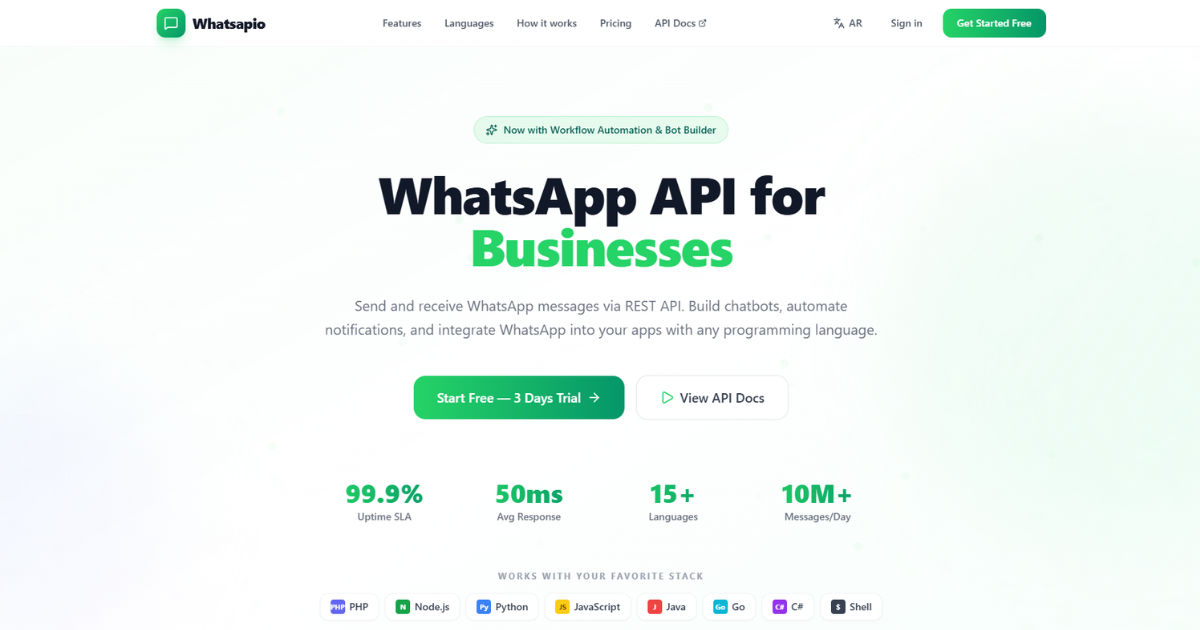 But how does the WhatsApp API communication system work? In this comprehensive guide, we will explain in detail how the WhatsApp API works, why businesses choose a whatsapp api provider, and how this API communication system can improve customer engagement.
This blog post is easy to read for a 12th grade audience and will help you understand the complex system behind WhatsApp’s API.
Using a whatsapp api provider allows companies to send messages, alerts, and notifications to customers at scale. Unlike regular WhatsApp used on phones, the WhatsApp API is designed for businesses. A whatsapp api provider helps companies integrate WhatsApp into their systems without having to build everything from scratch.
Whether it is customer support, order confirmations, or delivery updates, a whatsapp api provider plays a key role in making sure messages are delivered quickly and securely.
This guide will break down the WhatsApp API communication process, explain the technical details in simple language, discuss key features, show real-world use cases, and provide a clear conclusion. By the end, you will understand why so many businesses choose a whatsapp api provider to improve their communication and interaction with customers.
What is the WhatsApp API?
The WhatsApp API is a tool that allows businesses to communicate with customers using WhatsApp automatically and in large volumes. Instead of sending messages manually on a phone, a business uses software that connects to the WhatsApp API. A whatsapp api provider helps make this possible by offering a ready-made connection that companies can plug into their systems.
The API stands for Application Programming Interface. It acts like a bridge between a company’s computer system and WhatsApp’s messaging service. A whatsapp api provider supplies this bridge, so businesses do not need to build it themselves.
The WhatsApp API helps send:
- Order confirmations
- Shipping updates
- Support responses
- Chatbot replies
- Appointment reminders
In each case, a whatsapp api provider makes sure that the message sent from the business’s system reaches the customer’s WhatsApp app.
Why Do Businesses Need a WhatsApp API Provider?
Most businesses do not have the technical resources to build a connection to WhatsApp on their own. WhatsApp does not allow direct connection for bulk messaging without using its official API. That’s where a whatsapp api provider comes in.
A whatsapp api provider helps businesses:
- Integrate WhatsApp with existing software
- Automate message sending
- Track message delivery status
- Manage incoming and outgoing messages
- Ensure secure and reliable message communication
Without a whatsapp api provider, a business would struggle to set up this system. The provider takes care of technical requirements, security compliance, and connection to WhatsApp’s servers. This makes it easier for businesses to focus on their customers, instead of technology.
How the WhatsApp API Communication System Works
To understand how WhatsApp API communication works, let’s break it into simple steps. The process involves several parts, including a business system, a whatsapp api provider, WhatsApp servers, and the customer’s WhatsApp app.
1. Business System Sends a Request
A business wants to send a message to a user. For example, a delivery company wants to send a shipping update.
The business’s system creates the message and sends it to the whatsapp api provider. The message includes details like the phone number, message content, and type of message.
2. The WhatsApp API Provider Processes the Request
The whatsapp api provider takes the message request and prepares it for WhatsApp. The provider checks:
- Whether the message meets WhatsApp guidelines
- Whether the phone number is valid
- Whether the business has permission to send messages
Once everything is verified, the whatsapp api provider sends the request to WhatsApp servers.
3. WhatsApp Servers Deliver the Message
WhatsApp receives the request from the whatsapp api provider. The message is then delivered to the user’s WhatsApp app. WhatsApp ensures the message is encrypted, protected, and delivered quickly.
4. Delivery and Read Receipts
Once the message reaches the user’s phone, WhatsApp updates the delivery status. This status is sent back through the whatsapp api provider to the business system. The business can then see whether the message was delivered, read, or failed.
5. Handling Replies
If the user replies, the message goes back through WhatsApp servers to the whatsapp api provider. The provider passes the reply to the business system. This allows companies to manage two-way communication.
In every step, the whatsapp api provider plays an important role. The provider manages the connection and makes sure messages flow smoothly between the business and the user.
Key Features of the WhatsApp API
The WhatsApp API has many features that help businesses communicate effectively. Here are some key features:
Two-Way Messaging
With the WhatsApp API, businesses can send and receive messages. A whatsapp api provider makes sure both incoming and outgoing messages are handled properly.
Message Templates
Some messages, like alerts or notifications, use templates approved by WhatsApp. A whatsapp api provider helps manage these templates.
Security and Encryption
All messages sent via WhatsApp are encrypted. A whatsapp api provider ensures this encryption is maintained throughout the communication.
Delivery Reports
A whatsapp api provider can track whether messages are delivered or read. This helps businesses measure the effectiveness of their communication.
Automation and Chatbots
Businesses can automate responses using chatbots. A whatsapp api provider supports these automated systems, helping manage conversations without human intervention.
WhatsApp API vs. Regular WhatsApp
Many people confuse WhatsApp API with the standard WhatsApp app on phones. But there are differences:
| Feature | WhatsApp App | WhatsApp API |
|---|---|---|
| Used by | Individual users | Businesses |
| Messages | Manual | Automated and large scale |
| Integration | No | Yes (via a whatsapp api provider) |
| Automation | Limited | Advanced |
| Reports | No | Yes |
A whatsapp api provider enables features that the regular WhatsApp app does not offer. This makes the API ideal for business communication.
How to Get Started with a WhatsApp API Provider
If a business wants to use the WhatsApp API, it needs to work with a whatsapp api provider. Here are the general steps:
- Choose a Provider
Research and choose a trusted whatsapp api provider. - Set Up Business Account
Create a WhatsApp Business account. - Verify Business
Submit required documents for verification. - Integrate with Software
Connect the provider’s API with the company’s system. - Create Message Templates
Create templates and get approval from WhatsApp. - Start Sending Messages
Use the whatsapp api provider tools to send messages.
A good whatsapp api provider will guide businesses through each step.
Real-World Use Cases of WhatsApp API
Let’s look at how real companies use the WhatsApp API with the help of a whatsapp api provider.
E-Commerce Order Updates
Online stores send order confirmations and delivery updates through WhatsApp. A whatsapp api provider makes sure these messages are sent on time and meet WhatsApp policies.
Customer Support
Many companies use WhatsApp as a support channel. Customers can ask questions and get replies. A whatsapp api provider helps manage large volumes of support messages.
Appointment Reminders
Healthcare providers and service companies send reminders through WhatsApp. A whatsapp api provider ensures no appointment message is missed.
Marketing Campaigns
Businesses can send promotional messages with approval. A whatsapp api provider helps manage templates and sending.
Benefits of Using a WhatsApp API Provider
Using a whatsapp api provider gives many advantages:
- Speed: Messages are delivered quickly.
- Scale: Send thousands of messages at once.
- Automation: Set up automatic messages and bots.
- Integration: Connect with other systems like CRM.
- Security: Maintain WhatsApp encryption standards.
- Tracking: See delivery and read reports.
All these benefits help improve business communication and customer satisfaction.
Common Challenges and Solutions
Even with a whatsapp api provider, businesses can face challenges.
High Volume Messaging
Sending too many messages can lead to restrictions. A whatsapp api provider helps manage volume and compliance.
Template Approval Delays
Sometimes message templates take time to get approved. A whatsapp api provider helps format templates correctly and speeds up approval.
Managing Replies
Handling customer replies can be complex. A whatsapp api provider supports tools to manage and respond to replies efficiently.
Security and Privacy
Security is one of WhatsApp’s strongest features. All messages are end-to-end encrypted. A whatsapp api provider ensures that this encryption continues to protect messages between the business and the customer. Providers also follow strict data protection standards so that customer information remains safe.
Conclusion
The WhatsApp API communication system is a powerful tool for businesses that want fast, reliable, and secure messaging. With the help of a whatsapp api provider, companies can automate messages, integrate with their systems, and improve customer communication. A whatsapp api provider is essential because it provides the tools, support, and connection businesses need to use the WhatsApp API effectively.
Throughout this guide, we explained how the WhatsApp API works, the role of a whatsapp api provider, key features, real-world use cases, and benefits. We also discussed challenges and security aspects. As businesses continue to grow, the need for efficient communication systems will increase. The WhatsApp API, supported by a trusted whatsapp api provider, offers a clear path for companies to connect with their audience in meaningful ways.