
Replacing your fridge water filter is essential for maintaining clean, safe drinking water and prolonging the life of your refrigerator.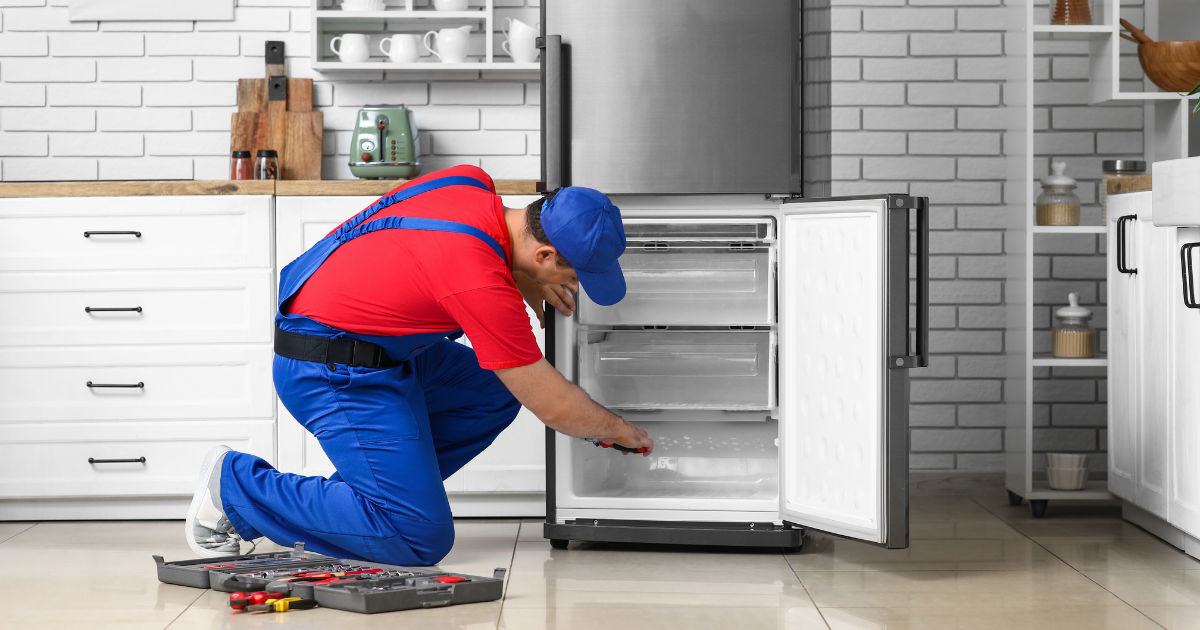
Modern fridges often come with built-in filtration systems, similar to berkey water filtration systems, which provide clean water and ice.
Understanding how and when to replace your fridge’s water filter ensures your household continues to enjoy fresh, healthy water. This guide will cover everything you need to know about fridge water filter replacement, from types of filters to step-by-step replacement instructions.
Why Fridge Water Filters Are Important
Water filters in refrigerators remove contaminants, sediment, chlorine, and other impurities. Over time, filters become clogged and less effective, which can impact water taste, odor, and even safety. Just like berkey water filtration systems are known for purifying water efficiently, your fridge filter performs a similar function, albeit on a smaller scale.
Regular maintenance ensures your water stays clean and your fridge works optimally. Ignoring filter replacement can lead to:
-
Reduced water flow.
-
Ice with unusual taste or odor.
-
Bacterial growth inside the water lines.
-
Increased strain on your refrigerator’s internal components.
Signs Your Fridge Water Filter Needs Replacement
Knowing when to replace your fridge water filter can save you from unexpected issues. Common signs include:
1. Reduced Water Flow
If your water dispenser slows down significantly, it’s likely that the filter is clogged. A heavy, sediment-laden filter will restrict water flow.
2. Strange Taste or Odor
Filters that have been in use for too long may no longer remove chlorine, metals, and other contaminants. If your water or ice tastes unusual, it’s time for a new filter.
3. Filter Indicator Light
Many modern fridges have an indicator that lights up when it’s time to replace the filter. This feature takes the guesswork out of maintenance.
4. Visible Contaminants
Sometimes, particles or cloudiness in your water can signal a worn-out filter. Regular inspection can help you identify this early.
Types of Fridge Water Filters
Fridge water filters vary by brand, model, and filtration technology. Understanding your filter type is crucial for proper replacement.
1. Standard Carbon Filters
Most fridges use carbon filters, which remove chlorine, sediment, and taste/odor issues. Carbon filters are cost-effective and commonly found in residential refrigerators.
2. Reverse Osmosis Compatible Filters
Some higher-end models use reverse osmosis-compatible filters for advanced purification. These are similar in principle to berkey water filtration, providing higher levels of contaminant removal.
3. Custom or Brand-Specific Filters
Certain refrigerator brands like Samsung, LG, Whirlpool, and GE have proprietary filters. Using the correct filter ensures compatibility and optimal performance.
4. Universal Filters
Universal fridge filters are designed to fit multiple brands. While convenient, it’s important to ensure certification and quality standards are met.
How Often Should You Replace a Fridge Water Filter?
The frequency of replacement depends on water usage, filter type, and manufacturer recommendations. Most manufacturers suggest replacing filters every 6 months or every 200-300 gallons of water.
Heavy water usage, hard water, or higher contaminant levels may require more frequent replacement. Just as berkey water filtration filters require periodic cleaning or replacement for optimal performance, fridge filters must be regularly maintained.
Step-by-Step Guide to Replacing Your Fridge Water Filter
Replacing your fridge water filter is straightforward if you follow these steps. Always consult your refrigerator manual for model-specific instructions.
Step 1: Identify Your Filter Type and Location
-
Check your fridge manual or manufacturer’s website for filter specifications.
-
Common locations include inside the fridge compartment, behind the grille at the bottom, or near the top corner.
-
Some models have push-button or twist-in filters, while others may have cartridge-style filters.
Step 2: Turn Off the Water Supply
-
Locate the water supply valve behind the refrigerator or under the sink.
-
Turn it off to prevent leaks while replacing the filter.
Step 3: Remove the Old Filter
-
For twist-in filters: Rotate the filter counterclockwise and gently pull it out.
-
For push-in filters: Press the release button and pull the filter straight out.
-
Have a towel handy to catch any dripping water.
Step 4: Prepare the New Filter
-
Remove protective caps or seals from the new filter.
-
Check for correct orientation as per manufacturer instructions.
Step 5: Install the New Filter
-
Insert the filter into the designated slot.
-
Twist or push until it locks in place securely.
-
Avoid using excessive force, as it may damage the filter or fridge components.
Step 6: Turn On the Water Supply
-
Open the water supply valve and allow water to fill the lines.
-
Dispense water for 2-3 minutes to flush out air bubbles and loose carbon particles.
Step 7: Reset the Filter Indicator
-
Many fridges have a reset button for the filter indicator.
-
Press or hold the button as per the user manual to reset the alert.
Tips for Maintaining Your Fridge Water Filter
1. Keep a Replacement Schedule
-
Mark the calendar or set reminders to replace your filter every 6 months.
-
Regular replacement ensures your water remains clean and your fridge works efficiently.
2. Use Certified Filters
-
Always choose filters certified for NSF/ANSI standards.
-
Avoid generic, uncertified filters as they may compromise water quality.
3. Clean the Filter Housing
-
Wipe down the filter compartment during each replacement.
-
This prevents sediment or mold buildup that can affect water taste.
4. Monitor Water Quality
-
Regularly taste your water and check ice for clarity.
-
If water tastes or smells off before the scheduled replacement, replace the filter early.
5. Avoid Freezing the Water Lines
-
Frozen lines can damage your filter and reduce water flow.
-
Keep the fridge temperature stable and avoid setting it too low.
Benefits of Regular Fridge Water Filter Replacement
Replacing your fridge water filter offers multiple benefits:
-
Improved Water Taste: Removes chlorine, odors, and sediment.
-
Health Protection: Reduces contaminants that may pose health risks.
-
Ice Quality: Keeps ice cubes clear, fresh, and odor-free.
-
Prolonged Refrigerator Life: Reduces strain on water pumps and internal lines.
-
Cost Savings: Prevents costly repairs caused by clogged filters or water damage.
Common Mistakes to Avoid
Even with proper instructions, people sometimes make errors that reduce filter efficiency. Avoid these common mistakes:
-
Delaying Replacement: Waiting too long can compromise water quality.
-
Using Wrong Filters: Ensure compatibility with your fridge model.
-
Skipping Flushing: Not flushing new filters can leave loose carbon in the water.
-
Forgetting Indicator Reset: Can lead to missed replacements.
-
Ignoring Water Supply Issues: Low water pressure may mimic a clogged filter problem.
Comparing Fridge Water Filters and Berkey Water Filtration
While fridge water filters provide convenience and improve taste, they are generally less comprehensive than berkey water filtration systems. Berkey systems are designed to remove viruses, bacteria, heavy metals, and a wide range of chemical contaminants. Your fridge filter focuses mainly on chlorine, sediment, and taste/odor improvement. Combining a fridge filter with a separate berkey water filtration system can ensure the highest water quality at home.
Troubleshooting Common Issues
1. Water Leaks
-
Check if the filter is installed properly.
-
Ensure the water line connections are tight.
-
Replace any cracked or damaged filter cartridges.
2. Low Water Pressure
-
Confirm the filter is not clogged.
-
Check the water supply valve and line for blockages.
-
Flush air bubbles after installation.
3. Strange Taste After Replacement
-
New filters may release loose carbon particles.
-
Run water through the dispenser for several minutes to flush the system.
4. Filter Indicator Not Resetting
-
Follow the specific reset procedure in your fridge manual.
-
Some models require holding the button for 5-10 seconds, others need menu navigation.
Eco-Friendly Considerations
Disposing of used fridge filters responsibly is important for environmental health:
-
Many brands offer recycling programs.
-
Check if local recycling centers accept used filters.
-
Consider biodegradable or environmentally friendly filter options.
Frequently Asked Questions (FAQs)
Q: Can I replace my fridge water filter myself?
A: Yes, most replacements are simple and can be done without professional help.
Q: How long does a fridge water filter last?
A: Typically 6 months or 200-300 gallons of water, depending on usage.
Q: What happens if I don’t replace my fridge water filter?
A: Water taste and quality will deteriorate, ice may be cloudy, and your fridge may experience strain.
Q: Can I use a generic water filter?
A: Only if it meets NSF/ANSI standards and is compatible with your fridge model.
Q: Does replacing the filter improve ice quality?
A: Yes, fresh filters ensure clearer, odor-free ice.
Conclusion
Replacing your fridge water filter is a simple yet crucial task to maintain healthy, great-tasting water and ice. By understanding the types of filters, recognizing signs of wear, and following step-by-step replacement instructions, you can ensure your refrigerator continues to provide clean water efficiently. Regular maintenance not only protects your family’s health but also prolongs the lifespan of your appliance.
For households seeking the best water quality, combining your fridge water filter with a berkey water filtration system can provide comprehensive purification, covering both taste and safety. Keeping a replacement schedule, using certified filters, and monitoring water quality are essential practices for any home.
By following this guide, you can enjoy the convenience of clean fridge water, optimize your appliance’s performance, and make sure your household always has fresh, safe drinking water.