
Electrical systems are the backbone of any modern home. They power our lights, appliances, and devices, keeping our homes safe and functional.
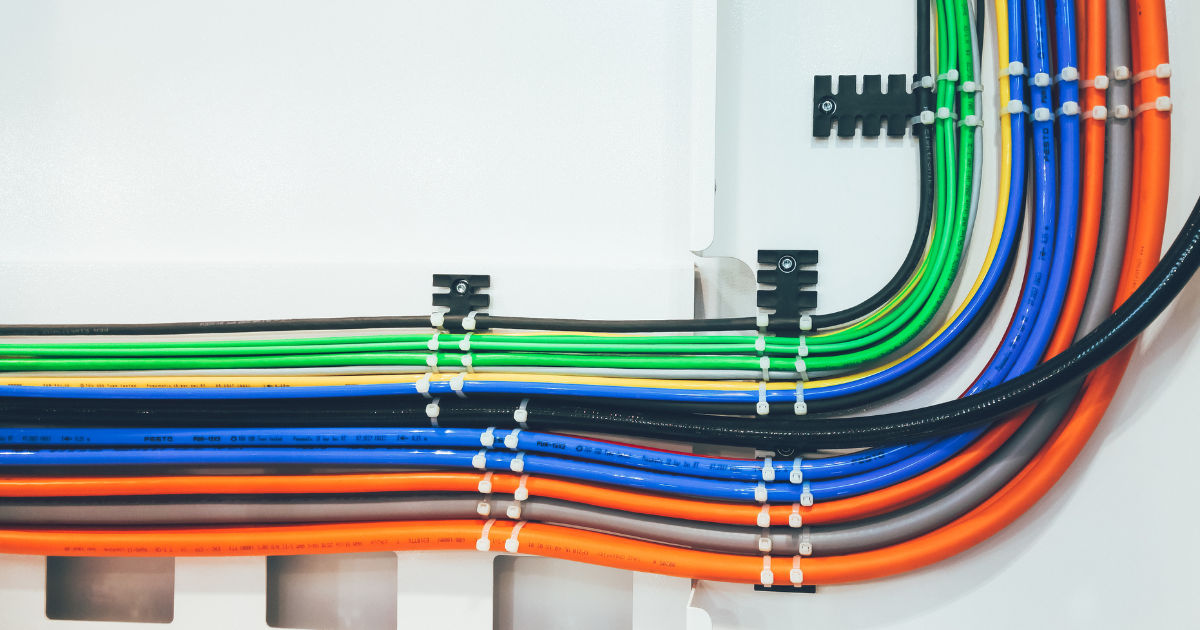 However, over time, the wiring in your house can degrade, become outdated, or fail to meet modern electrical standards. This is where a complete electrical rewiring comes into play.
For anyone considering rewiring their home, PowerLink CO is a trusted name in providing safe and reliable electrical solutions.
In this comprehensive guide, we will cover everything you need to know about home electrical rewiring—from signs your home needs it, to safety precautions, materials required, and the step-by-step process.
By the end of this guide, you’ll have a strong understanding of what’s involved and why hiring professional services like PowerLink CO can make the difference between a safe home and potential hazards.
Why Electrical Rewiring is Important
Electrical wiring is like the circulatory system of your home. Over time, wires can deteriorate due to wear, corrosion, or overloading. Rewiring is essential for several reasons:
-
Safety: Old or damaged wires can cause short circuits, electrical shocks, or fires.
-
Compliance: Modern homes require wiring that meets current electrical codes.
-
Efficiency: Up-to-date wiring can handle high-energy appliances without overloading.
-
Property Value: Homes with modern wiring are more attractive to buyers.
By choosing PowerLink CO, homeowners can ensure that rewiring is done with precision and adheres to the highest safety standards.
Signs Your Home Needs Rewiring
Before starting a rewiring project, it’s important to recognize signs that indicate your home’s electrical system may be failing. Some common warning signs include:
Flickering or Dimming Lights
Lights that flicker or dim when appliances are used may indicate old or overloaded wiring.
Frequent Circuit Breaker Trips
If your circuit breakers trip often, it’s a sign that your wiring may not be handling the electrical load properly.
Burning Smell or Scorch Marks
Any burning smell, scorch marks, or visible melting around outlets is a serious red flag.
Outdated Wiring
Homes built before the 1980s often use materials like aluminum or knob-and-tube wiring, which are considered unsafe today.
Sparking Outlets or Switches
Sparks when plugging in devices or using switches can indicate loose connections or damaged wires.
Identifying these signs early and consulting PowerLink CO can prevent serious accidents and costly repairs.
Planning an Electrical Rewiring Project
Electrical rewiring is not a simple DIY task. Proper planning ensures safety, efficiency, and compliance with legal standards.
Assess Your Current Electrical System
A professional electrician from PowerLink CO will start by inspecting your existing wiring. This includes:
-
Checking wire types and conditions
-
Evaluating the capacity of your main electrical panel
-
Identifying outdated circuits or overloaded areas
Determine Your Electrical Needs
Consider the following:
-
Number of rooms and outlets
-
Heavy-duty appliances like air conditioners, ovens, and water heaters
-
Lighting systems, including smart lighting or LED upgrades
-
Future expansion plans
Budget and Timeline
Electrical rewiring can be costly, but investing in quality work is crucial. A clear budget and timeline help prevent surprises. PowerLink CO provides transparent estimates and timelines for every project.
Materials Needed for Home Rewiring
Choosing the right materials is crucial for safety and efficiency. Here’s what is typically required:
-
Copper Wiring: Copper is preferred for its durability and conductivity.
-
Circuit Breakers: Modern breakers protect your home from overloads.
-
Electrical Panels: Upgraded panels ensure your system meets current standards.
-
Conduits and Fittings: Protect wires from damage and moisture.
-
Outlets, Switches, and Sockets: Replace outdated components with modern alternatives.
-
Insulation Materials: Prevents overheating and electrical shorts.
All materials should comply with local electrical codes. Using inferior components can be dangerous, which is why relying on professionals like PowerLink CO ensures that only high-quality materials are used.
Step-by-Step Guide to Electrical Rewiring
Rewiring a home involves several stages. Here’s a step-by-step overview:
Step 1: Safety First
-
Turn off the main power supply before starting.
-
Use insulated tools and safety gear.
-
Keep a fire extinguisher nearby in case of emergencies.
Step 2: Remove Old Wiring
-
Carefully remove old wires from walls and ceilings.
-
Label existing circuits to avoid confusion later.
-
Dispose of old wiring safely according to local regulations.
Step 3: Install New Wiring
-
Run new wires through conduits for protection.
-
Follow the layout plan to ensure each room has adequate outlets.
-
Install wires for heavy-duty appliances separately to prevent overload.
Step 4: Upgrade Electrical Panel
-
Replace old panels with modern circuit breakers.
-
Ensure each circuit is correctly labeled for safety.
-
Install surge protection for sensitive electronic devices.
Step 5: Install Outlets and Switches
-
Place outlets and switches at convenient locations.
-
Test each outlet and switch for proper function.
-
Use child-proof or weatherproof outlets where needed.
Step 6: Connect Appliances and Test
-
Connect appliances to the new circuits.
-
Test for voltage consistency and ensure no overloads.
-
Check for grounding issues to prevent shocks.
Step 7: Final Inspection
-
A professional from PowerLink CO will conduct a thorough inspection.
-
Ensure compliance with electrical codes.
-
Confirm that all circuits are working safely and efficiently.
Common Challenges in Rewiring Homes
Even with planning, some challenges may arise:
-
Limited Wall Space: Older homes may have narrow walls, making wiring installation tricky.
-
Hidden Damage: Sometimes mold, water damage, or pests may have affected wiring.
-
Outdated Fixtures: Replacing old fixtures can be time-consuming and may require custom fittings.
-
Code Compliance: Upgrading to meet modern standards can involve extra work.
Professionals like PowerLink CO have the experience to handle these challenges efficiently.
Safety Tips During and After Rewiring
Electrical safety is crucial to prevent accidents. Here are essential tips:
-
Never attempt DIY rewiring if you lack experience.
-
Always turn off the main power before touching wires.
-
Avoid overloading circuits with too many devices.
-
Regularly inspect outlets, switches, and panels for signs of wear.
-
Use surge protectors for sensitive electronics.
Following these safety measures ensures that your newly rewired home remains secure for years.
Benefits of Hiring Professionals
While rewiring can technically be a DIY project, hiring experts is highly recommended.
-
Expertise: Trained electricians from PowerLink CO know modern wiring standards inside out.
-
Safety: Professionals minimize the risk of shocks, fires, or faulty installations.
-
Efficiency: Experienced teams complete projects faster and more efficiently.
-
Warranty: Many professional services provide guarantees for their work.
-
Peace of Mind: Knowing your home is safely wired reduces stress for homeowners.
Maintenance After Rewiring
Once your home is rewired, proper maintenance ensures longevity:
-
Regular Inspections: Have a certified electrician inspect your system periodically.
-
Avoid Overloading: Distribute heavy appliances across multiple circuits.
-
Upgrade When Necessary: As technology evolves, consider adding smart circuits or energy-efficient devices.
-
Check for Wear: Replace any damaged outlets, switches, or wires immediately.
Maintenance is just as important as the rewiring process itself, keeping your home safe and efficient.
Rewiring Cost Factors
The cost of rewiring depends on several factors:
-
Home Size: Larger homes require more materials and labor.
-
Wiring Complexity: Homes with multiple circuits or heavy appliances need careful planning.
-
Material Quality: Premium copper wiring and modern panels cost more but are safer.
-
Labor Costs: Hiring professionals like PowerLink CO may have higher upfront costs but ensures safety and durability.
-
Local Regulations: Some regions require permits and inspections that add to the cost.
Budgeting accurately helps avoid surprises and ensures a smooth project.
Choosing the Right Electrical Services
Selecting the right company is crucial for a successful rewiring project. Consider these factors:
-
Experience: Look for companies with a strong track record in residential rewiring.
-
Certification: Ensure electricians are licensed and certified.
-
Reviews and References: Positive feedback from previous clients indicates reliability.
-
Transparent Quotes: A trustworthy company provides clear estimates with no hidden costs.
-
Emergency Services: Rewiring projects sometimes uncover unexpected issues; companies offering 24/7 support are invaluable.
PowerLink CO meets all these criteria, making it a trusted choice for homeowners seeking professional electrical services.
Conclusion
Electrical rewiring is a vital process that ensures your home remains safe, efficient, and up-to-date with modern standards. Whether your home is old and in need of an upgrade or you’re simply adding more circuits for modern appliances, following a structured approach is crucial.
From recognizing the signs of faulty wiring to planning, choosing materials, and completing the rewiring, every step requires attention to detail. Safety should always be the top priority, which is why professional services like PowerLink CO are indispensable. They bring expertise, efficiency, and peace of mind, ensuring that your home’s electrical system operates smoothly for years to come.
Investing in professional rewiring not only protects your family but also adds value to your property. With proper planning, quality materials, and professional installation, a complete electrical rewiring can transform your home into a modern, safe, and energy-efficient space.