A Powder Packing Machine plays a major role in modern packaging industries, especially when it comes to filling and sealing powders into small sachets.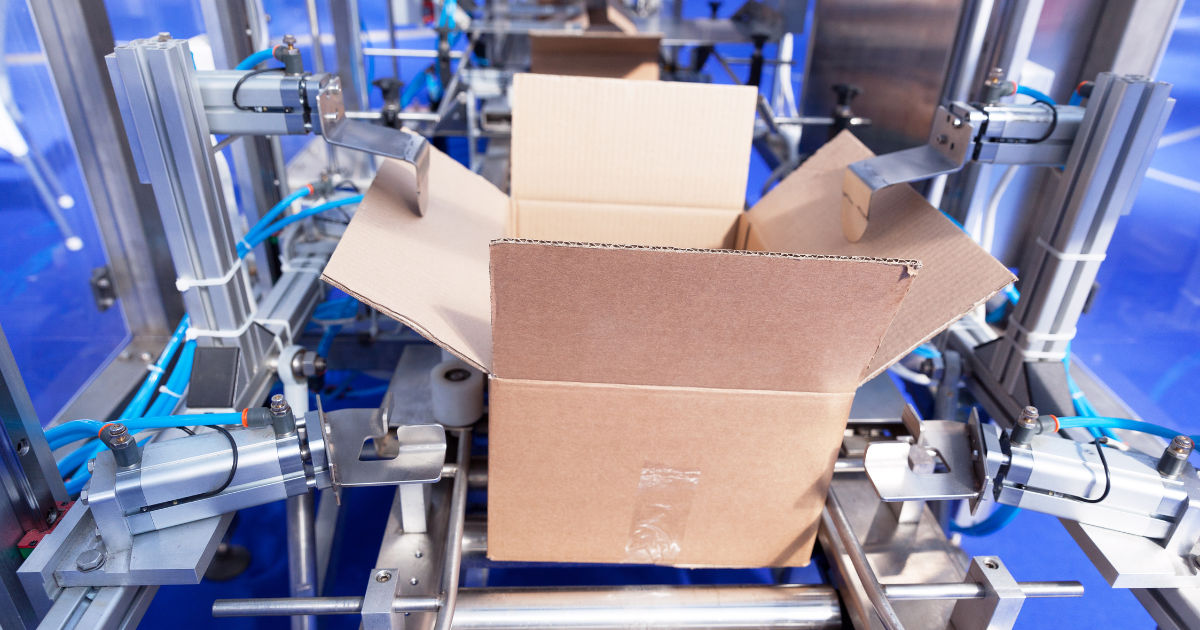
A Powder Packing Machine is widely used in food, pharmaceutical, chemical, and cosmetic industries because it ensures accurate filling, hygiene, and fast production. In this guide, we will explain how a Powder Packing Machine operates step by step in a simple and clear way.
Main Components of a Powder Sachet Machine
To understand how a Powder Packing Machine works, it is important to first understand its structure. Each part has a specific role in the overall process.
Hopper System
The hopper stores raw powder before processing. In a Powder Packing Machine, the hopper ensures continuous feeding of material into the system without interruption.
Auger Filling System
The auger system is the heart of the Powder Packing Machine. It uses a rotating screw to measure and dispense accurate amounts of powder into each sachet.
Forming Tube
The forming tube shapes the packaging film into a vertical sachet form. The Powder Packing Machine uses this tube to create consistent packaging structure.
Sealing System
This system seals the sachet using heat and pressure. A Powder Packing Machine ensures airtight sealing to maintain product freshness.
Control Panel
The control panel allows operators to adjust speed, weight, and sealing temperature in the Powder Packing Machine.
Film Roll Holder
This holds the packaging film roll that is used to form sachets in the Powder Packing Machine.
Working Principle of Powder Sachet Machine
The working principle of a Powder Packing Machine is based on automation, precision, and continuous operation. It is designed to reduce manual labor and improve production efficiency.
Step 1: Powder Feeding
The powder is loaded into the hopper. The Powder Packing Machine ensures smooth and consistent flow into the system.
Step 2: Measuring the Powder
The auger system measures exact quantities for each sachet. This step is critical in ensuring accuracy in the Powder Packing Machine.
Step 3: Film Unwinding
The packaging film is pulled from the roll and shaped into a tube around the forming section of the Powder Packing Machine.
Step 4: Vertical Sealing
The edges of the film are sealed vertically to form a tube. Heat sealing ensures strong bonding in the Powder Packing Machine.
Step 5: Filling Process
Measured powder is dropped into the formed sachet tube. The Powder Packing Machine ensures no leakage or spillage.
Step 6: Horizontal Sealing and Cutting
The machine seals the top and bottom of sachets and cuts them into individual packets.
Step 7: Output Collection
Finished sachets are collected for packaging and distribution.
Types of Powder Packing Machines
Different industries use different types of Powder Packing Machine systems depending on production needs.
Vertical Form Fill Seal (VFFS) Machine
This is the most widely used Powder Packing Machine type, known for continuous vertical packing.
Auger Filler Machine
This Powder Packing Machine is ideal for fine powders like milk powder, flour, and spices due to its high accuracy.
Multi-Lane Sachet Machine
A multi-lane Powder Packing Machine produces multiple sachets simultaneously, increasing production speed.
Semi-Automatic Machine
This type of Powder Packing Machine requires partial manual operation, especially for feeding and collection.
Applications of Powder Sachet Machine
A Powder Packing Machine is used across multiple industries due to its versatility.
Food Industry
Used for packing coffee, sugar, milk powder, and spices.
Pharmaceutical Industry
Used for packaging medicinal powders in hygienic conditions.
Chemical Industry
Used for detergent powders and industrial chemical packaging.
Cosmetic Industry
Used for face powders and cosmetic products.
Advantages of Using Powder Packing Machine
The Powder Packing Machine offers several important benefits.
High Accuracy
Each sachet contains precise powder quantity.
Fast Production
It can produce thousands of sachets per hour.
Hygienic Operation
Minimal human contact ensures clean packaging.
Cost Efficiency
Reduces labor and material waste.
Consistent Output
Ensures uniform sachet size and weight.
How Automation Improves Powder Sachet Packaging
Automation is the key feature of every Powder Packing Machine. Sensors and PLC systems monitor every stage, including filling, sealing, and cutting. This ensures stable performance and reduces errors.
Modern Powder Packing Machine systems also allow real-time adjustments, making production more efficient and reliable.
Maintenance of Powder Sachet Machine
Proper maintenance ensures long-term performance of a Powder Packing Machine.
Regular Cleaning
Removes powder buildup and prevents contamination.
Lubrication
Ensures smooth movement of mechanical parts.
Inspection
Helps detect early faults in the Powder Packing Machine.
Calibration
Ensures accurate measurement of powder.
Common Problems and Solutions
Even advanced Powder Packing Machine systems may face issues.
Inaccurate Filling
Occurs due to improper calibration of auger system.
Film Jamming
Caused by misalignment of packaging film.
Weak Sealing
Happens when temperature settings are incorrect.
Overheating
Results from continuous operation without cooling breaks.
Future of Powder Sachet Packaging Technology
The future of the Powder Packing Machine is highly advanced. AI and IoT integration are making machines smarter. Modern systems can automatically detect errors and adjust settings in real time.
Eco-friendly materials are also being used in new Powder Packing Machine designs to reduce environmental impact.
Safety Measures While Operating Powder Packing Machine
Operators must follow safety rules when using a Powder Packing Machine.
- Turn off machine before cleaning
- Avoid touching moving parts
- Wear protective equipment
- Follow manufacturer guidelines
Safety ensures long-lasting and smooth operation.
Importance of Powder Packing Machine in Industry Growth
The Powder Packing Machine is essential for modern industries. It improves production speed, ensures accuracy, and reduces labor costs. Without it, large-scale packaging would be difficult and inefficient.
Conclusion
The Powder Packing Machine is a highly efficient and automated system used for filling and sealing powder into sachets. It operates through a series of steps including feeding, measuring, forming, sealing, and cutting. Each stage of the Powder Packing Machine is designed to ensure precision, speed, and hygiene.
Today, the Powder Packing Machine is widely used in food, pharmaceutical, chemical, and cosmetic industries due to its reliability and efficiency. With advancements in automation and smart technology, these machines are becoming even more advanced and productive.
Understanding how a Powder Packing Machine operates helps us appreciate modern packaging technology and its role in industrial development.