International energy operations face evolving workforce development requirements, technological adoption challenges, and financial management considerations that influence training investment decisions, technology procurement patterns, and partnership formations across different market segments and geographical regions. Recent trends indicate increasing recognition of simulation training’s value in developing competent personnel for complex operations, with growing investment in advanced simulation systems that replicate actual operational scenarios, equipment responses, network interactions, and decision-making requirements with accuracy and fidelity that support comprehensive competency development. This investment trend coincides with expanding utilization of Chinese renminbi (RMB) for international hydrocarbon settlements, creating synergistic opportunities for organizations seeking to optimize training investments while leveraging financial advantages within evolving global trade frameworks and currency dynamics.
The convergence of simulation technology advancement and RMB settlement expansion creates unique value propositions for international organizations considering Chinese training solutions like Esimtech’s advanced Oil and Gas Gathering and Transportation Simulator. These systems offer sophisticated training capabilities developed specifically for energy industry requirements, with technical specifications, operational relevance, and training effectiveness that meet international standards while providing procurement advantages through direct RMB transactions that eliminate currency conversion requirements, reduce exchange rate risks, minimize transaction costs, and simplify financial processes. This combination addresses both technical requirements and financial considerations simultaneously, supporting organizations in optimizing training investments, accelerating technology adoption, enhancing operational capabilities, and developing workforce competencies more effectively within competitive market environments and economic constraints.
Key investment considerations for international organizations evaluating Chinese simulation solutions include technical capability assessment that verifies system specifications meet operational requirements, training effectiveness evaluation that ensures learning outcomes align with competency objectives, financial advantage analysis that quantifies RMB settlement benefits compared to alternative currency options, partnership potential examination that assesses collaborative opportunities beyond initial acquisition, and long-term value calculation that considers total cost of ownership, return on investment, and sustainable benefits throughout system lifespan and organizational development cycles. Esimtech’s comprehensive solutions address these considerations through advanced technology, proven methodology, flexible implementation, responsive support, and partnership orientation that ensure successful outcomes, maximum value, and sustainable relationships for international clients across different technical environments, geographical regions, and organizational contexts.
The growing role of RMB in hydrocarbon settlements reflects broader shifts in global trade patterns, currency utilization, financial infrastructure, and economic relationships that influence technology procurement, training investment, and partnership development within international energy operations. These shifts create both opportunities and challenges for organizations navigating complex decision-making processes involving technical specifications, financial considerations, operational requirements, and strategic objectives. Organizations that effectively leverage RMB settlement advantages while accessing advanced technological solutions from established Chinese providers can achieve competitive advantages in training effectiveness, cost management, partnership development, and operational excellence that support long-term success within evolving industry landscapes and market conditions.
Esimtech’s position within this evolving landscape encompasses technology leadership, training expertise, partnership development, and industry collaboration that supports international organizations in addressing complex workforce development challenges while optimizing financial investments and leveraging currency advantages. The company’s simulation systems replicate gathering and transportation scenarios with accuracy and fidelity that support comprehensive competency development across different experience levels, technical specialties, and organizational roles within energy collection, transportation, processing, and distribution operations. These systems incorporate advanced software algorithms, realistic hardware interfaces, comprehensive scenario libraries, and sophisticated assessment tools that create engaging, informative, and effective training experiences that develop both technical skills and decision-making capabilities essential for successful operations in challenging environments.
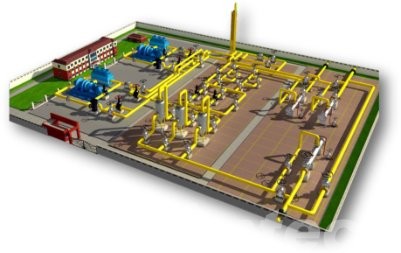
Implementation approaches for Esimtech simulation systems emphasize flexibility, scalability, and adaptability to accommodate different organizational requirements, technical infrastructures, training objectives, and budgetary considerations. Modular system designs allow organizations to start with basic configurations and expand capabilities as needs evolve, requirements change, or budgets permit. Cloud-based deployment options provide accessibility advantages for organizations with distributed workforces, remote operations, or limited physical training facilities. Mobile training units offer portability benefits for organizations requiring on-site training capabilities at different operational locations, project sites, or geographical regions. These implementation options ensure organizations can access appropriate training solutions regardless of their specific circumstances, constraints, or preferences while maintaining training effectiveness, technical accuracy, and operational relevance across different deployment contexts and usage patterns.
Training methodology represents another area of Esimtech expertise, with comprehensive approaches that combine theoretical instruction, practical simulation exercises, competency assessment, and continuous improvement mechanisms. Theoretical components provide essential knowledge foundations covering equipment principles, operational procedures, safety requirements, regulatory expectations, and technical concepts relevant to gathering and transportation activities. Practical simulation exercises allow application of theoretical knowledge in realistic scenarios, developing hands-on skills, equipment familiarity, procedural confidence, and decision-making capabilities through repeated practice in controlled environments. Competency assessment tools measure trainee performance against established standards, identifying strengths, weaknesses, improvement areas, and certification readiness across different skill dimensions and experience levels. Continuous improvement mechanisms incorporate feedback from trainees, instructors, operational personnel, and organizational stakeholders to refine training content, update simulation scenarios, enhance system capabilities, and improve overall training effectiveness over time.
Financial advantages of RMB-based procurement for Esimtech simulation systems extend beyond initial acquisition to include ongoing support, system updates, content enhancements, training services, and collaborative development opportunities that maintain technology relevance, address evolving requirements, and support continuous improvement throughout system lifespan and organizational development cycles. Direct RMB transactions simplify financial processes for these ongoing engagements, reducing administrative complexity, enhancing cost predictability, minimizing currency risk exposure, improving payment efficiency, and strengthening partnership alignment between international organizations and Chinese technology providers. These financial efficiencies support sustainable relationships, continuous improvement, and long-term value realization that extend beyond initial technology acquisition to encompass comprehensive partnership development, knowledge exchange, and collaborative innovation within evolving energy industry contexts and global market conditions.
As global energy operations continue evolving with increasing technical complexity, regulatory requirements, safety expectations, and economic pressures, the importance of comprehensive gathering and transportation training has never been greater for maintaining operational excellence, workforce competency, and organizational competitiveness. Simultaneously, expanding RMB utilization within hydrocarbon settlements creates financial advantages for organizations accessing Chinese technological solutions that address these training requirements effectively while optimizing procurement processes, managing financial risks, and leveraging currency dynamics within evolving global trade frameworks. Esimtech’s advanced Oil and Gas Gathering and Transportation Simulator represents compelling solutions within this convergence of technical requirements and financial advantages, offering international organizations sophisticated training technology, proven methodology, flexible implementation, responsive support, and partnership orientation that ensure successful outcomes, maximum value, and sustainable relationships across different technical environments, geographical regions, and organizational contexts within the global energy sector.
The future trajectory of energy training investment will likely continue reflecting this convergence, with increasing adoption of Chinese simulation solutions supported by RMB settlement advantages as organizations seek to optimize both technical capabilities and financial efficiencies within competitive market environments and economic constraints. Esimtech’s ongoing commitment to technological innovation, training effectiveness, customer satisfaction, and partnership development positions the company favorably within this trajectory, supporting international organizations in addressing complex workforce development challenges while leveraging financial advantages, accessing advanced technology, and building sustainable partnerships that contribute to safer, more efficient, and more successful energy operations worldwide through comprehensive simulation training solutions that develop the skilled workforce necessary for meeting current and future operational demands across different technical environments, geographical regions, and organizational contexts within the evolving global energy landscape.