Day: April 6, 2026

Unmasking Playful Gambling’s Neurological LureUnmasking Playful Gambling’s Neurological Lure

0 Comment

The online https://investiga.unaat.edu.pe/ industry’s most insidious evolution is not in its games, but in its aesthetic and psychological framing: the deliberate, data-driven construction of “playful” interfaces. This is not mere cartoon graphics or casual sound effects; it is a sophisticated, multi-layered behavioral architecture designed to bypass cognitive defenses by mimicking the reward structures of video gaming and social media. The conventional wisdom views regulation as a financial safeguard, but the true battleground is neurocognitive. This article investigates the specific, rarely discussed integration of variable-ratio reinforcement schedules, haptic feedback mechanics, and loss-disguised-as-win animations that collectively engineer a state of “ludic immersion,” where the conscious risk assessment of gambling is subverted by the subconscious engagement of play.

The Architecture of Deceptive Play

The core innovation lies in the seamless fusion of gambling mechanics with video game “progression systems.” A 2024 neuroeconomics study from the University of Zurich revealed that 73% of new “social casino” and “play-for-fun” app users could not accurately distinguish between in-game experience points (XP) and real monetary value after just 30 minutes of engagement. This cognitive blurring is intentional. The interfaces utilize cascading information rewards—badges, level-ups, daily login streaks—that activate the same dopaminergic pathways as a slot machine payout, creating a conditioned response before real money is ever introduced.

Data-Driven Personalization of Play

Advanced analytics now tailor the “playful” experience to individual vulnerability profiles. A recent industry leak showed that platforms employing “ludic algorithms” saw a 290% increase in player session time. These systems analyze thousands of data points:

  • Mouse movement velocity and hesitation patterns during bonus round animations.
  • Precise response times to “free spin” offers versus deposit prompts.
  • Micro-expressions captured via webcam during “celebration” sequences.
  • The specific color palettes and audio tones that maximize engagement for a user’s demographic.

This data constructs a “play profile,” allowing the platform to adjust its playful facade in real-time to maximize emotional investment and, ultimately, monetary conversion.

Case Study: “Coin Cascade’s” Animated Obfuscation

The mobile app “Coin Cascade” presented itself as a puzzle-matching game with a virtual currency. The initial problem was high user drop-off after the first deposit; players felt the “jarring” shift from play to pay. The intervention was the “Cascading Win” animation engine. The methodology involved redesigning every monetary loss. When a player lost a $1 bet, the screen would still erupt in a shower of colorful, collectible gems and coins accompanied by a triumphant fanfare, displaying a large, non-monetary “+50 XP!” notification. The quantified outcome was a 40% reduction in perceived loss magnitude in user surveys and a 175% increase in consecutive bet placements, as the brain’s reward centers were triggered despite the financial loss.

Case Study: “QuestBet’s” Narrative Sunk Cost

“QuestBet” targeted fantasy sports enthusiasts with a core problem: seasonal engagement dips. Their intervention was the “Dynasty Saga,” a persistent, year-long narrative fantasy campaign running parallel to real-money betting. The methodology wove betting requirements into epic quests. To “unlock the Elven Archer” for one’s team, a user had to place five live bets on NBA underdogs. The outcome was profound. User retention increased by 300% during off-seasons, and the average bet frequency rose by 2.5x, as financial risk was cognitively reframed as a necessary step in a heroic narrative journey, exploiting the “sunk cost fallacy” within a playful context.

Case Study: “PulsePalette’s” Hptic Conditioning

The esports betting platform “PulsePalette” faced low emotional connection to digital bets. Their intervention was a proprietary haptic feedback system synced to in-game events. The methodology involved pairing specific controller vibrations with betting outcomes. A subtle, double-tap pulse was assigned to small winning bets, while a long, rumbling sensation was tied to loss, mimicking the “rumble” of video game damage. Over time, this created a classical conditioning loop. The quantified outcome showed users with haptic enabled exhibited a 22% lower physiological stress response to losses (measured via heart rate monitoring) and placed 60% more bets per session, as the tactile feedback integrated the gambling act into a familiar, game-like sensory experience.

Observing Playful Online Gambling DynamicsObserving Playful Online Gambling Dynamics

0 Comment

The conventional analysis of online gambling focuses on addiction and financial loss, a critical but incomplete narrative. A more nuanced, data-driven perspective examines “playful gambling”—low-stakes, entertainment-first participation where the primary currency is engagement, not currency. This paradigm shift reveals a user base leveraging gambling mechanics for social connection, cognitive challenge, and micro-doses of excitement, fundamentally altering risk models and platform design. The 2024 Global Digital Play Report indicates 38% of casual casino app users never deposit real money, existing solely in “play-for-fun” modes. Furthermore, a study by the Behavioral Insight Group found that 22% of these playful users engage for the aesthetic and narrative elements of modern slot games, treating them as interactive digital art. This re-frames the operator’s challenge from pure monetization to sustained engagement architecture.

The Mechanics of Playful Engagement

Playful gambling is not defined by the absence of money, but by the primacy of alternative rewards. Platforms sophisticated in capturing this audience engineer experiences where the dopamine hit derives from progression systems, collection mechanics, and social validation, not cashouts. Key design pillars include elaborate, multi-level “pass” systems rewarding daily logins, intricate avatar customization unlocked through gameplay, and communal challenges where a group’s combined spins unlock shared virtual loot. The 2024 iGaming UX Audit revealed that top-grossing “social casino” apps derive 70% of their user session time from these meta-game layers, not the core betting action. This creates a sticky ecosystem where financial risk is an optional layer, not the foundational hook.

Data Signals and Behavioral Thresholds

Identifying the transition from playful to problematic engagement requires observing micro-behaviors. Advanced analytics track session heatmaps not for bet size, but for interaction velocity with non-monetary features. A 2024 machine learning model from Safer koitoto Tech identified a critical threshold: when a user’s clicks on the “shop” or “real money deposit” interface exceed 15% of total session interactions, the probability of a first deposit within 72 hours jumps to 89%. This allows for proactive, playful reinforcement interventions—offering bonus cosmetic items or extending a challenge timer—to maintain the user in the low-risk engagement zone. The model’s deployment in a pilot program reduced first-time depositor conversion by 34%, while increasing overall session length by 22%.

Case Study: The Narrative Slot Collector

Platform: “MythosReels,” a narrative-driven slot platform. Initial Problem: Despite high installation rates, user retention plummeted after 7 days. Data showed users exhausted the “welcome bonus” fake credits, experienced the core slot mechanics, and disengaged, perceiving the experience as shallow. The platform failed to cater to the “playful” user’s desire for sustained, meaningful progression.

Specific Intervention: Development of the “Tome of Legends,” a persistent, cross-game collection and storytelling system. Each slot game was part of a broader mythical universe (e.g., Norse, Egyptian). Spinning reels not only yielded virtual credits but also uncovered fragmentary “lore cards,” cosmetic artifacts for a user’s virtual sanctum, and puzzle pieces for expansive community myths.

Exact Methodology: The intervention used a layered reward schedule. Common spins yielded common lore fragments. Achieving specific in-game milestones (e.g., 10 bonus rounds triggered) unlocked rare artifact blueprints. Crucially, the system introduced weekly “community deciphering” events. All players’ collective spins contributed to uncovering a major narrative revelation, with all participants receiving exclusive vanity items. This created a cooperative, playful metagame entirely divorced from financial stake.

Quantified Outcome: Over a 90-day A/B test, the cohort with the Tome of Legends system showed a 210% increase in 30-day retention. Daily active users (DAU) increased by 155%. Crucially, while the deposit conversion rate decreased slightly (8%), the overall player lifetime value (LTV) increased by 90% due to sustained engagement and the successful sale of cosmetic packs. This proved the economic viability of deepening playful engagement over pushing monetary conversion.

Case Study: The Social Syndicate Architect

Platform: “Hold’Em Hub,” a free-to-play poker network. Initial Problem: The platform had robust 1-on-1 and tournament play but struggled to create stable social groups. “Playful” users, often friends migrating from other social apps, found the experience isolating after initial novelty wore off, leading to group churn.

Specific Intervention: Creation of “Syndicates,” persistent, private clubs

how social media growth management drives engagement?how social media growth management drives engagement?

0 Comment

Social Media Management plays a central role in how brands connect with audiences, build trust, and encourage meaningful interactions online. In today’s digital world, platforms like Instagram, TikTok, Facebook, and X (Twitter) are not just places to share content—they are powerful ecosystems where engagement determines visibility and success.

Effective Social Media Management helps businesses organize content, analyze performance, and interact with users in a structured way that naturally drives engagement.

When done correctly, it transforms passive followers into active participants who like, comment, share, and advocate for a brand.

This comprehensive guide explores how Social Media Management drives engagement, the strategies behind it, and the tools and techniques that help businesses grow their online presence. Written in a clear and simple way, this guide is ideal for a 12th-grade level reader who wants to understand how social media works behind the scenes and why engagement is the key to success.


Understanding Social Media Engagement

Engagement refers to how users interact with content on social media platforms. In Social Media Management, engagement is measured through likes, comments, shares, saves, clicks, and direct messages. These actions indicate that users are not just viewing content but actively responding to it.

High engagement signals to algorithms that content is valuable. As a result, platforms are more likely to show that content to a wider audience. This is why Social Media Management focuses heavily on creating content that encourages interaction rather than just broadcasting messages.

Engagement is not only about numbers—it reflects relationships. When users engage consistently, it shows that a brand has successfully captured attention and built interest.


The Role of Social Media Management in Driving Engagement

Social Media Management is the backbone of any successful social media strategy. It involves planning, creating, scheduling, analyzing, and optimizing content across platforms. Each of these steps contributes to improved engagement.

Without proper Social Media Management, content may lack consistency, relevance, or timing—all of which affect how users respond. A well-managed social media presence ensures that posts reach the right audience at the right time with the right message.

Consistency in tone, visuals, and messaging builds familiarity. Familiarity builds trust. Trust leads to engagement. This chain is what makes Social Media Management essential for growth.


Content Strategy and Its Impact on Engagement

A strong content strategy is a core component of Social Media Management. Content must be relevant, valuable, and engaging to capture attention.

Types of Content That Drive Engagement

Different types of content perform differently depending on the audience. Social Media Management often includes:

  • Educational posts that provide useful information
  • Entertaining content such as memes or videos
  • Inspirational quotes or stories
  • Interactive posts like polls and questions
  • Behind-the-scenes content that humanizes a brand

Each of these formats encourages users to interact in different ways. A balanced content mix increases the chances of engagement.

Importance of Consistency

Consistency in posting is a key principle of Social Media Management. Posting regularly keeps the audience engaged and prevents the brand from being forgotten. It also signals reliability, which strengthens audience trust.


Audience Understanding and Targeting

Understanding the audience is essential for effective Social Media Management. Engagement improves when content matches the interests, needs, and behaviors of the target audience.

Audience Research

Social Media Management involves researching demographics such as age, location, interests, and online behavior. This information helps tailor content that resonates with users.

Personalization

Personalized content performs better because it feels more relevant. Social Media Management uses data to create content that speaks directly to the audience’s preferences. Personalized messaging increases the likelihood of likes, shares, and comments.


The Power of Visual Content

Visual content is one of the most effective drivers of engagement in Social Media Management. Images, videos, infographics, and reels attract attention faster than text alone.

Why Visuals Work

Humans process visuals more quickly than text. Social Media Management leverages this by incorporating eye-catching designs and videos that communicate messages instantly.

Video Content

Short-form videos have become especially popular. Platforms prioritize video content because it keeps users engaged longer. Social Media Management strategies often focus on creating short, engaging videos that deliver value quickly.


Timing and Posting Frequency

When content is posted can be just as important as what is posted. Social Media Management includes analyzing the best times to post based on audience activity.

Optimal Timing

Posting when the audience is most active increases visibility. Social Media Management tools often provide insights into peak engagement times.

Posting Frequency

Posting too frequently can overwhelm users, while posting too rarely can reduce visibility. Social Media Management finds the right balance to maintain consistent engagement without causing fatigue.


Hashtags and Discoverability

Hashtags improve discoverability by categorizing content. Social Media Management uses hashtags strategically to reach a broader audience beyond existing followers.

Choosing the Right Hashtags

Relevant and trending hashtags help content appear in searches and explore pages. Social Media Management involves researching hashtags that align with the content and audience.

Avoiding Overuse

Using too many irrelevant hashtags can reduce credibility. Effective Social Media Management focuses on quality over quantity when selecting hashtags.


Engagement Through Community Interaction

Engagement is not just about posting content—it also involves interacting with the audience. Social Media Management emphasizes two-way communication.

Responding to Comments

Replying to comments shows that a brand values its audience. Social Media Management encourages timely and meaningful responses to build relationships.

Direct Messages

Direct messages provide a more personal way to connect. Social Media Management often includes managing inboxes to maintain communication with followers.


The Role of Analytics in Social Media Management

Analytics are essential for understanding what works and what doesn’t. Social Media Management relies on data to improve engagement strategies.

Key Metrics

Important metrics include:

  • Engagement rate
  • Reach and impressions
  • Click-through rate
  • Follower growth

These metrics help evaluate the effectiveness of content and campaigns.

Data-Driven Decisions

By analyzing performance data, Social Media Management can adjust strategies to improve results. Data ensures that decisions are based on evidence rather than assumptions.


Algorithm Understanding and Optimization

Social media platforms use algorithms to determine what content users see. Social Media Management involves understanding these algorithms to maximize reach and engagement.

How Algorithms Work

Algorithms prioritize content based on relevance, engagement, and user behavior. Content with higher engagement is more likely to be promoted.

Optimizing for Algorithms

Social Media Management focuses on creating content that encourages interaction, such as asking questions, using calls-to-action, and posting at optimal times.


Paid Promotions and Engagement Boost

While organic reach is important, paid promotions can enhance visibility. Social Media Management often includes running ads to boost engagement.

Targeted Advertising

Paid campaigns allow precise targeting based on demographics, interests, and behavior. This ensures content reaches the most relevant audience.

Retargeting

Retargeting helps re-engage users who have already interacted with a brand. Social Media Management uses this technique to increase conversions and engagement.


Tools Used in Social Media Management

Various tools simplify Social Media Management and improve efficiency.

Scheduling Tools

Scheduling tools allow posts to be planned in advance. This ensures consistency and saves time.

Analytics Tools

Analytics tools provide insights into performance metrics. Social Media Management relies on these tools to track progress and optimize strategies.

Content Creation Tools

Design and video editing tools help create visually appealing content. Social Media Management uses these tools to maintain quality and consistency.


Building Brand Voice and Identity

A strong brand voice helps create a recognizable identity. Social Media Management ensures that all content aligns with this voice.

Tone and Style

Whether formal, casual, or humorous, consistency in tone helps build familiarity. Social Media Management maintains this consistency across all platforms.

Visual Identity

Colors, fonts, and design elements contribute to brand recognition. Social Media Management ensures that visuals align with brand guidelines.


Trends and Adaptability

Social media trends change quickly. Social Media Management requires adaptability to stay relevant.

Following Trends

Trends such as viral challenges, memes, and new features can boost engagement. Social Media Management incorporates trends in a way that aligns with the brand.

Experimentation

Testing new content formats and strategies is important. Social Media Management involves experimenting to discover what resonates best with the audience.


Challenges in Social Media Management

Despite its benefits, Social Media Management comes with challenges.

Content Saturation

With so much content available, standing out can be difficult. Social Media Management must focus on originality and creativity.

Algorithm Changes

Frequent changes in algorithms can affect reach. Social Media Management requires continuous learning and adaptation.

Time and Resource Constraints

Managing multiple platforms can be time-consuming. Social Media Management tools help streamline tasks and improve efficiency.


Future of Social Media Engagement

The future of engagement will continue to evolve with technology. Social Media Management will play an even greater role in shaping digital interactions.

Artificial Intelligence

AI will enhance content personalization and automation. Social Media Management will increasingly rely on AI-driven insights.

Interactive Content

Features like polls, quizzes, augmented reality filters, and live streaming will continue to grow. Social Media Management will focus on creating more interactive experiences.


Conclusion

Social Media Management is a critical component of driving engagement in today’s digital landscape. It brings together content creation, audience understanding, analytics, timing, and interaction to create meaningful connections between brands and users. By applying structured strategies, Social Media Management ensures that content reaches the right audience and encourages active participation.

Engagement is not achieved by chance—it is the result of consistent effort, data-driven decisions, and a clear understanding of audience behavior. Through effective Social Media Management, brands can build trust, increase visibility, and foster long-term relationships with their audience.

As platforms continue to evolve, the importance of Social Media Management will only grow. Those who invest time and resources into mastering it will be better positioned to succeed in an increasingly competitive digital environment.


why gastrointestinal gut barrier protects digestion?why gastrointestinal gut barrier protects digestion?

0 Comment

The Gastrointestinal system is one of the most important parts of the human body. It does much more than just digest food. It protects the body from harmful substances, supports immunity, and maintains overall health. At the center of all these functions is the Gastrointestinal gut barrier. This barrier plays a key role in ensuring that digestion happens safely and efficiently.

The Gastrointestinal gut barrier acts like a security system. It allows nutrients to enter the body while keeping harmful bacteria, toxins, and pathogens out. Without a properly functioning Gastrointestinal barrier, digestion would not only be inefficient but also dangerous.

This comprehensive guide explains how the Gastrointestinal gut barrier works, why it is essential for digestion, and how it protects the body.


What Is the Gastrointestinal Gut Barrier?

The Gastrointestinal gut barrier is a protective layer that lines the digestive tract. It separates the inside of the digestive system from the rest of the body. This barrier is made up of several components that work together.

These include:

  • A layer of mucus
  • Epithelial cells
  • Tight junctions between cells
  • Immune cells
  • Beneficial bacteria

The Gastrointestinal barrier is not just a physical wall. It is an active and intelligent system that responds to changes in the body and environment.


Structure of the Gastrointestinal Barrier

The Mucus Layer

The first line of defense in the Gastrointestinal tract is the mucus layer. This sticky substance traps harmful microbes and prevents them from reaching the cells.

The Gastrointestinal mucus also contains antimicrobial substances. These help kill or neutralize dangerous bacteria before they can cause harm.

Epithelial Cells

Below the mucus layer are epithelial cells. These cells form a continuous lining along the Gastrointestinal tract. They are tightly packed together to prevent unwanted substances from passing through.

These cells also absorb nutrients, making them essential for digestion.

Tight Junctions

Tight junctions are connections between epithelial cells. They act like seals that control what passes between the cells.

A healthy Gastrointestinal barrier has strong tight junctions. When these junctions weaken, harmful substances can leak into the body. This condition is often called “leaky gut.”

Immune Cells

The Gastrointestinal system contains a large number of immune cells. These cells detect and respond to harmful invaders.

They help the Gastrointestinal barrier identify what is safe and what is dangerous.

Gut Microbiota

The Gastrointestinal tract is home to trillions of bacteria. These beneficial microbes support digestion and protect against harmful organisms.

A balanced microbiota strengthens the Gastrointestinal barrier and improves overall health.


Why the Gastrointestinal Barrier Is Essential for Digestion

Selective Absorption of Nutrients

One of the main roles of the Gastrointestinal barrier is to allow nutrients to pass into the bloodstream.

During digestion, food is broken down into smaller molecules. The Gastrointestinal barrier ensures that only useful nutrients are absorbed.

Without this selective function, harmful substances could enter the body along with nutrients.

Protection Against Harmful Substances

The Gastrointestinal tract is constantly exposed to bacteria, viruses, and toxins. The barrier prevents these harmful agents from entering the body.

This protection is crucial for safe digestion. If the Gastrointestinal barrier fails, infections and inflammation can occur.

Maintaining Internal Balance

The Gastrointestinal barrier helps maintain homeostasis, or internal balance.

It regulates the movement of water, electrolytes, and nutrients. This ensures that digestion happens smoothly and efficiently.


How the Gastrointestinal Barrier Supports the Immune System

First Line of Defense

The Gastrointestinal barrier acts as the body’s first line of defense. It prevents harmful substances from entering the bloodstream.

This reduces the burden on the immune system and helps keep the body healthy.

Interaction with Immune Cells

Immune cells in the Gastrointestinal tract constantly monitor incoming substances. They decide whether to trigger an immune response.

This system allows the body to tolerate harmless substances while reacting to dangerous ones.

Role of Gut Bacteria

Beneficial bacteria in the Gastrointestinal tract play a key role in immunity.

They compete with harmful microbes, produce protective substances, and support the immune system.


What Happens When the Gastrointestinal Barrier Is Damaged?

Increased Permeability

When the Gastrointestinal barrier becomes weak, it allows harmful substances to pass through. This is known as increased permeability.

This can lead to inflammation and various health problems.

Digestive Issues

A damaged Gastrointestinal barrier can cause:

  • Bloating
  • Diarrhea
  • Constipation
  • Food sensitivities

These issues occur because the digestive system is no longer functioning properly.

Chronic Inflammation

When harmful substances enter the body, they trigger an immune response. This can lead to chronic inflammation.

Chronic inflammation is linked to many diseases, including autoimmune conditions.


Factors That Affect the Gastrointestinal Barrier

Diet

Diet plays a major role in the health of the Gastrointestinal barrier.

A balanced diet rich in fiber, vitamins, and minerals supports the barrier. Processed foods and excessive sugar can weaken it.

Stress

Stress negatively affects the Gastrointestinal system.

It can disrupt the balance of gut bacteria and weaken the barrier, leading to digestive problems.

Infections

Infections can damage the Gastrointestinal lining and disrupt its function.

Proper hygiene and a strong immune system help protect against infections.

Medications

Certain medications, especially antibiotics, can harm the Gastrointestinal microbiota.

This can weaken the barrier and affect digestion.


How to Strengthen the Gastrointestinal Barrier

Eat a Healthy Diet

A diet rich in fruits, vegetables, and whole grains supports the Gastrointestinal barrier.

Fiber feeds beneficial bacteria and promotes a healthy gut environment.

Stay Hydrated

Water is essential for proper Gastrointestinal function.

It helps maintain the mucus layer and supports digestion.

Manage Stress

Reducing stress is important for maintaining a healthy Gastrointestinal system.

Activities like exercise, meditation, and relaxation can help.

Get Enough Sleep

Sleep is essential for overall health, including the Gastrointestinal barrier.

A well-rested body can repair and maintain its systems more effectively.

Use Probiotics

Probiotics are beneficial bacteria that support the Gastrointestinal microbiota.

They help strengthen the barrier and improve digestion.


The Connection Between the Gastrointestinal Barrier and Overall Health

Brain-Gut Connection

The Gastrointestinal system is closely linked to the brain. This connection is known as the gut-brain axis.

A healthy Gastrointestinal barrier supports mental health and reduces stress.

Impact on Energy Levels

Efficient digestion allows the body to absorb nutrients properly.

A strong Gastrointestinal barrier ensures that the body gets the energy it needs.

Role in Disease Prevention

A healthy Gastrointestinal barrier reduces the risk of infections and chronic diseases.

It plays a key role in maintaining overall health.


Common Myths About the Gastrointestinal Barrier

Myth 1: Digestion Is Only About Food Breakdown

Many people think digestion is only about breaking down food.

In reality, the Gastrointestinal system also protects the body and supports immunity.

Myth 2: All Bacteria Are Harmful

Not all bacteria are bad. The Gastrointestinal tract contains beneficial bacteria that are essential for health.

These microbes help maintain the barrier and improve digestion.

Myth 3: Digestive Problems Are Always Minor

Digestive issues should not be ignored.

They may indicate problems with the Gastrointestinal barrier and require attention.


Scientific Advances in Understanding the Gastrointestinal Barrier

Modern Research

Scientists are studying the Gastrointestinal barrier in great detail.

They are discovering how it interacts with the immune system and affects overall health.

New Treatments

Research is leading to new treatments for digestive disorders.

These treatments focus on strengthening the Gastrointestinal barrier and restoring balance.


Practical Tips for Maintaining a Healthy Gastrointestinal Barrier

  • Eat balanced meals regularly
  • Avoid excessive processed foods
  • Stay physically active
  • Limit unnecessary medication use
  • Include fermented foods in your diet

These habits support a strong and healthy Gastrointestinal system.


Conclusion

The Gastrointestinal gut barrier is essential for protecting digestion and maintaining overall health. It acts as a selective filter, allowing nutrients to enter the body while blocking harmful substances. This function is critical for safe and efficient digestion.

A healthy Gastrointestinal barrier supports the immune system, prevents infections, and maintains internal balance. When the barrier is damaged, it can lead to digestive issues, inflammation, and other health problems.

By understanding how the Gastrointestinal barrier works, we can take steps to protect it. A healthy diet, proper hydration, stress management, and good lifestyle habits all contribute to a strong Gastrointestinal system.

In the end, the Gastrointestinal barrier is not just a part of digestion—it is a key protector of the body. Taking care of it is essential for long-term health and well-being.

what are contract textile UAE uses in interiors?what are contract textile UAE uses in interiors?

0 Comment

When designing modern interiors, one of the most important elements is fabric. In the UAE, especially in commercial and high-traffic spaces, designers rely heavily on Contract Fabrics UAE to achieve durability, style, and functionality. These fabrics are not just decorative—they are engineered to perform under constant use while maintaining their visual appeal.
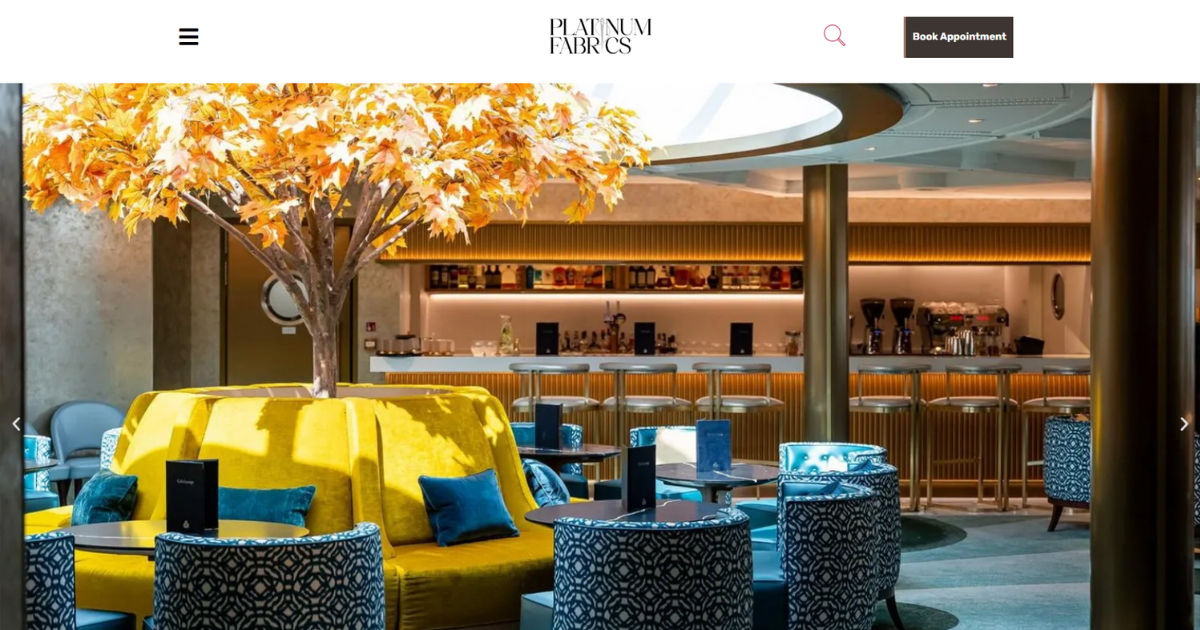
Contract Fabrics UAE are specifically developed for commercial environments such as hotels, offices, hospitals, restaurants, and public buildings.

Unlike regular residential fabrics, these textiles are made to meet strict standards for safety, longevity, and maintenance. From fire resistance to stain protection, they serve both aesthetic and practical purposes.

In this guide, we will explore what contract textiles are, why they are essential in UAE interiors, their types, applications, and how to choose the right materials for different spaces.


Understanding Contract Textiles

Contract textiles are fabrics designed for heavy-duty use in public and commercial interiors. These fabrics are manufactured with advanced technology to ensure they can withstand wear and tear over long periods.

In the UAE, where luxury meets functionality, Contract Fabrics UAE are widely used in both high-end and functional spaces. They are chosen not only for their beauty but also for their performance standards.

Key Features of Contract Textiles

Contract textiles differ from regular fabrics in several important ways:

  • High durability for frequent use
  • Resistance to stains and spills
  • Fire-retardant properties
  • Easy maintenance and cleaning
  • Fade resistance under strong sunlight

Because of the UAE’s hot climate and strong sunlight, Contract Fabrics UAE are often UV-resistant, ensuring colors do not fade easily.


Importance of Contract Fabrics in UAE Interiors

The UAE is known for its luxurious architecture and innovative interior designs. However, with high foot traffic in commercial spaces, durability becomes a top priority.

Contract Fabrics UAE play a crucial role in maintaining both the aesthetic appeal and functionality of interiors.

Why They Are Essential

  • They enhance the lifespan of furniture and décor
  • They reduce maintenance costs
  • They comply with safety regulations
  • They provide comfort without compromising durability

In environments like hotels in Dubai or offices in Abu Dhabi, Contract Fabrics UAE ensure that interiors remain elegant even after years of use.


Types of Contract Fabrics Used in UAE

There are many types of contract textiles used across different industries. Each type serves a specific purpose depending on the environment.

Upholstery Fabrics

Upholstery fabrics are one of the most common types of Contract Fabrics UAE. They are used for sofas, chairs, and other seating furniture.

These fabrics are designed to resist abrasion and are often treated with stain-resistant coatings.

Curtain and Drapery Fabrics

Curtains in commercial spaces need to be both decorative and functional. Contract Fabrics UAE used in drapery often include fire-retardant materials to meet safety standards.

They also help in controlling light and temperature inside buildings.

Wall Covering Fabrics

Fabric wall coverings add texture and elegance to interiors. In UAE interiors, these are commonly used in hotels and luxury spaces.

Contract Fabrics UAE used for walls are durable and easy to clean, making them ideal for high-traffic areas.

Outdoor Fabrics

Outdoor spaces like patios and pool areas require fabrics that can withstand harsh weather conditions.

Contract Fabrics UAE designed for outdoor use are water-resistant, UV-resistant, and mold-resistant.


Applications of Contract Fabrics in UAE Interiors

Contract textiles are used in a wide range of settings across the UAE. Each application requires specific performance features.

Hospitality Industry

Hotels and resorts rely heavily on Contract Fabrics UAE for furniture, curtains, and decorative elements.

These fabrics must handle constant use while maintaining a luxurious appearance.

Healthcare Facilities

Hospitals and clinics require fabrics that are hygienic and easy to clean.

Contract Fabrics UAE used in healthcare are often antimicrobial and resistant to stains.

Office Spaces

In offices, contract textiles are used for seating, partitions, and decorative elements.

They provide comfort while ensuring durability in high-use environments.

Retail and Commercial Spaces

Retail stores use Contract Fabrics UAE to create visually appealing interiors that can withstand heavy foot traffic.


Materials Used in Contract Fabrics UAE

Different materials are used to manufacture contract textiles, each offering unique benefits.

Natural Fibers

Natural fibers like cotton and wool are sometimes used in Contract Fabrics UAE for their comfort and aesthetic appeal.

However, they are often blended with synthetic fibers for added durability.

Synthetic Fibers

Synthetic materials such as polyester, nylon, and acrylic are widely used in Contract Fabrics UAE.

These materials are strong, resistant to wear, and easy to maintain.

Blended Fabrics

Blended fabrics combine natural and synthetic fibers to achieve the best of both worlds.

Contract Fabrics UAE often use blends to enhance performance and comfort.


Performance Standards for Contract Fabrics

Contract textiles must meet strict performance standards to be suitable for commercial use.

Fire Resistance

One of the most important requirements is fire resistance. Contract Fabrics UAE are often treated to meet international fire safety standards.

Abrasion Resistance

Abrasion resistance measures how well a fabric can withstand wear and tear.

High-quality Contract Fabrics UAE are tested for durability using industry standards.

Stain Resistance

Stain resistance is essential for maintaining the appearance of fabrics in busy environments.

Contract Fabrics UAE often include protective coatings to repel spills.


Benefits of Using Contract Fabrics UAE

Choosing contract textiles offers several advantages for interior design projects.

Long-Term Durability

Contract Fabrics UAE are built to last, reducing the need for frequent replacements.

Cost Efficiency

Although they may have a higher initial cost, they save money in the long run due to their durability.

Aesthetic Appeal

These fabrics are available in a wide range of colors, patterns, and textures.

Contract Fabrics UAE allow designers to create visually stunning interiors.

Easy Maintenance

Most contract textiles are easy to clean, making them ideal for commercial spaces.


Design Trends in Contract Fabrics UAE

Interior design trends in the UAE continue to evolve, and contract textiles play a key role.

Sustainable Fabrics

Sustainability is becoming increasingly important.

Many Contract Fabrics UAE are now made from recycled materials or eco-friendly processes.

Bold Patterns and Colors

Designers are experimenting with bold patterns and vibrant colors to create unique spaces.

Contract Fabrics UAE offer a wide variety of design options.

Texture and Layering

Layering different textures adds depth and interest to interiors.

Contract Fabrics UAE are used to create rich, multi-dimensional designs.


How to Choose the Right Contract Fabrics UAE

Selecting the right fabric depends on several factors.

Consider the Environment

Different spaces have different requirements.

For example, healthcare facilities need hygienic fabrics, while hotels focus on luxury.

Evaluate Performance Needs

Consider factors like durability, stain resistance, and fire safety.

Contract Fabrics UAE should meet the specific needs of the space.

Focus on Aesthetics

While performance is important, the fabric should also match the overall design.

Contract Fabrics UAE offer both functionality and style.

Budget Planning

Balance cost with quality.

Investing in high-quality Contract Fabrics UAE can save money over time.


Maintenance and Care of Contract Fabrics

Proper maintenance ensures the longevity of contract textiles.

Regular Cleaning

Routine cleaning helps maintain the appearance of fabrics.

Contract Fabrics UAE are designed to be easy to clean.

Immediate Stain Removal

Quick action can prevent stains from setting.

Most Contract Fabrics UAE have stain-resistant properties.

Professional Maintenance

For deep cleaning, professional services may be required.

This helps extend the life of Contract Fabrics UAE.


Challenges in Using Contract Fabrics UAE

While contract textiles offer many benefits, there are some challenges.

Initial Cost

High-quality Contract Fabrics UAE can be expensive.

However, their durability often justifies the cost.

Limited Availability

Some specialized fabrics may not be readily available.

Choosing the right supplier is important.

Maintenance Requirements

Although easy to clean, some fabrics may require specific care.

Understanding maintenance needs is essential.


Future of Contract Fabrics UAE

The future of contract textiles in the UAE looks promising.

Technological Innovations

New technologies are improving the performance of fabrics.

Contract Fabrics UAE are becoming more durable and versatile.

Sustainability Focus

Eco-friendly materials are gaining popularity.

The demand for sustainable Contract Fabrics UAE is expected to grow.

Smart Fabrics

Smart textiles with advanced features are emerging.

These innovations will shape the future of Contract Fabrics UAE.


Conclusion

Contract textiles are an essential part of modern interior design in the UAE. They combine durability, functionality, and aesthetic appeal to meet the demands of commercial and high-traffic spaces. From hotels and offices to healthcare facilities and retail environments, Contract Fabrics UAE play a vital role in creating interiors that are both beautiful and practical.

These fabrics are specifically engineered to withstand wear and tear while maintaining their appearance. With features like fire resistance, stain protection, and easy maintenance, they offer long-term value for designers and property owners.

As the UAE continues to lead in innovative design and architecture, the demand for high-quality contract textiles will only increase. Trends such as sustainability, smart fabrics, and advanced materials are shaping the future of the industry.

Choosing the right Contract Fabrics UAE requires careful consideration of factors such as performance, environment, and design. By understanding the different types of fabrics and their applications, designers can create spaces that are not only visually appealing but also highly functional.

In summary, Contract Fabrics UAE are more than just materials—they are a key element in building durable, safe, and stylish interiors. Whether you are designing a luxury hotel or a functional office space, investing in the right contract textiles is essential for long-term success.