
Trees are an essential part of Canberra’s landscape. They not only provide shade and beauty but also improve air quality, reduce urban heat, and support local wildlife. However, trees are susceptible to diseases that can affect their health, growth, and longevity. One of the most effective ways to prevent these issues is through tree pruning Canberra.
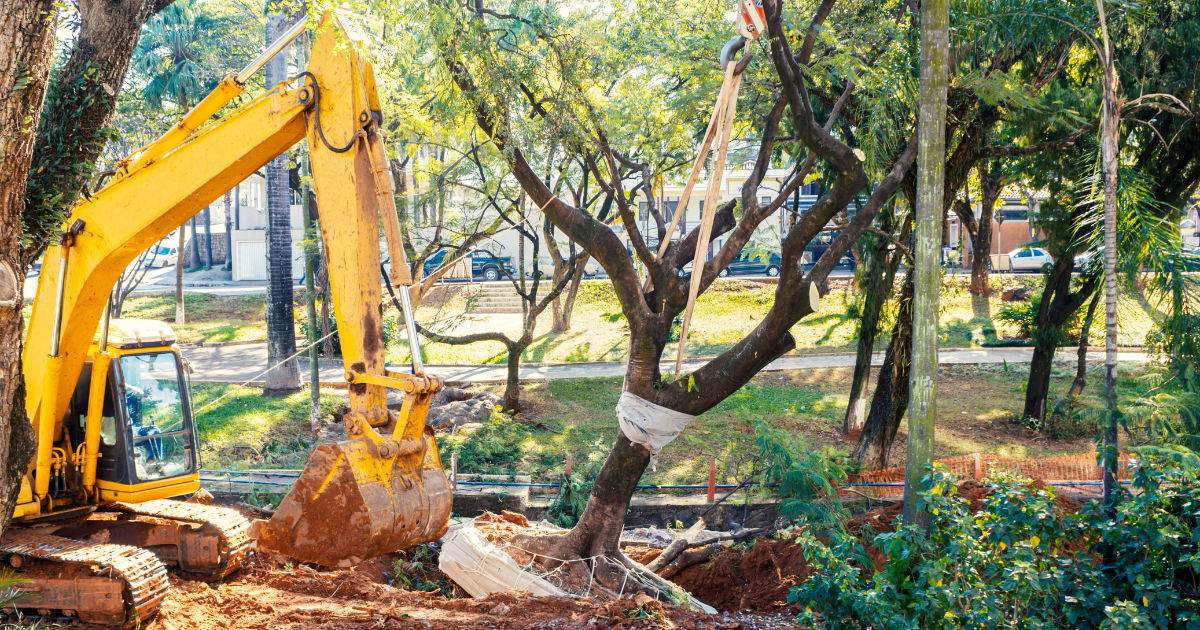
Tree pruning is more than just trimming branches for aesthetics. It is a strategic approach that strengthens trees, removes potential hazards, and prevents the spread of diseases.
This comprehensive guide explores how tree pruning Canberra plays a crucial role in maintaining tree health, the techniques involved, and why it is particularly important in Canberra’s unique environment.
Tree Diseases in Canberra
Canberra’s climate, with its hot summers and cold winters, creates an environment where certain tree diseases can thrive. Common tree diseases include fungal infections, bacterial blights, root rot, and pest infestations.
Fungal infections, such as powdery mildew or leaf spot, often attack weakened or stressed trees. Bacterial blights can cause leaf wilting, branch dieback, and sometimes death if not managed. Root rot, often caused by overwatering or poor soil drainage, attacks the roots, compromising the tree’s stability and nutrient absorption.
Trees in urban areas, including Canberra, face additional stressors such as soil compaction, pollution, and mechanical damage from vehicles or construction. These factors make them more susceptible to diseases, which is why proactive care, like tree pruning Canberra, is essential.
The Importance of Tree Pruning in Disease Prevention
Tree pruning is the selective removal of branches, stems, or roots to improve a tree’s structure, growth, and health. Beyond enhancing aesthetics, pruning plays a pivotal role in disease prevention.
When a tree is properly pruned, diseased or damaged branches are removed. This prevents pathogens from spreading to healthy parts of the tree. Open wounds from pruning, when done correctly, heal faster and are less prone to infection compared to natural breaks caused by storms or decay.
Pruning also increases air circulation and sunlight penetration within the tree canopy. Fungal spores thrive in damp, shaded areas, so better airflow reduces moisture buildup, decreasing the likelihood of fungal infections.
Furthermore, removing crowded or crossing branches reduces competition for nutrients and energy. Trees can then allocate more resources to maintaining strong, healthy growth, which increases their natural disease resistance.
Key Benefits of Tree Pruning in Canberra
Enhances Tree Health
Regular pruning eliminates dead, dying, or diseased branches. This reduces the stress on the tree and prevents the spread of pathogens. Healthy trees are less susceptible to diseases and more resilient against environmental challenges.
Prevents Pest Infestations
Diseased or damaged branches can attract pests such as borers, aphids, and caterpillars. Pruning removes potential nesting or feeding sites for these pests, thereby preventing infestations that could lead to further disease.
Improves Sunlight and Airflow
Dense canopies trap moisture, creating ideal conditions for fungal infections. By pruning strategically, trees receive better sunlight and airflow, limiting the growth of harmful microorganisms.
Strengthens Structural Integrity
Pruning shapes trees to withstand strong winds, snow, and other environmental stresses. This reduces the risk of branches breaking and creating entry points for pathogens.
Encourages Fruit and Flower Production
For fruit-bearing or flowering trees, pruning promotes healthy growth and increases yield. Diseased branches can reduce fruit quality and production, so removing them ensures optimal results.
When to Prune Trees in Canberra
Timing is critical for effective tree pruning Canberra. Pruning at the wrong time can stress the tree, reduce growth, or even invite disease.
Late Winter to Early Spring
This period is ideal for most deciduous trees. Trees are still dormant, which minimizes sap loss and stress. Pathogens are also less active in colder weather, reducing the risk of infection from pruning wounds.
After Disease or Damage
If a tree has branches affected by disease, decay, or storm damage, immediate pruning is necessary. Prompt removal stops the spread of infection and prevents structural failure.
Avoid Wet Seasons
Pruning during wet or humid conditions can increase the risk of fungal infections entering fresh cuts. In Canberra, it’s best to avoid heavy rainfall periods for pruning activities.
Techniques for Effective Tree Pruning
Proper technique is crucial for pruning to prevent disease. Incorrect cuts can cause wounds that are slow to heal and provide entry points for pathogens.
Crown Thinning
Crown thinning removes selected branches to improve light penetration and airflow. This reduces moisture accumulation and helps prevent fungal diseases.
Crown Raising
Crown raising removes lower branches to provide clearance for pedestrians, vehicles, or structures. It also helps in monitoring the tree’s health by making branches more accessible for inspection.
Crown Reduction
Crown reduction shortens overgrown branches to reduce the risk of breakage. This technique helps maintain tree balance and prevents stress-related diseases.
Deadwooding
Deadwooding involves removing dead, dying, or diseased branches. This is essential for preventing the spread of disease and reducing the risk of falling branches.
Proper Cutting Techniques
-
Use clean, sharp tools to minimize damage.
-
Make cuts just outside the branch collar to promote faster healing.
-
Avoid leaving stubs, which can decay and become disease entry points.
Signs Your Trees Need Pruning
Identifying trees that need pruning can prevent disease before it becomes severe. Common signs include:
-
Dead, broken, or hanging branches
-
Crossed or rubbing branches
-
Excessive canopy density
-
Signs of fungal infection, such as mushrooms or unusual growths
-
Leaf discoloration or premature leaf drop
Regular inspections, at least twice a year, help in early detection and timely pruning.
Hiring Professional Tree Pruning Services in Canberra
While minor pruning can be done by homeowners, professional tree pruning Canberra services offer several advantages:
-
Expertise in identifying diseased or weak branches
-
Knowledge of correct pruning techniques to prevent infection
-
Access to specialized equipment for safe and efficient pruning
-
Ability to manage large or hazardous trees without risk
Professional arborists also provide guidance on ongoing tree care, ensuring long-term health and disease prevention.
Tree Species and Pruning Considerations in Canberra
Different tree species have unique pruning needs. Canberra’s common urban trees include eucalyptus, oaks, maples, and flowering cherries.
-
Eucalyptus trees: Sensitive to heavy pruning; focus on removing dead or diseased branches.
-
Oaks: Respond well to structural pruning and thinning.
-
Maples: Benefit from late winter pruning to promote spring growth.
-
Flowering cherries: Prune after flowering to avoid removing buds and flowers.
Understanding species-specific requirements helps prevent stress and disease, making tree pruning Canberra more effective.
Common Mistakes in Tree Pruning
Even with good intentions, improper pruning can harm trees and increase disease risk. Common mistakes include:
-
Topping trees: Cutting the main branches back severely can lead to weak growth and increased disease susceptibility.
-
Pruning too late or too early: Incorrect timing can stress the tree or leave it vulnerable to pathogens.
-
Leaving stubs: Cuts made incorrectly can decay and allow infections to enter.
-
Using unclean tools: Tools contaminated with pathogens can spread disease from one tree to another.
Avoiding these mistakes ensures that pruning strengthens, rather than weakens, your trees.
Seasonal Disease Prevention Through Pruning
Pruning is not a one-time task; it is part of a seasonal maintenance plan. In Canberra:
-
Spring: Remove any winter-damaged or diseased branches.
-
Summer: Focus on thinning the canopy to improve airflow.
-
Autumn: Clean up fallen leaves and prune lightly if needed.
-
Winter: Major structural pruning while trees are dormant.
This schedule aligns with natural tree cycles and reduces the likelihood of disease outbreaks.
Integrating Tree Pruning with Other Care Practices
Pruning works best when combined with other tree care strategies:
-
Mulching: Maintains soil moisture and suppresses pathogens.
-
Proper watering: Avoids root rot caused by overwatering.
-
Soil health: Fertilization and aeration improve overall tree resilience.
-
Pest management: Regular inspection and treatment prevent infestations that can lead to disease.
A holistic approach ensures that trees not only survive but thrive in Canberra’s urban environment.
Conclusion
Tree pruning Canberra is a vital practice for maintaining the health, safety, and aesthetics of urban trees. By removing diseased, dead, or overcrowded branches, pruning prevents the spread of pathogens, improves airflow, strengthens structural integrity, and promotes healthy growth.
In Canberra, where trees face unique climate stresses and urban pressures, regular pruning is especially important. It protects the city’s green spaces, enhances the environment, and ensures that trees continue to provide shade, beauty, and ecological benefits for years to come.
Hiring professional arborists ensures that pruning is done correctly and safely, maximizing its disease-preventing benefits. By combining proper pruning with regular care, soil management, and pest control, tree owners can enjoy healthy, vibrant trees that withstand disease and environmental challenges.
Ultimately, tree pruning is not just a maintenance task—it is an investment in the longevity and vitality of Canberra’s urban forest.