If you’re looking for reliable bag repair Dubai, you’ve come to the right place. Bags are more than just accessories—they carry our essentials, reflect our style, and often hold sentimental value. Over time, even the highest-quality bags can start to sag, lose their shape, or appear worn out.
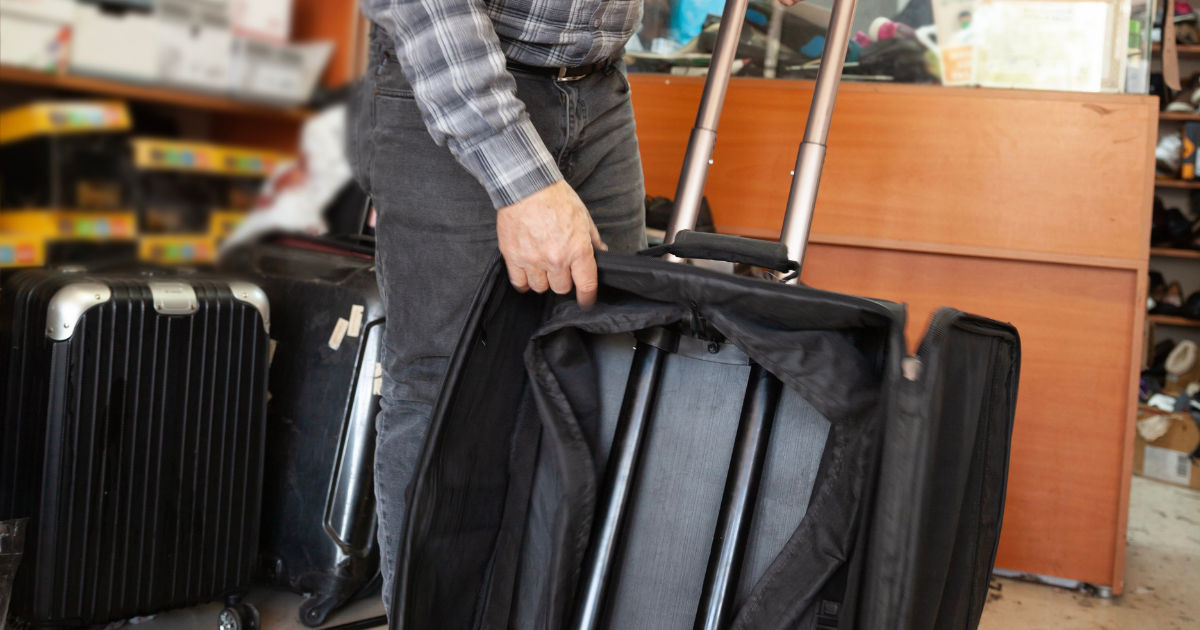
This guide will walk you through the causes of sagging bags, how to restore their shape, and tips to maintain their structure, ensuring your bag looks and feels as good as new.
Understanding why bags sag is the first step in restoring them. Bags can lose their structure for several reasons: material fatigue, overloading, poor storage, or natural wear and tear. Leather, fabric, and synthetic materials all react differently over time.
Leather, for instance, may soften and stretch with regular use, while fabric bags may lose their stiffness and structure. Recognizing these signs early allows you to take corrective action before permanent damage occurs.
Why Bags Lose Their Shape
There are multiple factors contributing to sagging in bags. One of the most common reasons is overloading. Carrying more weight than your bag is designed for stretches the material and weakens the stitching. This can lead to a distorted silhouette that is hard to restore without professional intervention.
Another reason is the type of material. Soft leather or supple fabrics naturally conform to the contents inside them. Over time, repeated use causes these materials to stretch, creating a sagging effect. Even luxury designer bags aren’t immune to this phenomenon.
Environmental factors also play a role. Humidity, heat, and exposure to sunlight can weaken materials and affect their elasticity. Storing a bag in an unstructured manner, such as tossing it into a drawer or stuffing it with random items, can accelerate sagging.
Signs Your Bag Needs Restoration
Knowing when a bag needs restoration can save it from irreversible damage. Here are some signs to watch out for:
-
Visible sagging or drooping: The bag’s sides or bottom lose their original shape and appear slouched.
-
Loose or stretched straps: Handles and shoulder straps no longer hold their form and may even feel stretched or wobbly.
-
Distorted compartments: Zippers and internal compartments may bulge or misalign.
-
Surface creases or wrinkles: Excessive folding or bending can cause permanent creases in leather and fabric.
If you notice any of these signs, it’s time to consider restoration. This can be done at home with careful techniques or by consulting bag repair Dubai specialists for professional assistance.
Methods to Restore Shape in Leather Bags
Leather bags require special care because the material is both durable and sensitive to improper handling. Here’s how to restore leather bags:
-
Cleaning and Conditioning
Before attempting to reshape a leather bag, clean it thoroughly. Use a soft, damp cloth to remove dust and dirt. Avoid harsh chemicals, as they can damage the leather. Once cleaned, apply a leather conditioner. This restores moisture to the leather, making it more pliable and easier to reshape. -
Stuffing the Bag
After conditioning, gently stuff the bag with soft materials such as bubble wrap, tissue paper, or even towels. Avoid newspaper, as the ink can transfer onto the leather. The idea is to support the bag from the inside, encouraging it to regain its original shape. Leave it stuffed for at least 24 to 48 hours for optimal results. -
Heat Treatment (Optional)
For stubborn sagging, mild heat can help restore shape. Use a hairdryer on a low setting, keeping it at a safe distance from the leather. Gently warm the sagging areas while continuously massaging the leather to encourage elasticity. Never overheat, as this can dry out or crack the leather. -
Professional Stitch Reinforcement
Sometimes, sagging occurs due to weakened stitching, especially around straps or seams. If home methods don’t work, a professional bag repair Dubai service can reinforce or replace stitches to restore the bag’s original structure.
Fabric Bags: Tips for Restoration
Fabric bags, such as canvas or nylon, have their own challenges. Unlike leather, they often lack internal stiffness, causing sagging over time. Here’s how to restore fabric bags:
-
Washing and Drying
Start by cleaning the bag according to the manufacturer’s instructions. Most fabric bags can be hand-washed or machine-washed on a gentle cycle. After washing, reshape the bag while it’s damp and let it air dry. Avoid tumble drying, as heat can shrink or damage the fabric. -
Adding Internal Support
For fabric bags, internal support is key. You can create a DIY insert using cardboard, foam, or a plastic bag frame. Place the support inside the bag to help it regain and maintain its shape. -
Reinforcing Seams
Sagging in fabric bags often comes from weak seams. Check the stitching along edges and corners. Minor repairs can be done at home using a needle and strong thread, but for designer or high-value bags, bag repair Dubai services can professionally reinforce seams without altering the exterior appearance.
Preventing Future Sagging
Restoration is only part of the solution. To keep your bags in shape, proper care and handling are essential. Here are some preventive measures:
-
Do Not Overload: Stick to the recommended weight limits for your bag. Overloading strains materials and accelerates sagging.
-
Store Properly: Use dust bags and maintain the bag’s shape with stuffing. Avoid stacking heavy items on top of bags.
-
Regular Cleaning and Conditioning: Keep leather moisturized and fabric bags clean to maintain their integrity.
-
Rotate Your Bags: Give your bags a break. Using the same bag every day can lead to uneven wear. Rotate between different bags to distribute stress.
The Role of Professional Bag Repair Services
While home remedies can work for minor sagging, professional services provide comprehensive solutions. Bag repair Dubai specialists have the tools and expertise to handle all types of restoration:
-
Structural Reinforcement: Experts can add or replace internal supports, ensuring the bag maintains its shape long-term.
-
Material Restoration: Scratches, creases, and worn surfaces can be professionally treated to restore the original look.
-
Stitching and Hardware Repair: Weak stitches and broken hardware are repaired or replaced with precision, preventing future sagging.
Case Study: Transforming a Designer Bag
Consider a luxury leather tote that has lost its shape after years of use. At home, stuffing and conditioning helped slightly, but the sagging persisted around the bottom and corners. By taking it to a bag repair Dubai service, the specialists reinforced the internal base, replaced weakened stitching, and conditioned the leather professionally. The bag not only regained its original structure but also looked refreshed and polished, extending its life by years.
DIY vs. Professional Repair: What to Choose?
The decision depends on the bag’s value, material, and the severity of sagging.
-
DIY: Effective for casual bags, minor sagging, and when professional services are not accessible.
-
Professional Repair: Recommended for high-value, designer, or heavily sagging bags. Professionals ensure lasting results without compromising the bag’s aesthetic or structural integrity.
Additional Tips for Bag Maintenance
-
Avoid Exposure to Extreme Conditions: Heat, humidity, and sunlight can weaken materials and cause sagging.
-
Use Bag Organizers: Inserts can prevent sagging and keep interiors neat.
-
Regular Inspections: Check your bags for early signs of sagging, worn seams, or stretched straps. Early action can save significant repair costs.
Conclusion
Restoring shape and structure in sagging bags is both an art and a science. Whether dealing with leather, fabric, or synthetic materials, understanding the cause of sagging is crucial. Proper cleaning, conditioning, internal support, and careful handling can breathe new life into your favorite bags. For stubborn or high-value pieces, professional bag repair Dubai services offer unmatched expertise, ensuring your bags not only look good but last longer. By combining preventive care with expert restoration, you can enjoy your bags in their best form for years to come.
Your bags are more than accessories—they are investments in style, functionality, and memories. Taking the time to restore and maintain them pays off in extended durability and lasting satisfaction. Whether you attempt gentle home restoration or seek professional help, understanding your bag’s material, construction, and needs is the key to successful maintenance.