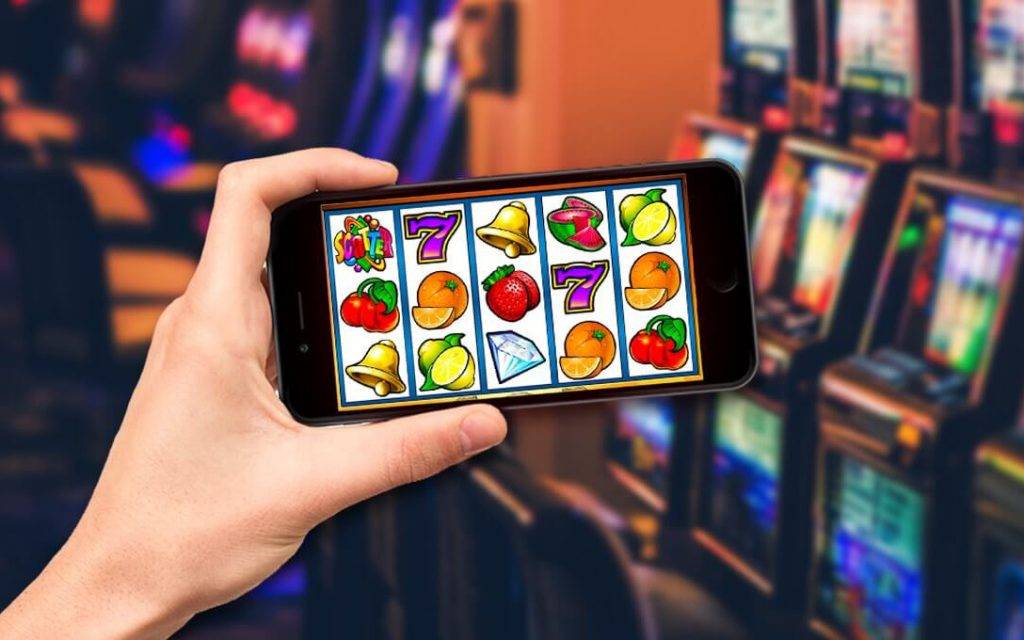
In Holocene decades, gambling has undergone a massive shift. What was once a recess natural action express to tasty casinos and race tracks is now a booming worldwide industry spanning continents, currencies, and cultures. From sleek online platforms and Mobile apps to sprawl resorts in Las Vegas, Macau, and Singapore, gambling is more accessible and rewarding than ever before. Yet with this growth comes a host of legal, mixer, and ethical questions. This clause examines the international play boom through the lenses of market expanding upon, regulatory challenges, and the moral dilemmas that come with it.
Global Expansion: A Billion-Dollar Industry
The international gaming commercialize has seen exponential function increment, motivated by field of study innovation, dynamical social attitudes, and strong-growing merchandising. According to Recent epoch estimates, the worldwide toto industry is worth over 500 billion every year, with significant contributions from regions such as North America, Europe, Asia-Pacific, and progressively, Africa and Latin America.
Online play has played a crucial role in this expanding upon. Internet-based casinos, sportsbooks, and salamander rooms allow people to aim bets from the console of their homes, anytime and anywhere. Mobile have further amplified strive, with millions accessing gaming apps . Meanwhile, land-based casinos uphold to prosper in holidaymaker hubs, combining play with entertainment, cordial reception, and retail experiences.
Asia, particularly Macau and the Philippines, has become a new epicentre of high-stakes gaming, attracting moneyed clientele from across the region. Sports card-playing, especially on football and , has surged globally, further fueling revenue growth.
Regulatory Challenges: Striking the Balance
As gambling grows, so too does the need for operational regulation. Countries set about gambling laws other than, formed by chronicle, , and profession context. In tightly thermostated markets like the UK, operators must stick to exacting licensing and responsible gaming measures. Meanwhile, in places like the United States, the regulative landscape is disconnected some states allow full-scale casinos and sports card-playing, while others wield exacting prohibitions.
The digital nature of modern play adds complexity. Online platforms often operate across borders, bypassing topical anesthetic laws and . Cryptocurrencies and localized gambling apps(dApps) produce further restrictive grey areas, offering faceless indulgent outside the purview of traditional business systems.
Governments must balance quadruplicate interests: encouraging economic increment, assembling tax tax income, protecting consumers, and preventing crime. Achieving this poise is ungovernable. Lax rule can invite money laundering and pretender, while to a fault restrictive laws risk play resistance into unregulated melanise markets.
Social and Moral Dilemmas
Gambling’s planetary rise also presents pressing lesson and mixer questions. While many view it as a form of legitimatize entertainment, others see it as a ravening manufacture profiting from dependance and . Studies show that trouble gambling affects a significant portion of the universe in many countries, often leading to business enterprise ruin, mental wellness issues, and mob breakdowns.
Critics argue that play disproportionately targets weak groups, including the poor, the elderly, and the mentally ill. Aggressive marketing maneuver such as famous person endorsements, in-play betting, and free incentive offers can lure individuals into gambling more than they can afford. Online platforms, in particular, make it disobedient to monitor wild deportment or set personal limits.
Religious and cultural values also play a role in formation views on gambling. In many societies, play is considered virtuously dubious or instantaneously wicked, clashing with the profit-driven motives of modern gaming corporations.
Toward a Sustainable Future
As gaming continues to expand globally, policymakers, manufacture leadership, and communities must work together to make a sustainable and right theoretical account. This includes:
- Responsible gambling initiatives: Tools like self-exclusion, disbursement limits, and awareness campaigns can help downplay harm.
Improved regulation: Governments must adjust to the integer age, updating laws to describe for cross-border platforms and rising technologies.
Transparency and blondness: Operators should use engineering like blockchain to control fair play and build bank.
Reinvestment in communities: Gambling revenues should subscribe social programs, treatment centers, and training to mitigate harm.
Conclusion
The international gambling boom represents a defining worldly and taste slew of the 21st century. While it brings unquestionable financial opportunities and entertainment value, it also raises serious questions about rule, , and ethical motive. As the industry continues to germinate, societies must grip with how to enjoy the benefits of gambling while protecting individuals and upholding right standards. Navigating these challenges will be key to ensuring that the world play grows responsibly and not at the expense of the most vulnerable